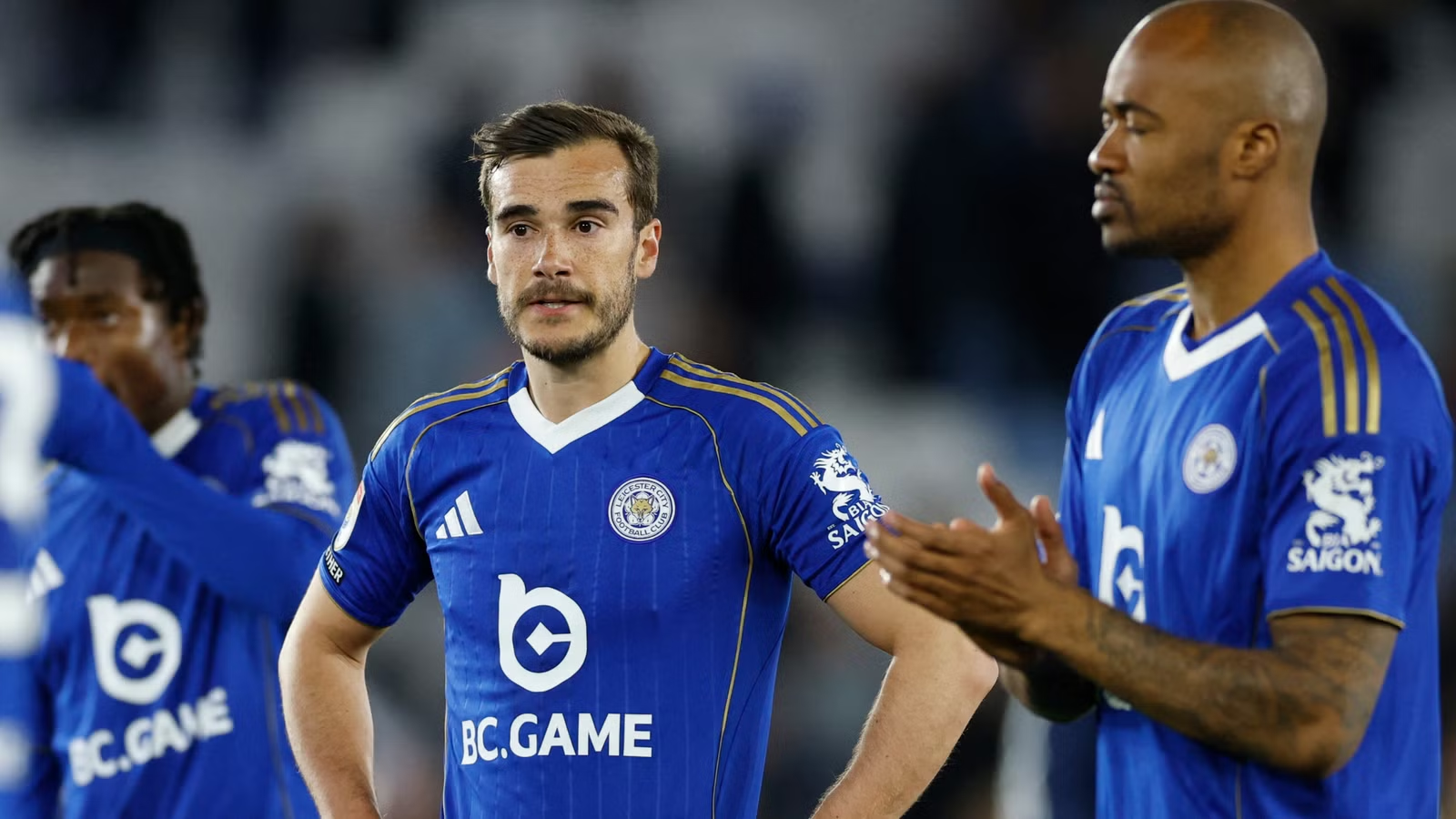
Leicester City have had almost a week to process their relegation from the Championship to League One, joining Sheffield Wednesday and Oxford United in the third tier.
Relegation from Championship to League One is never taken lightly, but for some clubs, it holds significantly more weight than others. Leicester City must be considered in this regard, given that they were playing Premier League football just a season ago and, like Wolverhampton Wanderers and Luton Town, were relegated from the top division in consecutive seasons.
Since the EFL’s rebranding in 2004, the second tier has emerged as one of Europe’s most competitive divisions. That is no excuse for Leicester, but it is teeming with former Premier League teams, historic institutions, and clubs with goals much beyond survival. As a result, when some teams slip to the third division, it causes ripples across the EFL.
As with the Foxes this season, it has come as a complete surprise. Financial mismanagement, bad recruitment, instability off the pitch, or just a lack of identity on the field have all led to other clubs suffering the same fate. We took a look at some of the largest clubs that suffered the same fate.
The most unexpected relegations from the Championship to League One
Here are 12 of the most well-known names in English football who have appeared in League One since its start. It contains previous Premier League champions, FA Cup winners, and strong European contenders. It indicates that the list is packed with clubs that should never have made it to that level.
The clubs in this list highlight the Championship’s immense scale and unpredictable nature. Whatever the history, fandom, or expectations, the prospect of relegation remains big. Here are the 12 biggest clubs to be relegated since 2004—and why their relegations felt so momentous.
Birmingham City

Birmingham City’s relegation in 2024 felt long overdue, but it didn’t make it any less important. Birmingham, while having Premier League experience and winning the League Cup in 2011, had spent years struggling in the bottom of the Championship. Despite enormous investment and desire, they were unable to reverse their downward trend. Their relegation to League One served as a sobering reminder that history alone cannot ensure safety in such a tough division, despite the fact that they ascended in style the first time around in 2025.
Bolton Wanderers
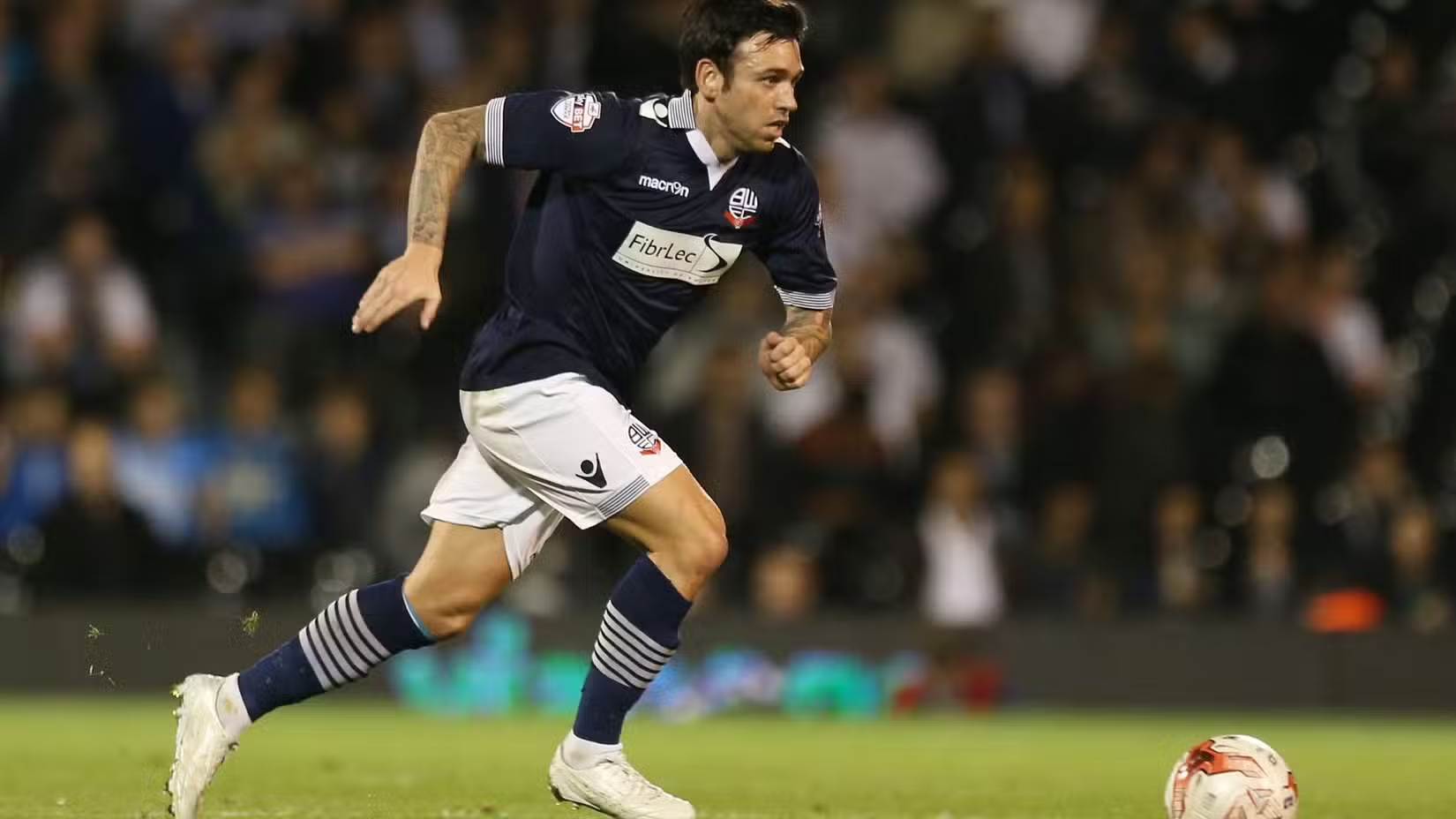
Bolton Wanderers’ relegation in 2016 marked the conclusion of a long descent from their Premier League glory days under Sam Allardyce. Bolton’s demise was undeniable, despite the fact that many had predicted it after circling the drain for so long. Financial issues and poor performance contributed to their decline. League One was a significant step down for a club of Bolton’s status, and, perhaps more astonishingly, they are still not in the second division.
Portsmouth
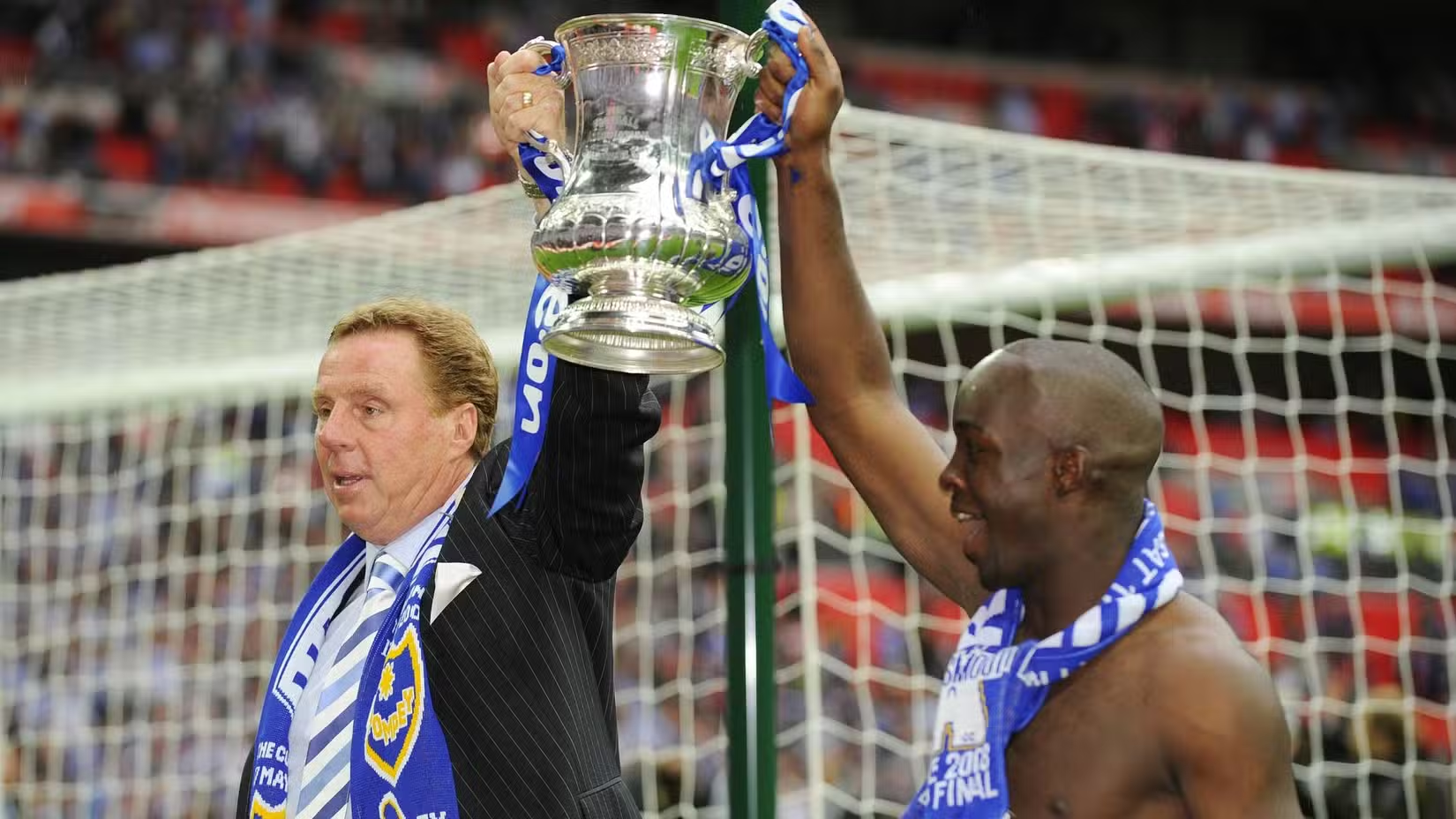
In really stunning fashion, Portsmouth’s slide to League One in 2012 came only four years after winning the FA Cup. Financial instability and administration sent the team into freefall, resulting in one of the most spectacular relegations in EFL history. Pompey’s recent success made their slide even more stark. It provided as a sharp reminder of how rapidly fortunes can shift in sports, especially after being relegated from the Premier League only two years previously.
Derby County

Derby County’s relegation in 2022 was undoubtedly influenced by financial concerns and a points deduction, but their stature meant that it remained one of the season’s most important stories. Derby, a founding member of the Football League and former top-flight champion, is a club with a rich history. Their relegation to League One exposed both on-field and off-field issues. They are on the right track today, but their two years in the third division may have taught other clubs a thing or two.
Wolverhampton Wanderers
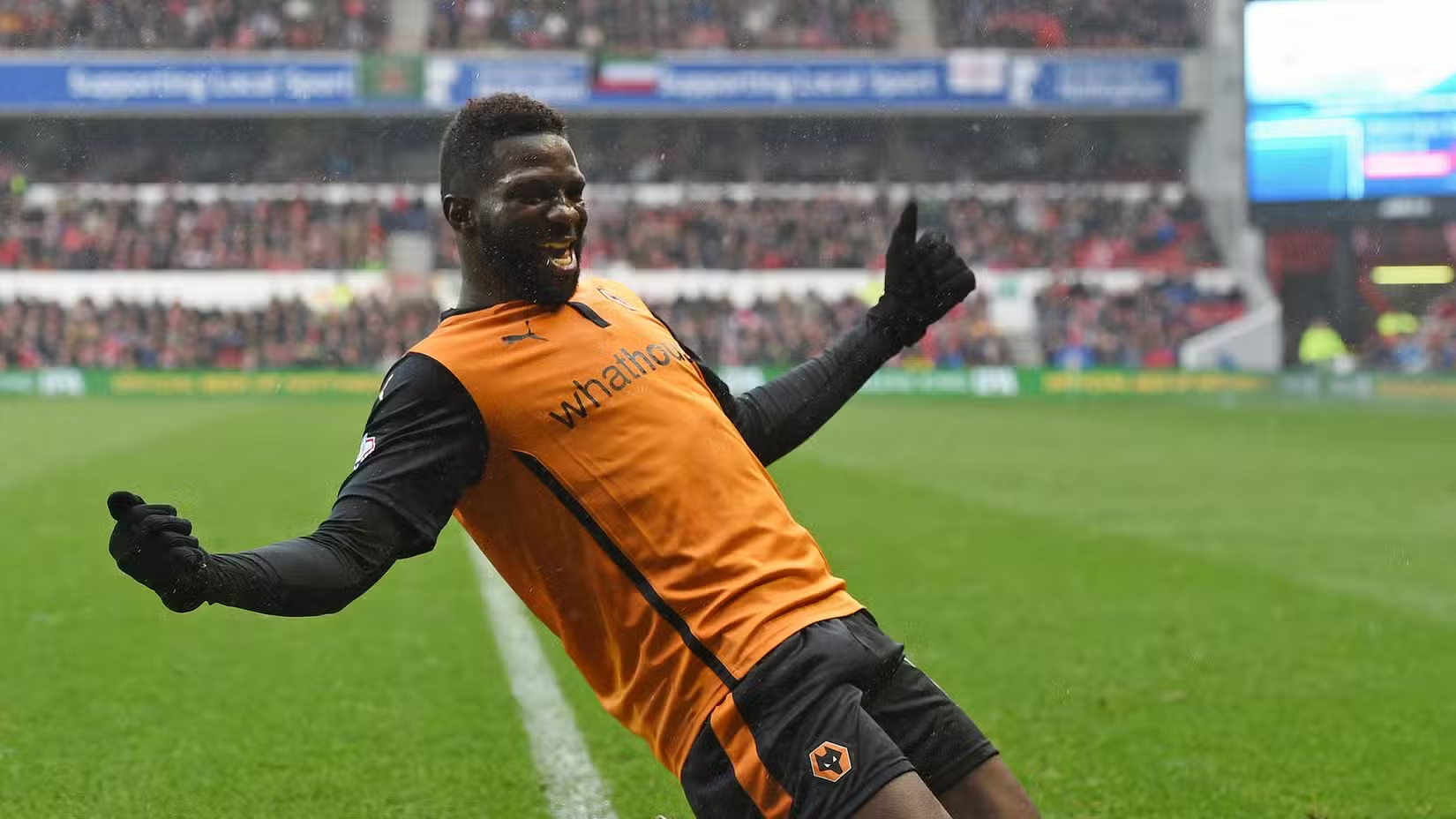
As previously indicated, Wolves’ relegation to League One in 2013 coincided with a catastrophic double drop from the Premier League. It was a period of turmoil and poor decision-making that saw them fall through the ranks. With Wolves’ history and wealth, being in the third tier felt entirely out of place. Their eventual revival under new ownership highlighted how far they had fallen during that tough period.
Sheffield United

As previously indicated, Wolves’ relegation to League One in 2013 coincided with a catastrophic double drop from the Premier League. It was a period of turmoil and poor decision-making that saw them fall through the ranks. With Wolves’ history and wealth, being in the third tier felt entirely out of place. Their eventual revival under new ownership highlighted how far they had fallen during that tough period.
Sheffield United
Sheffield United’s relegation in 2011 was another example of a major team slipping through the cracks. The Blades had been in the Premier League only a few years before and were anticipated to compete in the Championship. Instead, a terrible season saw them descend to League One, highlighting the division’s unpredictability. Given their stature and backing, it was a stunning decline, but they recovered successfully under Chris Wilder.
Sheffield Wednesday

The Sheffield clubs sat side-by-side, although Sheffield Wednesday’s relegation in 2021 was exacerbated by a points deduction. However, it did not conceal the club’s core difficulties. With one of the largest fan bases in the country and a rich history, their decline was severe. They had spent much of the previous decade flirting with promotion to the Premier League, so the plummet was all the more devastating. It was a clear example of how quickly fortunes can shift, and this year serves as another reminder of that.
Ipswich Town

Ipswich Town’s relegation in 2019 marked the end of a 17-year run in the Championship, showing the club’s slow but steady deterioration. Ipswich, a team with a proud past that included a UEFA Cup victory, was long regarded as a sleeping giant. Their relegation to League One represented years of underinvestment and stagnation. It was a sobering moment for supporters, but the subsequent trip from the third division to the Premier League was well worth the pain of falling so far.
Southampton
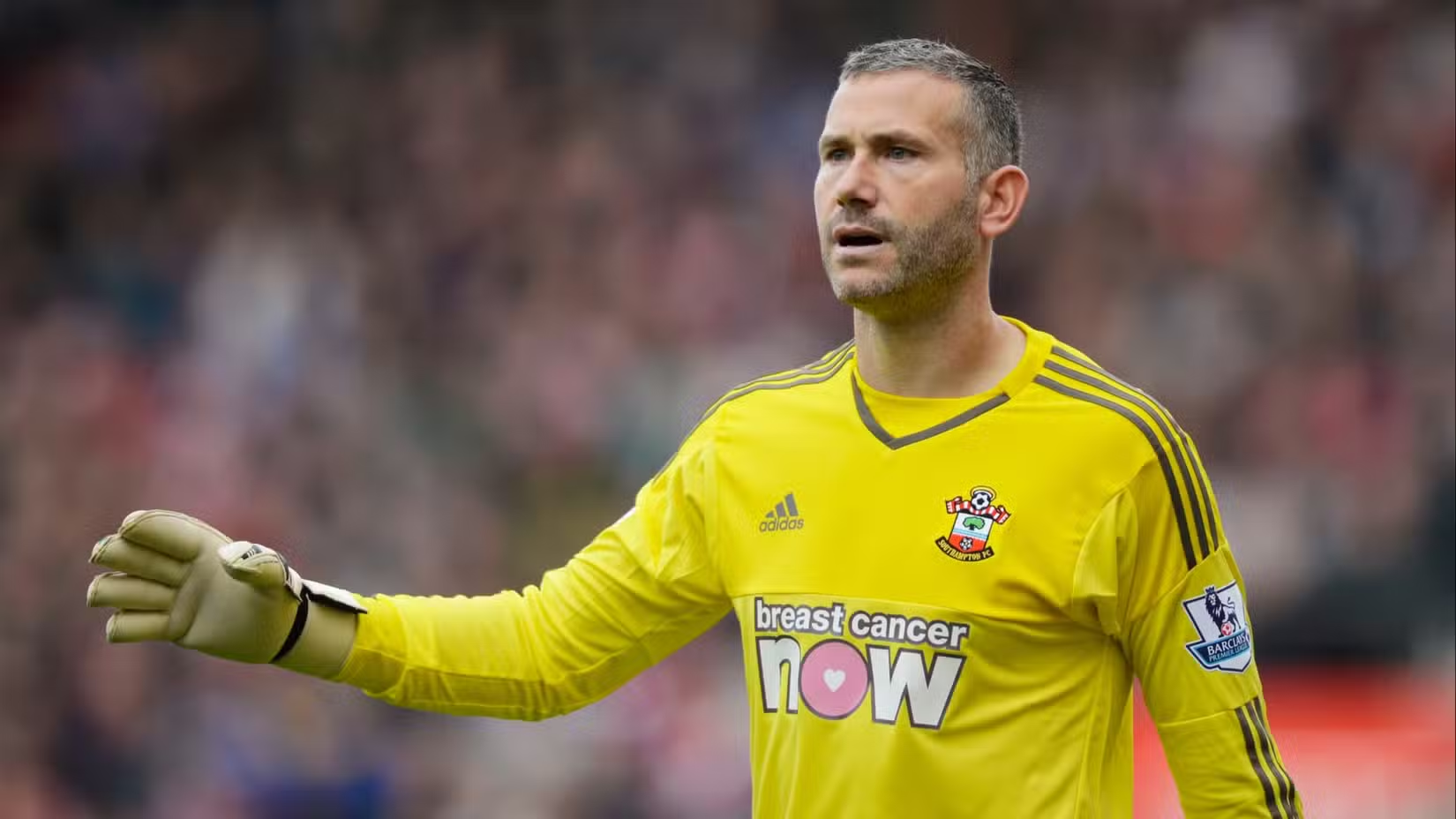
Southampton’s relegation to League One in 2009 came amid serious financial problems, including administration and a points deduction. It was a significant setback for a team known for its academy and constant top-tier presence in prior decades. However, their time in the third tier proved to be a watershed moment. With a clear structure and long-term strategy, Southampton rebuilt impressively and advanced to the Premier League. Despite this, their relegation remains one of the most significant of the modern era, given their status at the time.
Nottingham Forest
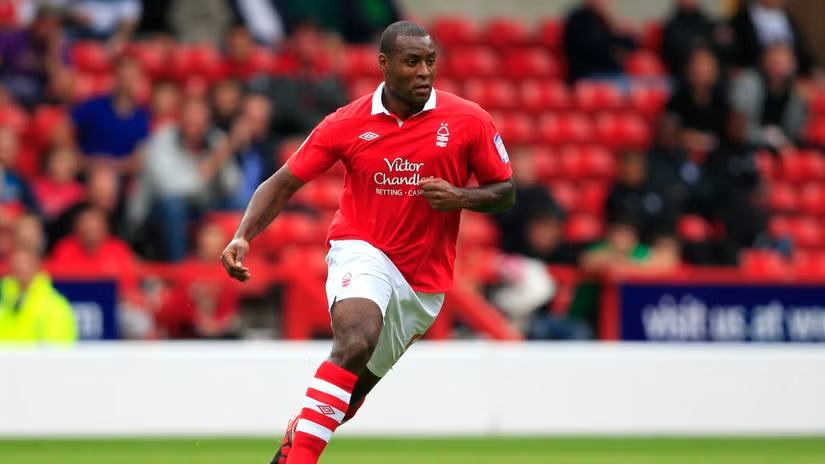
Nottingham Forest, a two-time European Cup winner, were relegated to League One in 2005, which was practically unimaginable. Few clubs in world football can boast such heritage, which makes their existence in the third tier all the more surprising, and explains why they are ranked third here. Forest’s problems arose from years of deterioration following their Premier League withdrawal. Poor judgments and a lack of direction caused them to wander, culminating in relegation. They struggled to recover, demonstrating how cruel League One can be.
Leicester City
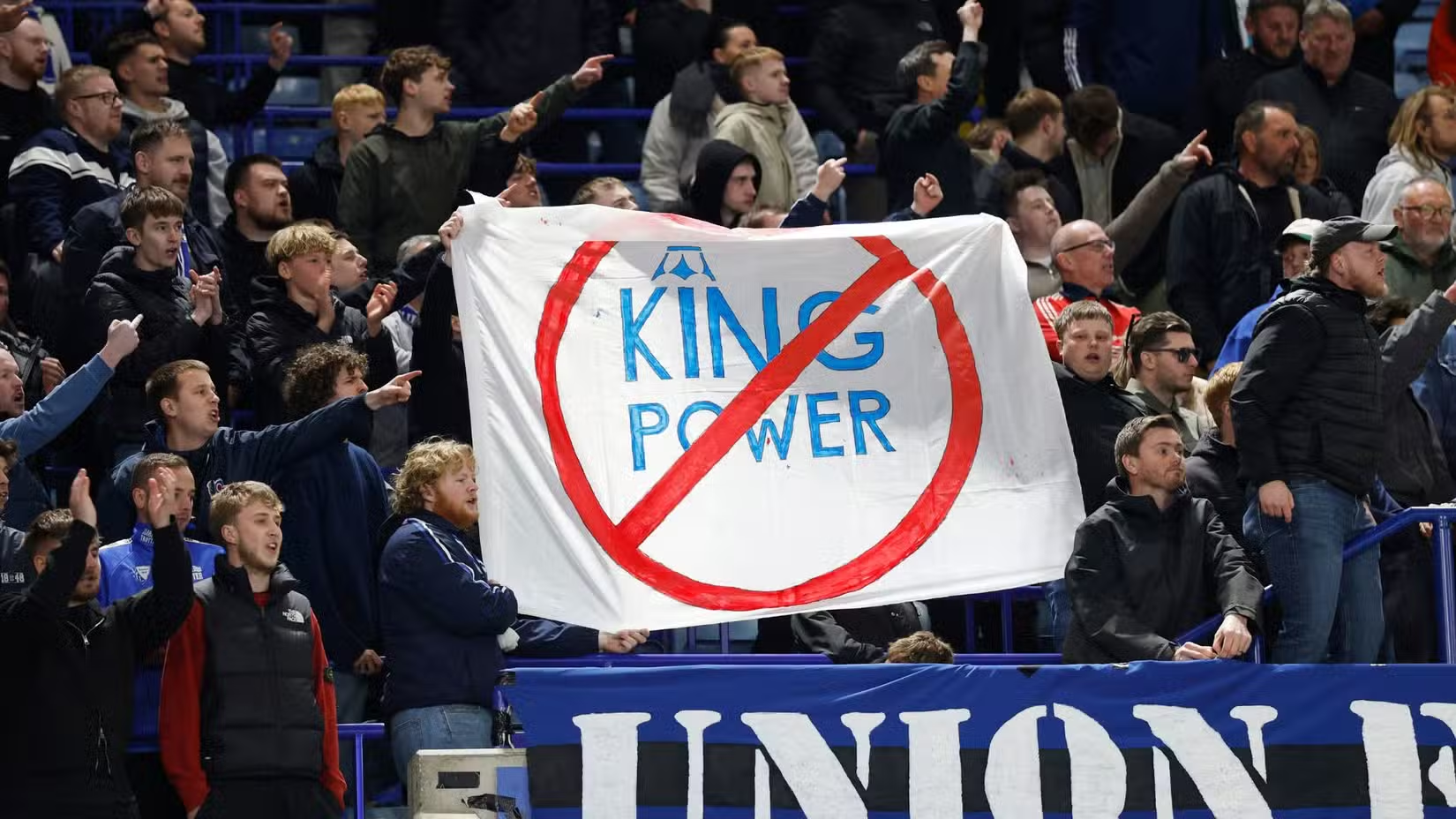
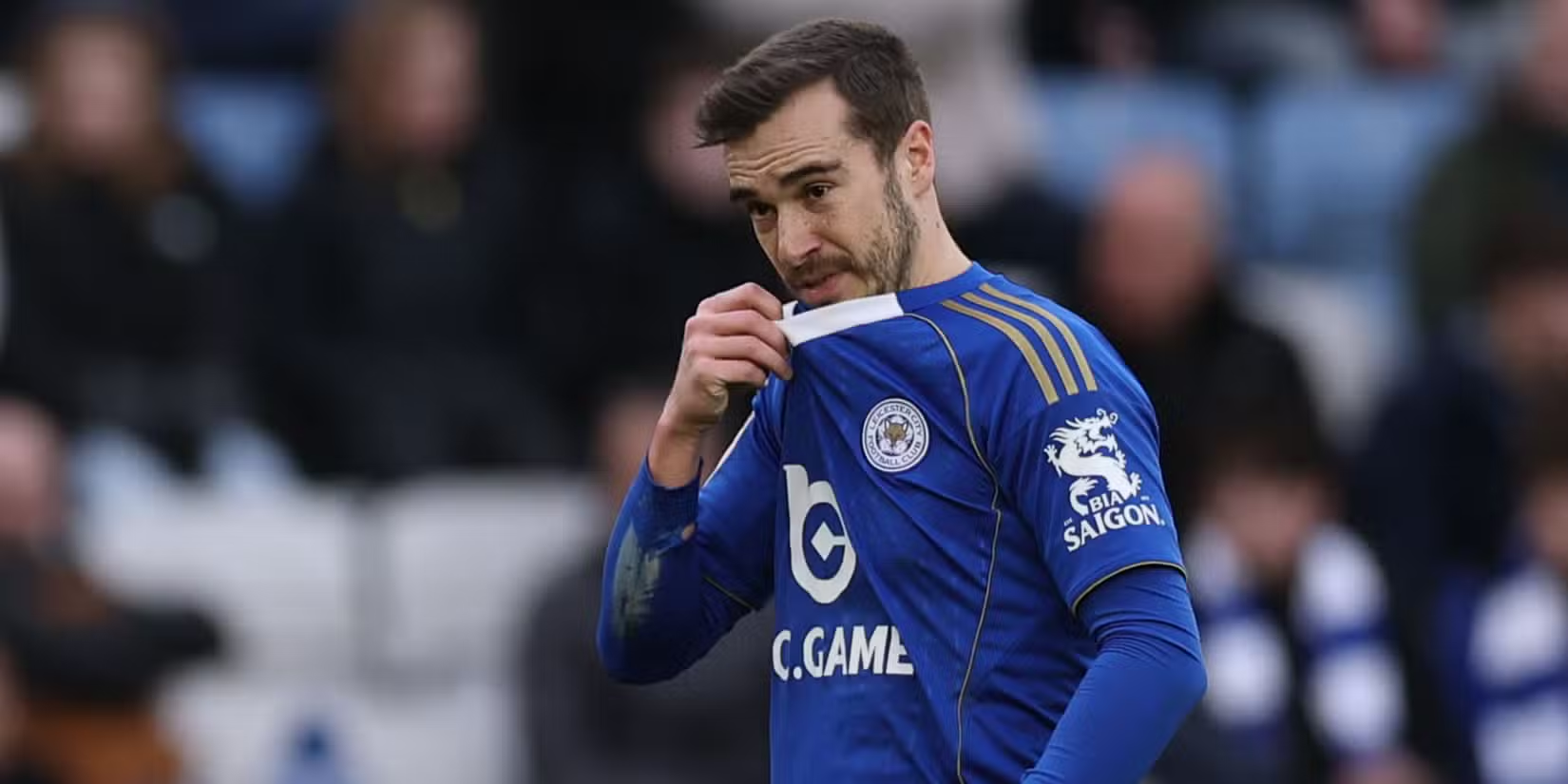
If Leicester’s relegation in 2008 was a shock that occurred at a tumultuous era preceding their incredible ascent to Premier League champions in 2016, 2026 is even more surprising. Even with the points deducted, it is a dismal underachievement for a team that has accomplished so much in the last decade. Leicester were expected to compete at the top of the Championship, not collapse out of it. Their decline demonstrates how instability and inconsistency can derail gaming titans. It is one of the most significant ever and rightfully ranks second.
Leeds United
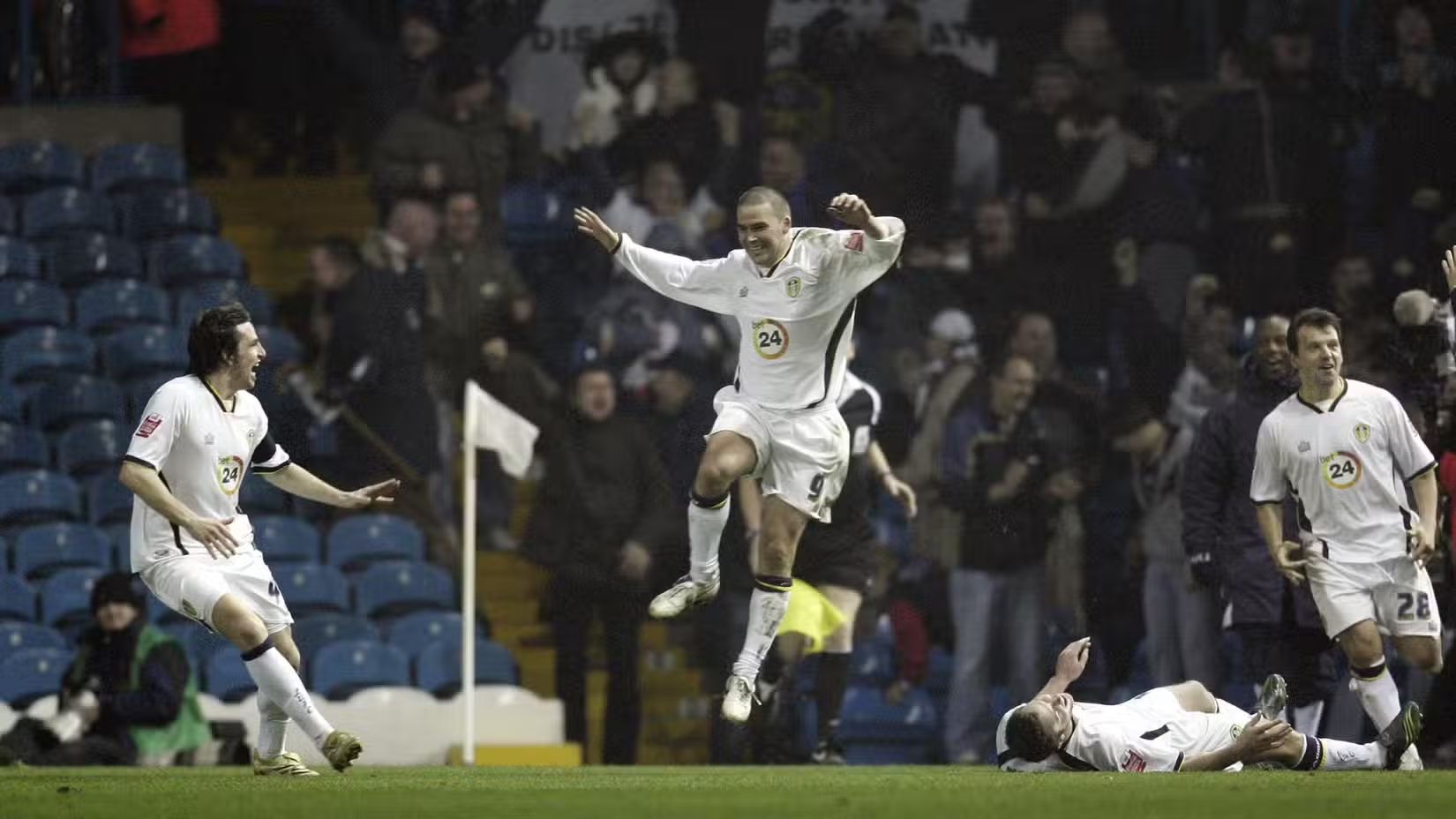
It couldn’t be anyone else, as Leeds United’s relegation to League One in 2007 remains one of contemporary football’s most visible declines. They were in the Champions League semi-finals only a few years ago, making their drop to the third division all the more shocking. Financial collapse had a significant impact, with administration and a points deduction sealing their demise. League One has always felt like a stopgap for a club the size, support, and history of Leeds United. Even in the third tier, they faced Premier League-level expectations, which added to the burden. Despite Leicester’s performance this season, Leeds remains the most startling.
xz