
The EFL Championship continues to draw large crowds to matches, but here are the 12 teams in the bottom half of the division’s attendance league table.
With an average home attendance of 22,144 during the 2025-26 season, crowds in the EFL Championship increased by 140 from the 2024-25 season. This may not be the type of growth that the EFL had hoped for, but with ticket prices as high as they are and a cost of living crisis raging, being able to attract an average home attendance of well over 20,000 in the second tier demonstrates that the health of the game in England is very much reflected in its depth.
Champions Coventry City lead the Championship attendance league standings, having been the only team to draw more than 30,000 fans to their home games. But today’s attention is on the bottom half of the league table. These are the twelve clubs in the bottom half of the Championship’s attendance league table.
It’s worth noting that the attendance figures announced for matches rarely reflect the amount of people actually inside a stadium on any particular Saturday. The provided data assume that all season ticket holders will be present, even if they are not.
12 Sheffield Wednesday – 23,199
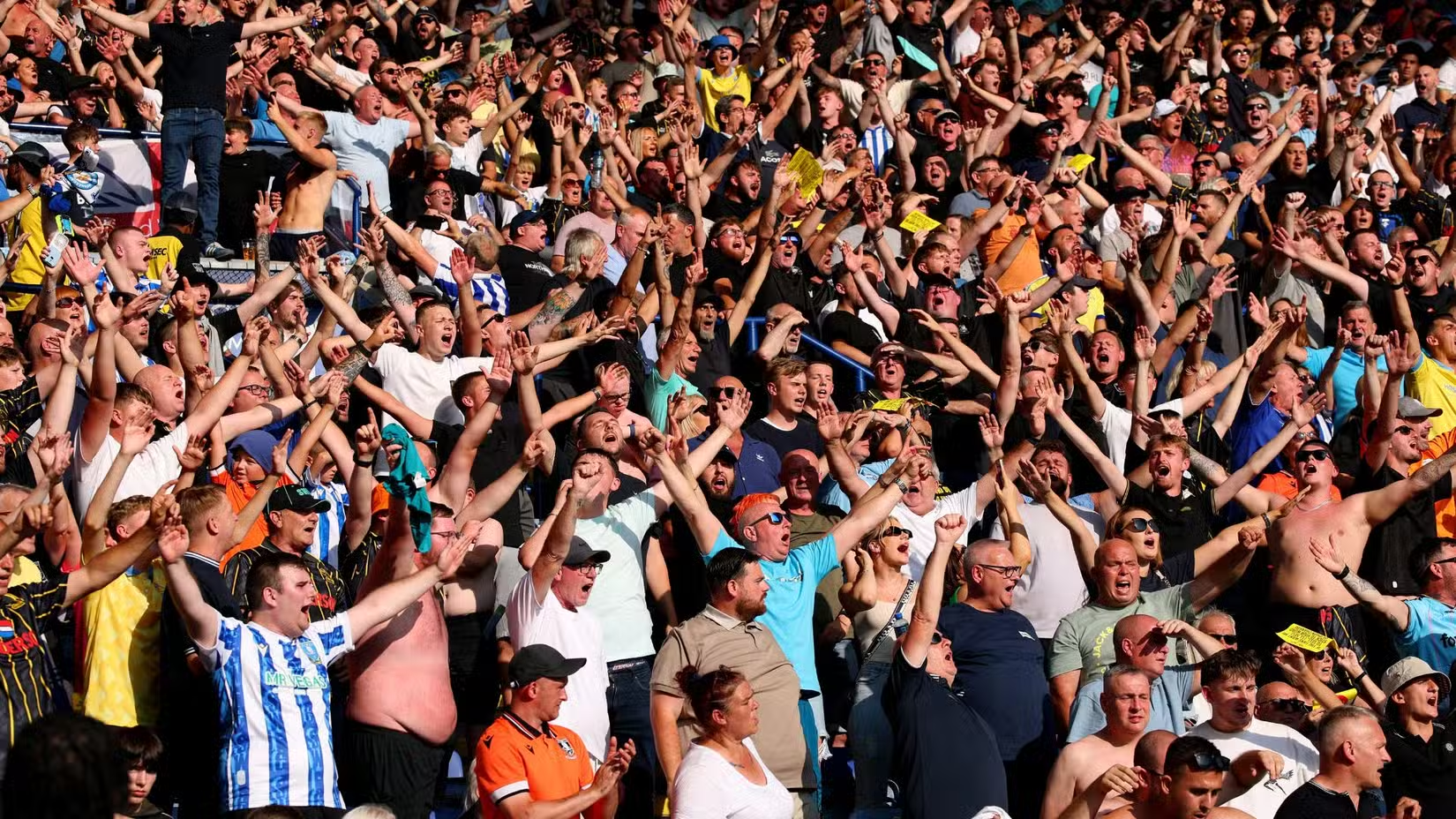
Given their season on the pitch, it tells something about Sheffield Wednesday fans’ loyalty that Hillsborough was not empty for nearly every home game in 2025-26. The Owls did not win a single home league match until the final day of the regular season, finishing 51 points behind safety and were relegated before the end of February.
Their average home attendance for 2025-26 was 3,500 lower than the previous season, but given the widespread dissatisfaction with Dejphon Chansiri’s regime at the start of the season and the team’s subsequent performance on the pitch, it is surprising that they did not fall by more than they did, and a 33,750 full house for that final weekend win against West Bromwich Albion demonstrated the club’s potential if properly managed.
11 Hull City – 21,400

Hull City have been the Championship’s surprise team this season. After narrowly avoiding relegation on the final weekend of the 2024-25 season, the Tigers soared all the way into the play-off places under Sergej Jakirovic, and they have now secured a place in the play-off final at Wembley Stadium after a sensational 2-0 win at Millwall in the second leg of their semi-final.
Surprisingly, there hasn’t been much of an increase over the previous season. Hull averaged 21,323 in the 2024-25 season, representing a tiny 77-person rise over the 2025-26 season.
10 Portsmouth – 20,120
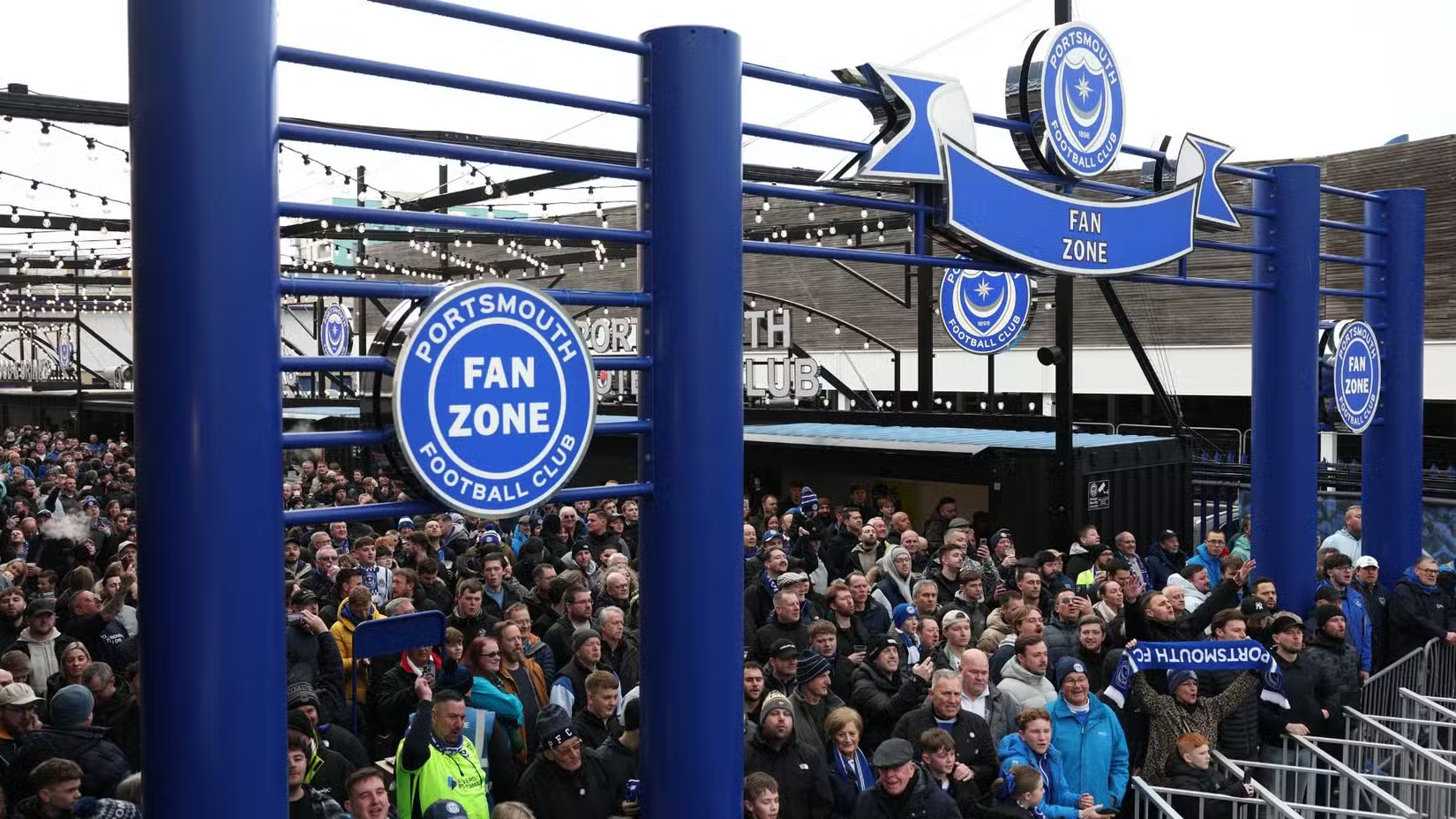
Portsmouth battled throughout the 2025-26 season but a strong finish propelled them to 18th position in the Championship and safety. Crowds dipped from an average of 20,263 the previous season, yet Fratton Park, which has a capacity of only 20,688, remained nearly full for every match.
9 Charlton Athletic – 20,066

Following promotion to the Championship via the play-offs at the end of the 2024-25 season, Charlton Athletic’s goal for 2025-26 was to stay at this level, and they succeeded, finishing 19th in the table. The promotion was reflected in their attendance figures. The average home attendance of 20,066 was a third higher than the previous season, when an average of 15,255 saw them promoted from League One.
8 Watford – 18,613

The Hornets had another dismal Championship season, finishing two places lower than last season in 16th place in the table, following a catastrophic run in which they won only one of their final 11 games. Attendance declined from an average of 19,379 the previous season, reflecting persistent displeasure with the way the Pozzos operate the team.
7Millwall – 17,135
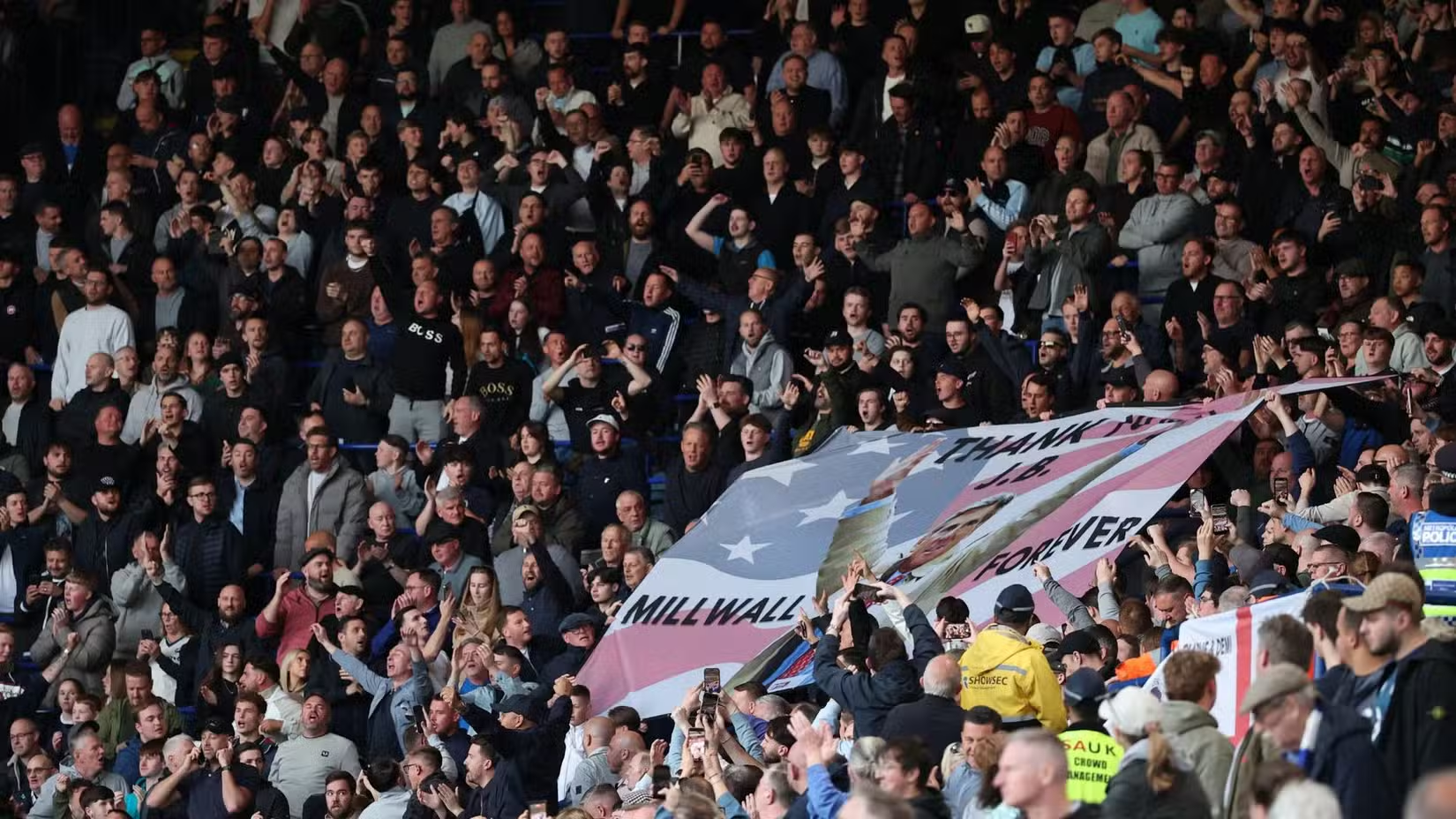
Millwall’s defeat in the play-off semi-finals to Hull City should not detract from their outstanding season. They finished third in the table and remained in contention for an automatic promotion spot until the final day of the regular season, with attendance up from the previous year. They increased by more than 10% over the previous season’s 15,497, demonstrating manager Alex Neil’s excellent performance throughout the season.
6 Preston North End – 16,813
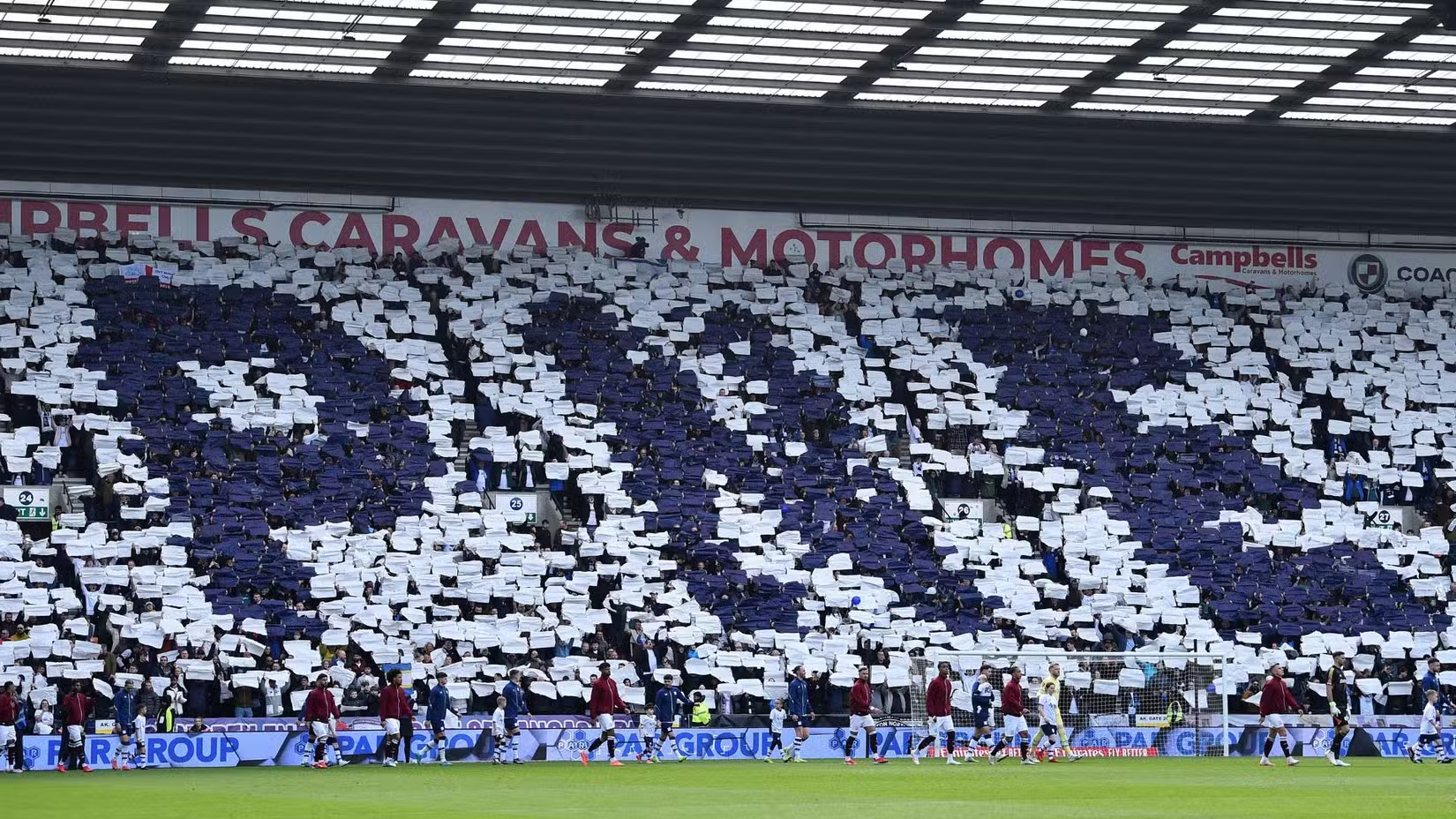
Preston North End’s 11th consecutive season in the Championship came in 2025-26, but the team still appears to be unable to make a significant push for promotion. 16th position in the table was a better finish than 20th at the conclusion of 2024-25, although this season saw a 300-point improvement over the 16,505 they managed the previous season.
5Swansea City – 16,706
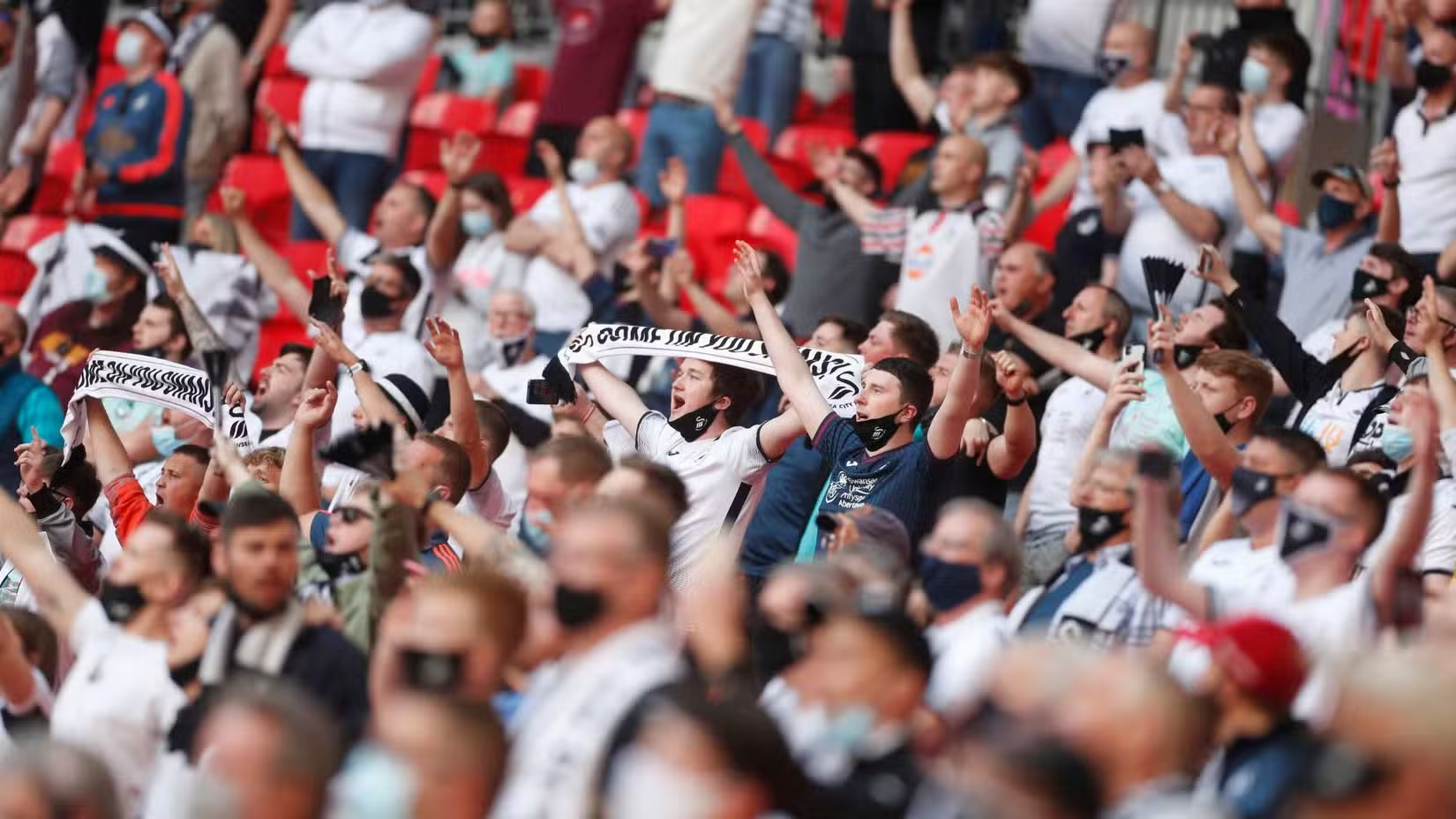
Swansea City is in a similar situation to Preston North End, with long-term inmates who haven’t looked like they’ll challenge for promotion in recent years. They placed 11th in the table last season and 11th this season, although unlike Preston, their average attendance of 16,706 was up over 8% from previous season’s average of 15,499.
4 Queens Park Rangers – 16,672

Queens Park Rangers completed a triple of long-term mid-table Championship clubs, finishing 11th for the 11th straight season. But, like Swansea, QPR finished in the same final place as last season and had a slight increase in average home attendance this season, from 15,826 the previous season. Loftus Road’s relatively small capacity of 18,360 seats limits the club’s ability to grow its attendance in the future.
3 Blackburn Rovers – 14,993

Blackburn Rovers was another club that saw a drop in attendance this season, from 16,141 last season to 14,993. That is explained by the fact that the team finished 20th in the league table, down from 7th last season. As has been the case for many years, there has been displeasure with the club’s management this season, but the most pressing issue for Rovers is the amount of vacant seats at Ewood Park. The drop in attendance this season meant that, with a capacity of 31,367, the proportion of occupied seats fell below 50%, the division’s lowest.
2O xford United – 11,123

Oxford’s relegation this season had little effect on attendance at The Kassam Stadium, which dropped by a few hundred from 11,358 previous season to 11,123 this season. Oxford United’s first Championship appearance two years ago was quite an accomplishment, and with final planning permission for their new, 16,000-capacity stadium near Kidlington granted in February, they’ll soon be on their way from their much-unloved home, into which they moved in 2001.
1 Wrexham – 10,664
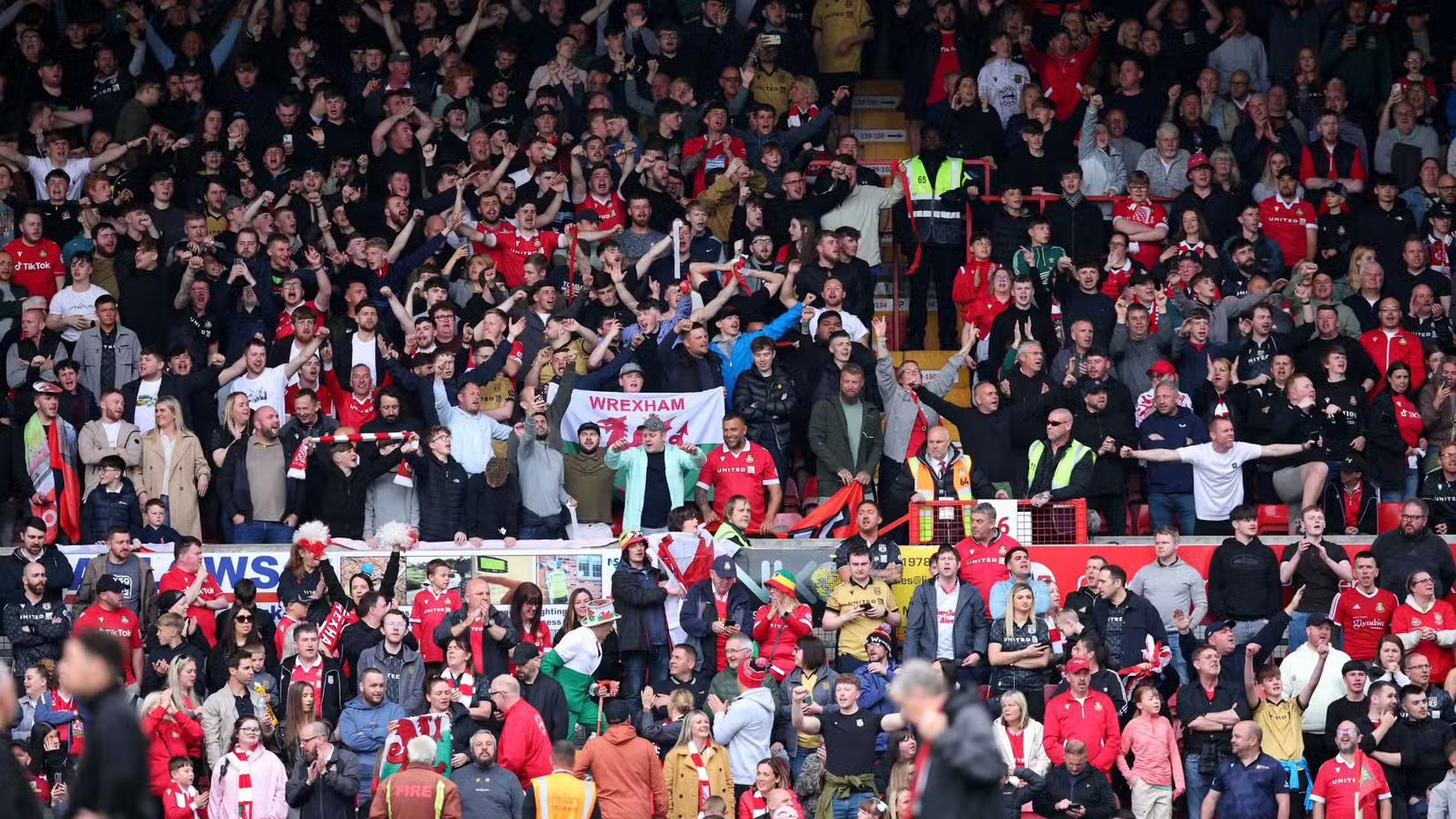
Wrexham’s average home attendance of 10,664 in their first season back at this level since 1982 was down by more than 2,000 from the previous season’s average of 12,781, however this is due to construction work around the Racecourse Ground, which has limited capacity. It is estimated that once the work is completed, the capacity would increase to 18,000. After narrowly missing out on a play-off spot at the end of this season by finishing seventh, questions may be raised regarding whether this increase is sufficient.
xz