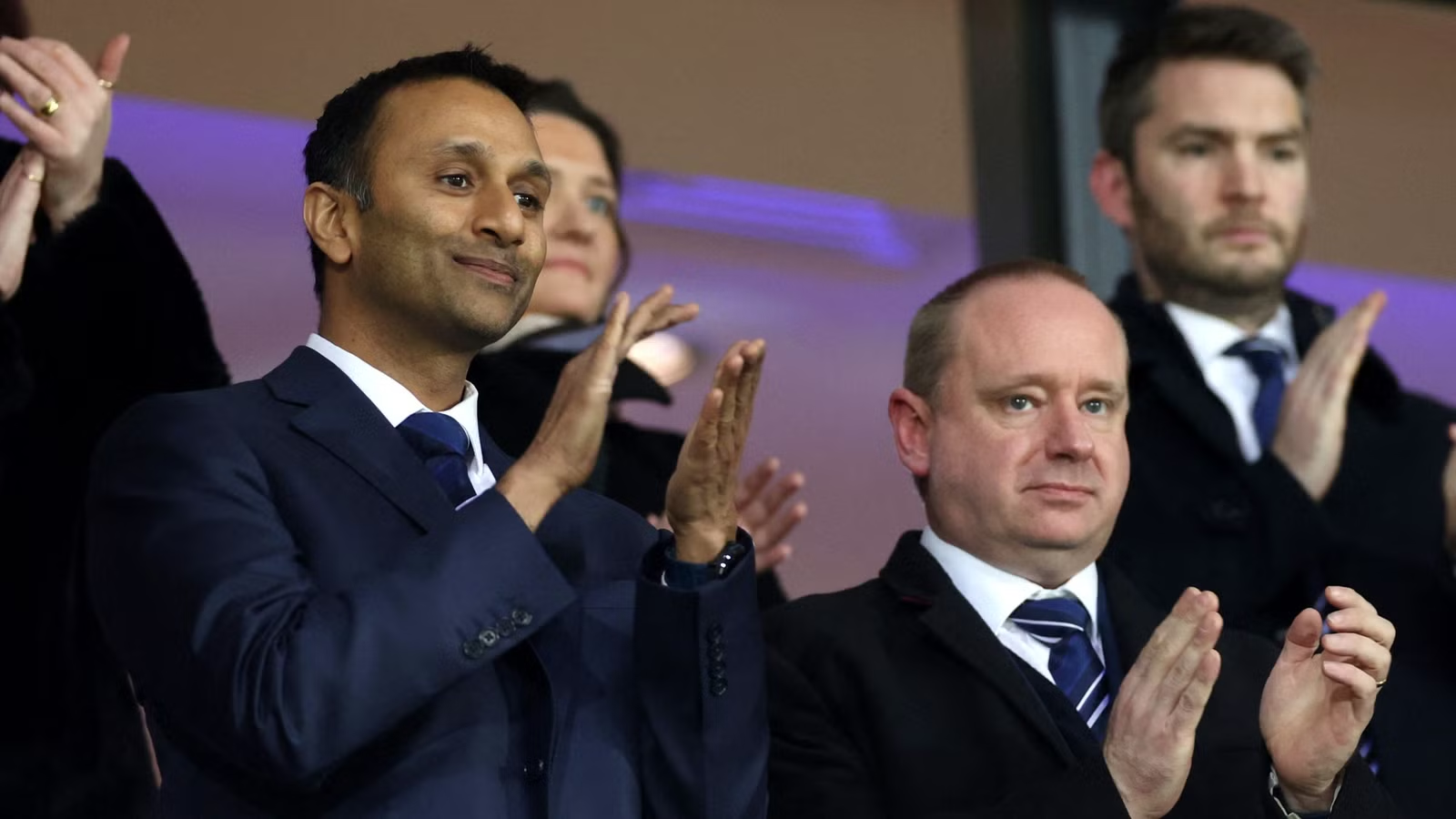
Shilen Patel has effectively stabilised West Bromwich Albion on and off the pitch after taking over the club in early 2024.
That’s despite finishing 21st and losing two points in 2025/26. However, there is rising confidence about West Brom’s possibilities in a division with two additional play-off spots next season.
After years of financial turmoil under previous owner Guochuan Lai, Shilen Patel has undoubtedly brought a newfound sense of stability and, arguably, ambition to The Hawthorns. While promotion back to the Premier League has been difficult, there have been positive indicators that the club is making progress.
Sensible recruitment has largely followed, as has a greater emphasis on long-term sustainability and a desire to invest in the club’s future, all of which have helped restore supporters’ confidence. Patel has constantly emphasised the need of establishing West Brom on sound financial footings rather than chasing short-term success.
Shilen Patel explains the financial prospects for West Brom ahead of 2026/27.

His long-term moderate strategy could put the Baggies in a better position to contend for promotion in the coming seasons while remaining financially viable off the pitch. Since his arrival, Isaac Price, Mikey Johnston, and others have enjoyed significant commercial success.
Patel has since provided an update on the club’s financial situation, as West Brom seek to compete with parachute payout clubs like as Southampton, Burnley, West Ham United, and Wolverhampton Wanderers.
In an open letter on West Brom’s official website, Patel stated, “Our inherited Profitability and Sustainability (P&S) challenges have been exhaustively discussed and analysed for the last two-plus years, and nobody is happier than me to finally put that conversation in the past.”We confronted the P&S chasm full on,
selling players and resetting the pay bill while rebuilding the men’s first-team group for long-term success. After a disappointing two-point deduction, we may now prioritise our own budget and preferences over external constraints.I understand and connect with fans’
displeasure and disappointment with many aspects of the sanctions and the process leading up to them. I am still happy of how the entire club worked together to minimise a breach that was previously estimated to cost tens of millions of dollars, and I believe that the emphasis we placed on compliance and open conversation with the CFRU was exemplary.
“Regardless of how we feel about the verdict, we put ourselves in a situation where the deduction did not alter our season and an appeal would not influence our future. We prioritise investing in players and infrastructure over attorneys and hearings to enhance the club’s future.On May 15,
there was a vote that confirmed what we had long suspected: the Championship would transition to new Squad Cost Ratio (SCR) guidelines for squad spending. This is a move we have been preparing for since before the 24/25 season, and we are certain that we can carry out our strategy within the new constraints.”
Why West Brom will gain more from SCR than PSR in the Championship
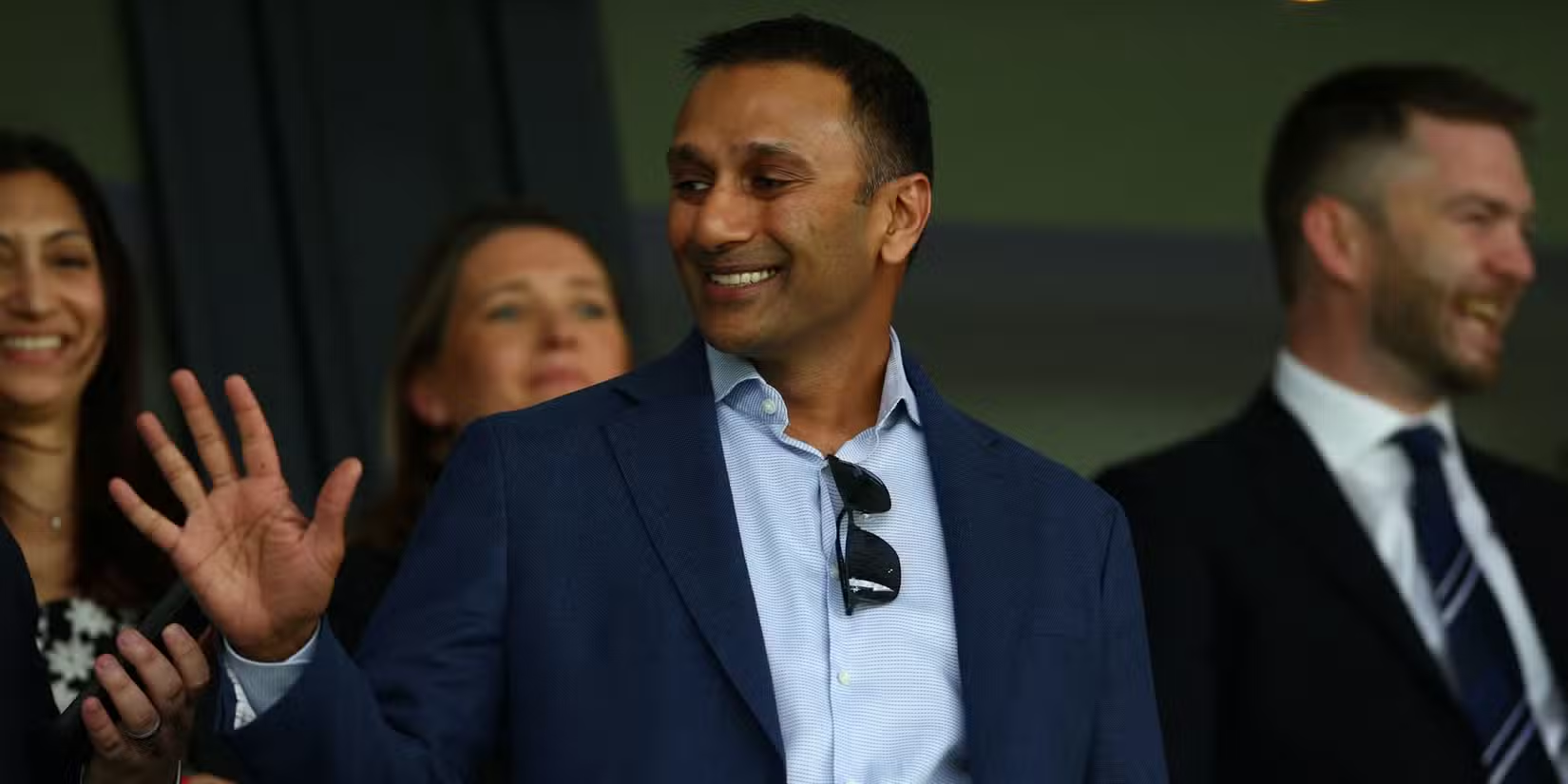
The Championship’s shift from P&S (or PSR) to SCR restrictions could benefit many of the division’s current clubs, including West Brom. Rather than focusing solely on accounting earnings and losses over a multi-year period, SCR prioritises ensuring salary bills and squad-related spending are commensurate to a club’s football revenue.
This should reward well-managed clubs with sustainable financial models over those that rely significantly on owner investment or one-time player transactions. This is how they have been operating for some time under Patel. The Baggies, who have spent recent years meticulously strengthening their financial position under Patel, should benefit greatly from this shift.
Patel has constantly stressed sustainability above extravagant spending, which means the Baggies may be in a better position to invest wisely while being compliant. If properly handled, SCR might help create a more level playing field, allowing West Brom to compete without being hampered by the residual consequences of earlier financial issues.
Another significant feature of the new SCR framework is the freedom it provides owners to assist their clubs. Championship owners will be able to infuse up to £33 million in equity over a three-year period, with a maximum of £15 million in any single season, and that funding will count against a club’s spending allocation.
In comparison to other smaller clubs in the league, this could be especially crucial for West Brom under Patel. Rather than being severely limited by prior accounting losses under PSR, Patel now has a clearly defined process for investing his personal money in the club while adhering to the new financial structure.
xz