Paul Lambert, the former Blackburn Rovers manager, has described the circumstances surrounding his resignation from the club at the end of the 2015-16 season, and they do not reflect well on the owners.
The ownership of Blackburn Rovers by Indian chicken magnates Venky’s has never been without controversy, but an interview with one of the club’s former managers has shed light on the circumstances surrounding his departure from Ewood Park, and despite the fact that this occurred more than a decade ago, it does not paint a particularly favourable picture of the owners.
Paul Lambert joined Blackburn as a replacement for Gary Bowyer, who was fired in November 2015 while the club was in 15th place in the Championship standings. However, Lambert did not last long in the post, quitting the club at the end of the season after invoking a release provision in his contract.
Little further information about what transpired was available at the time, but the interview fills in the gaps, revealing that the manager left after only eight months at Ewood Park due to a dispute over the sale of striker Jordan Rhodes.
Paul Lambert left Ewood Park after a dispute over the transfer of Jordan Rhodes.
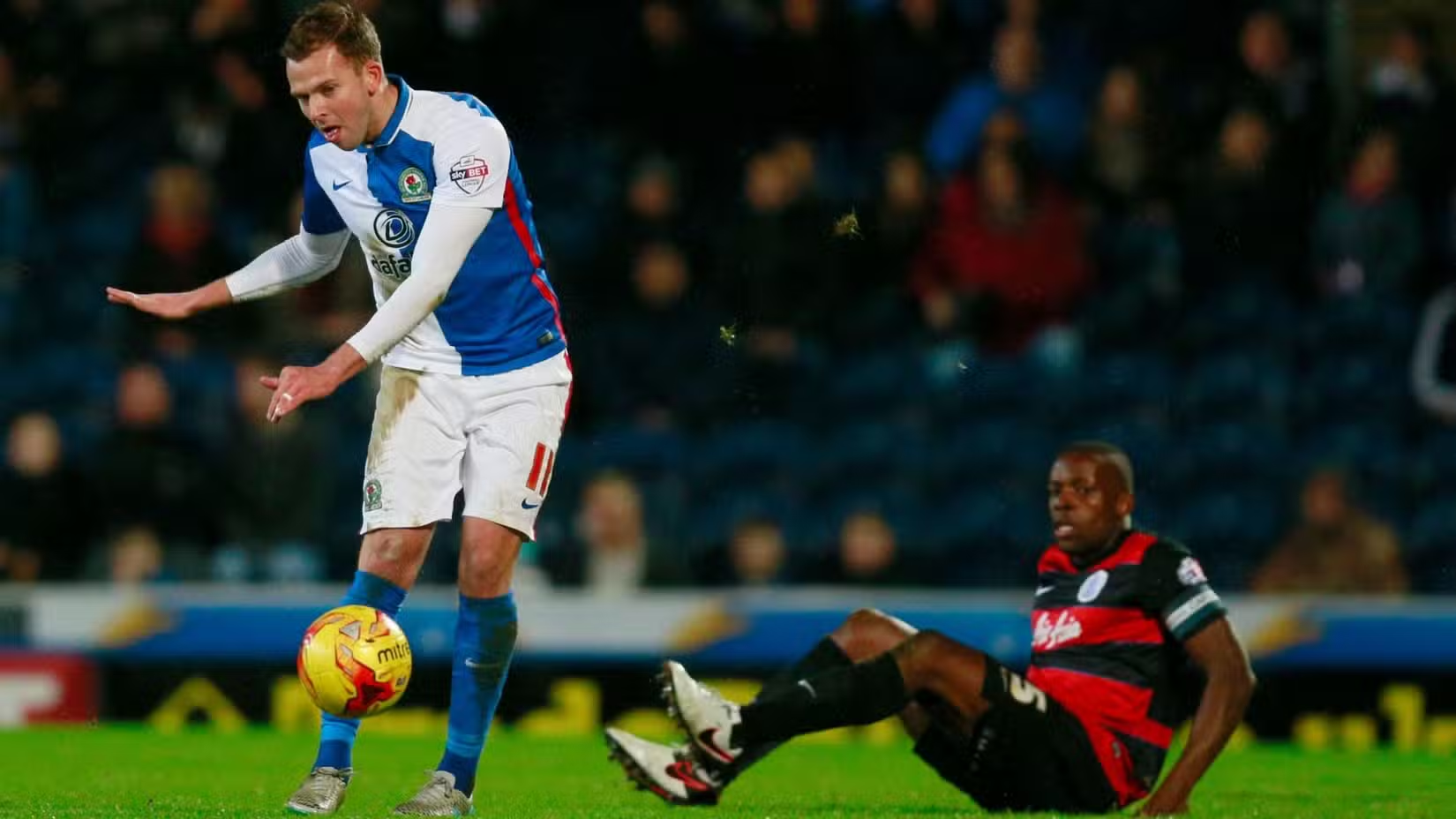
According to the Blackburn Telegraph, the former Blackburn Rovers manager acknowledged that he left the club at the end of the 2015-16 season due to a disagreement about what happened to the revenues from the sale of striker Jordan Rhodes.
Lambert explained: “We assumed we’d receive a bit of a war chest to work with for the following season, because the goal was to keep Blackburn in the league and then rebuild. We moved in there and were doing great, but around November, I was told we had to sell Jordan Rhodes. I thought, “Well, he is our best striker; he scores goals for us.”
The manager said that he inquired about what would happen with the revenues of this transaction and was informed that they would be spent on team development: “So I said, ‘Where does the money go?’ They said, ‘Well, it will come back to you.’ “It never returned.”
Lambert did not receive the response he expected from the club regarding the funds from the sale after it was completed: “Around February, I went to see one of the guys and said, ‘Listen, I am going to leave now because this isn’t going to work.'”
Lambert claimed that a member of the club’s senior management persuaded him to stay until the conclusion of the season: “He urged, ‘Please, Paul, stay until the end of the season.’ I expected money to come in, but there was never any.”
He painted an unflattering picture of the club at the time: “I didn’t want to put myself through that, and I wasn’t enjoying it anyway.” There was no pleasure in it. Things weren’t getting done, no investment was coming in, players were being sold, and there was so much going on behind the scenes that I decided I might as well quit.”
By the time Paul Lambert took over at Blackburn Rovers, Rhodes’ dissatisfaction at Ewood Park was widely known.
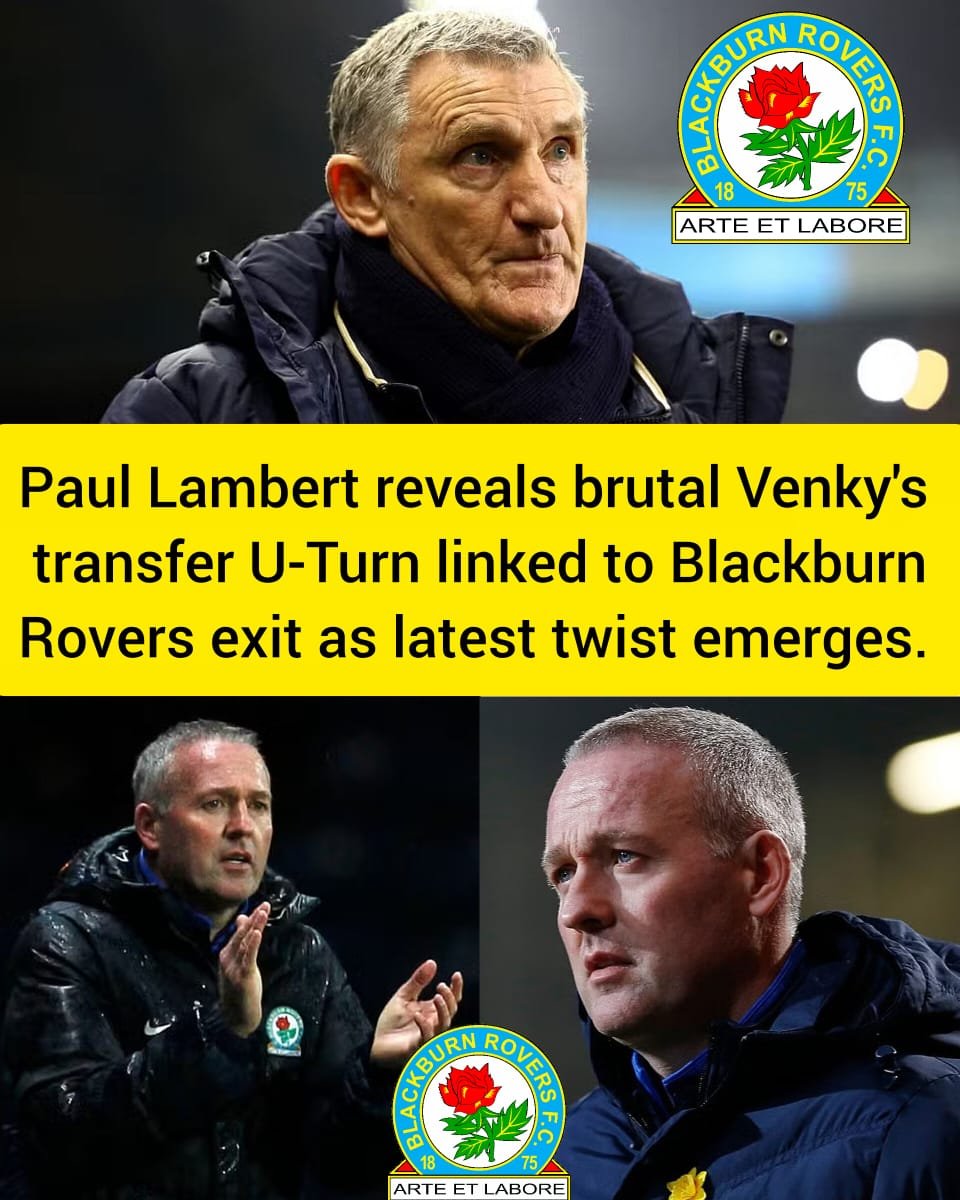
By the January transfer window, Jordan Rhodes’ situation had become complicated. When the striker came from Huddersfield Town in August 2012, he set a club record for the most expensive signing. However, by the summer of 2015, Rhodes was a wanted man, and Middlesbrough made a proposal for him that was touted as “in excess of £10 million,” which upset the striker.
After being turned down by ESPN, Rhodes stated, “When I left Huddersfield I felt the timing was right in the next stage of my career and, having seen Middlesbrough’s performances last season in reaching the playoff final and their ambition this summer in terms of acquisitions, I would have liked to have been able to talk to them and I am unhappy at not being given that opportunity.”
By the time Lambert came at Ewood Park, it was widely known that Rhodes was wanted by other clubs and wanted to leave. However, because his final sale to Middlesbrough was not completed until the very last day of the following January’s transfer window, there was no time to bring in a straight swap replacement. Rovers had a busy January transfer window, but they did not spend the millions that Lambert was informed would be available.
Blackburn Rovers were in 15th place in the Championship when Paul Lambert took charge, and they concluded the season in the same position. He was replaced in the summer by Owen Coyle, who lasted only until February 2017, when Rovers were in serious problems near the bottom of the table.
Tony Mowbray was named as his successor, although the club was nevertheless relegated at the end of the 2016-17 season. It is debatable whether they would have been better off with or without Paul Lambert, but Blackburn undoubtedly paid a premium for losing Jordan Rhodes’ goals.