Birmingham City’s 2026/27 season has gotten off to a great start on the pitch, with fans beginning to imagine what might be possible under Chris Davies.
The 41-year-old previously divided Blues fans, particularly during the 2025/26 Championship season, which saw continued investment from Knighthead Capital Management.
The club’s American investors have committed to make significant changes in such a short period of time, and this affects not only Davies’ squad’s prospects in the near future as they seek a return to the Premier League, but the entire city of Birmingham.
Tom Wagner has been praised for the job he has already done and what he plans to do as the Blues aim to fulfil their full potential.
Looking back to move forward is frequently frowned upon, but Wagner and Co. believe that doing so will ensure that Birmingham fans never lose sight of their identity as the club enters a new era.
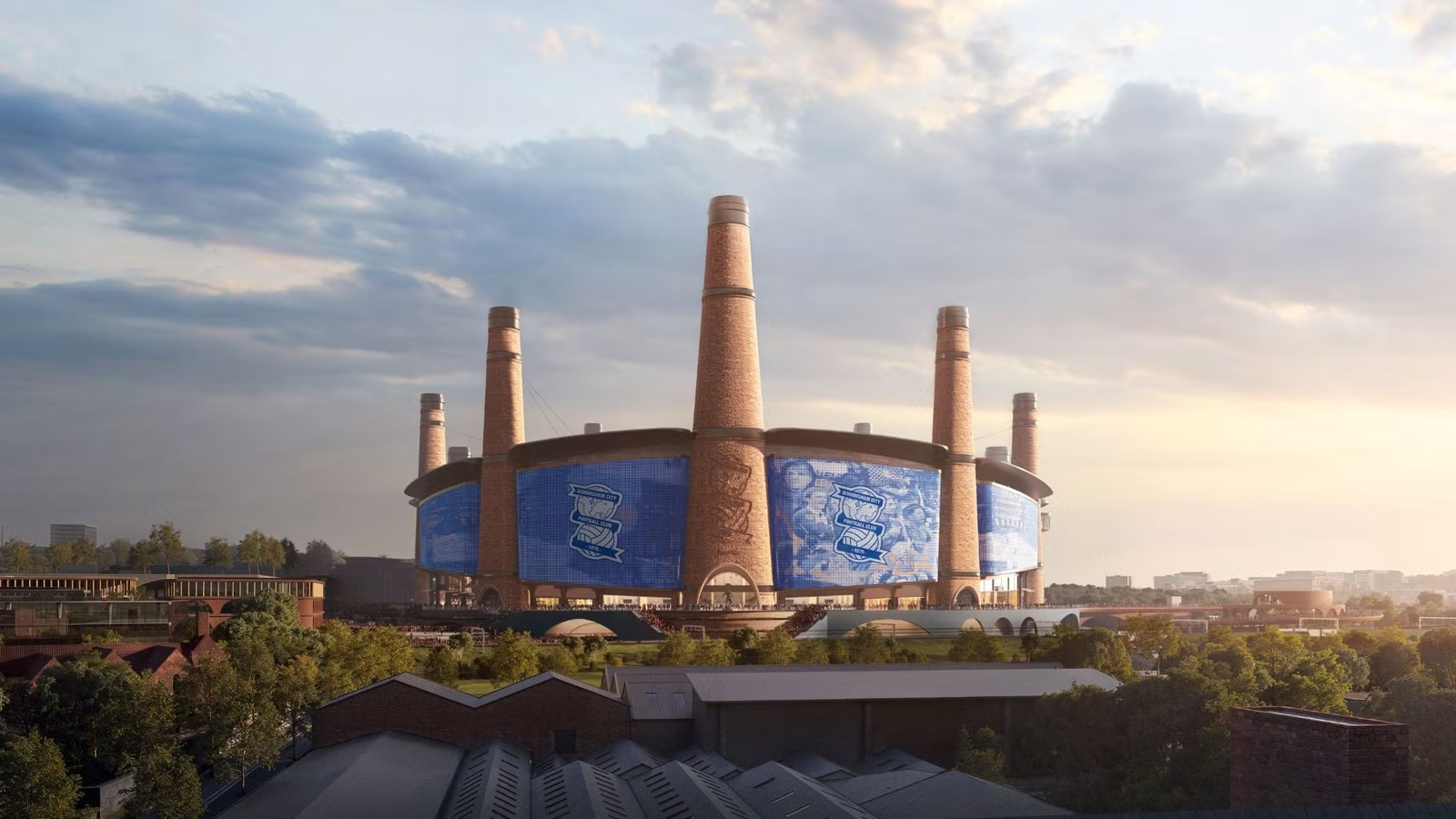
Birmingham City’s Powerhouse stadium designs were presented one year ago.
Last season may have been a mixed bag for Birmingham and its fans on the pitch, but it was nonetheless historic in other ways.
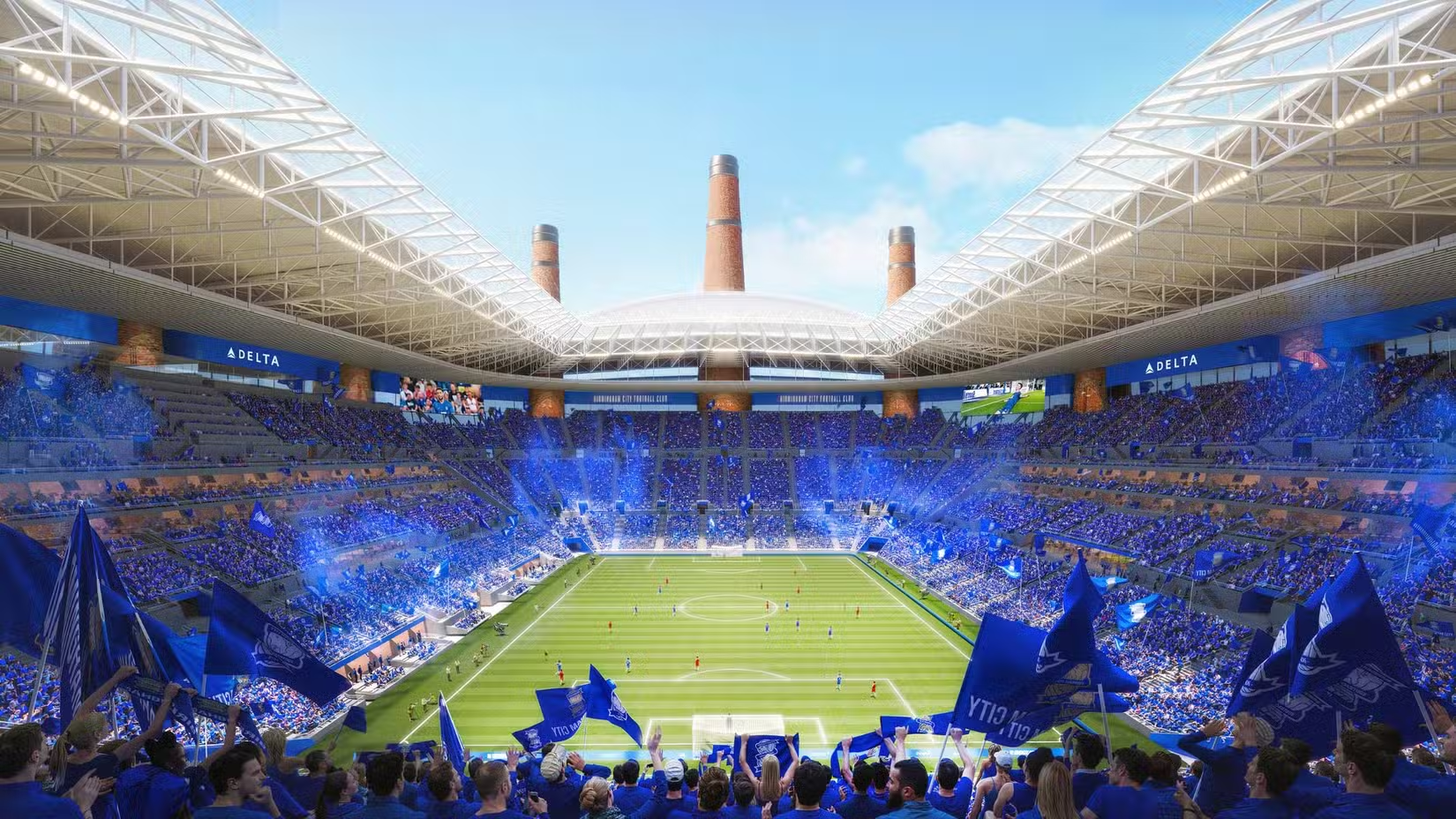
Indeed, just days before the Blues celebrated their 150th anniversary with a 4-1 victory against Norwich City, the club revealed the design and name of their planned 62,500-seater stadium, which will stand less than a mile from St. Andrew’s @ Knighthead Park.
The Powerhouse will pay tribute to the Second City’s strong industrial legacy, as seen by its name and design, in more ways than one.
Birmingham City is repurposing part of the city’s past in their Powerhouse stadium design.
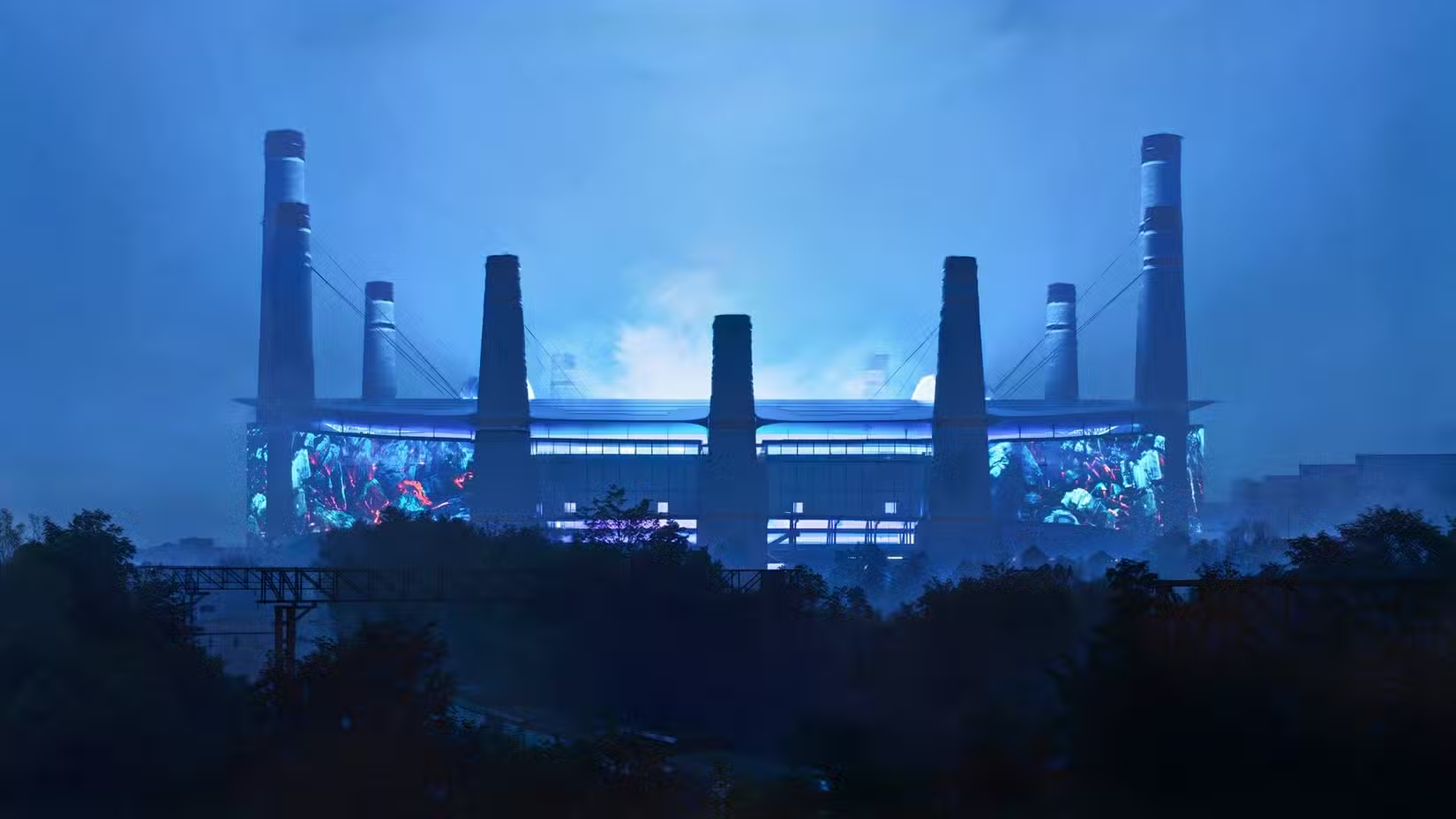
The Powerhouse will be the showpiece of a multibillion-dollar Sports Quarter development that will revitalise the Bordesley Green neighbourhood with several commercial and retail centres next to the stadium.
While the chimney-themed design has attracted much criticism from rival fanbases and others, those who are affiliated with the club will appreciate how it will recycle some of Birmingham’s rich heritage.
Over 1,000 bricks helped structure the City Hospital in Winson Green, built in 1912 as Birmingham Workhouse. Infirmary is being repurposed for the Powerhouse, which will stand tall on the old site of the Adderley Park Brickworks.
The City Hospital closed in 2024 to make way for a 750-home development along the Birmingham and Wolverhampton Main Line Canal, some 4.1 miles from St. Andrew’s.The original bricks from Adderley Park Brickworks, lovingly salvaged, cleaned, sorted, and restored by local experts, will be incorporated into the Powerhouse – Birmingham City’s future home and a defining part of the city’s Sports Quarter,” according to a section of a statement on the Blues’ website confirming the purchase of said bricks.
Birmingham City will provide several hospitality packages related to chimney designs.

More work has been done in recent months to determine how the whole Sports Quarter and Powerhouse stadium would look, with an opening date of summer 2031 projected.
Many Blues fans are looking forward to what lies ahead, as emotional as it will be when the club must leave St. Andrew’s Stadium, where they have played since 1906.
In May, Birmingham’s official social media accounts developed and released several ‘CGI’ graphics, illustrating how various hospitality packages will be included into the chimney designs.
This features a high-level view of the pitch known as the ‘Chimney Seats’, as well as a ‘Restaurant with a View’ that will allow diners to see the city’s main skyline, which is around two miles away.
Birmingham City’s Powerhouse decision demonstrates how much Knighthead has embraced local culture.
As previously said, Knighthead has done their best to immerse themselves in the many cultural features associated with the West Midlands.
The Sports Quarter will create thousands of jobs for locals while also stimulating the economy. Meanwhile, the investment business has acquired holdings in Birmingham Phoenix, as well as former Blues school graduate and Real Madrid player Jude Bellingham.
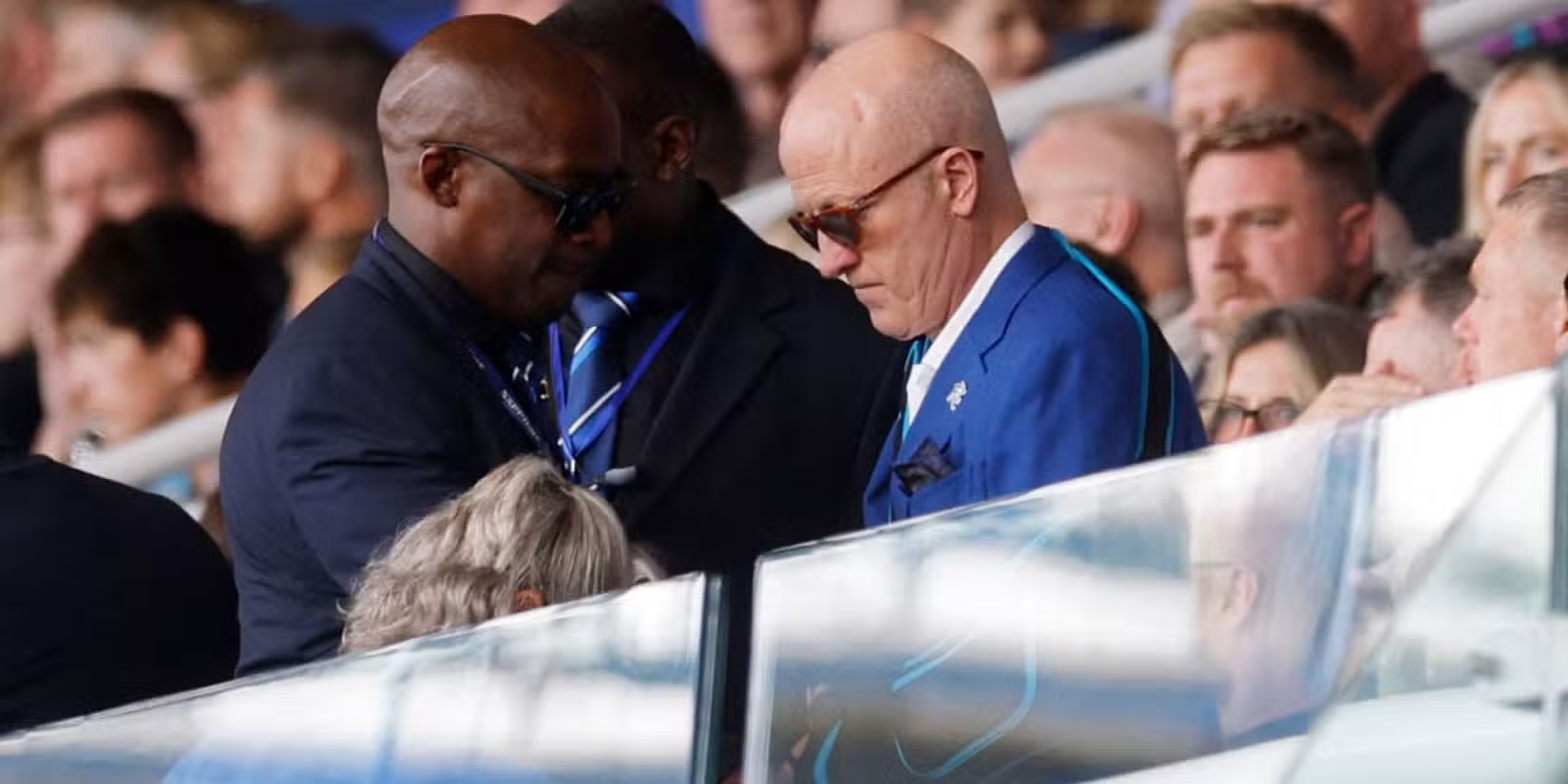
Blues fans have not underestimated the effort that has gone into such a transformative endeavour, and it has been especially clear in Wagner’s recent trips to St. Andrew’s following a stroke in January.