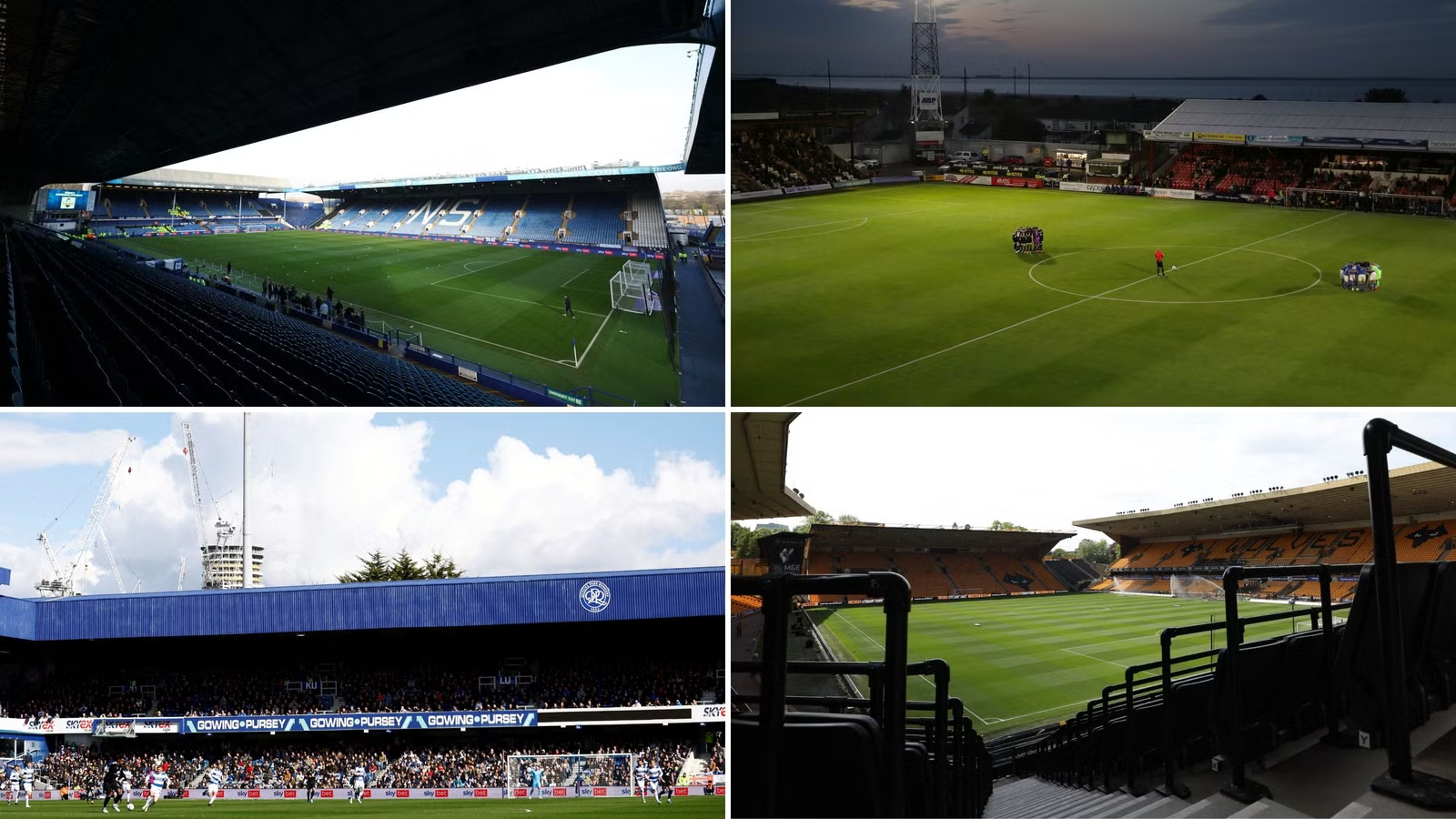
The size of a fanbase, a club’s reputation, history, and present standing are all valid points of contention for EFL supporters, but so is being proud of and fighting the case for their home ground and stadium.
Teams relegated from the Premier League have state-of-the-art arenas, some great football stadiums, and some not even designed for football.
Teams promoted from the National League, which does not yet have 24 completely professional clubs, may have decrepit homes or be the result of hard work and financial sacrifice.
The EFL has 72 clubs and 72 stadiums that symbolise what is special and unique about English football and its pyramid, with supporters who, with the exception of a few, are proud and defensive of their hometown.
However, it is all part of the fun and games of watching football, thus The Athletic, in an article written by Richard Sutcliffe, has decided to rank the 72 EFL venues.
We reviewed the top 15 of the list.
15Hillsborough (Sheffield Wednesday)
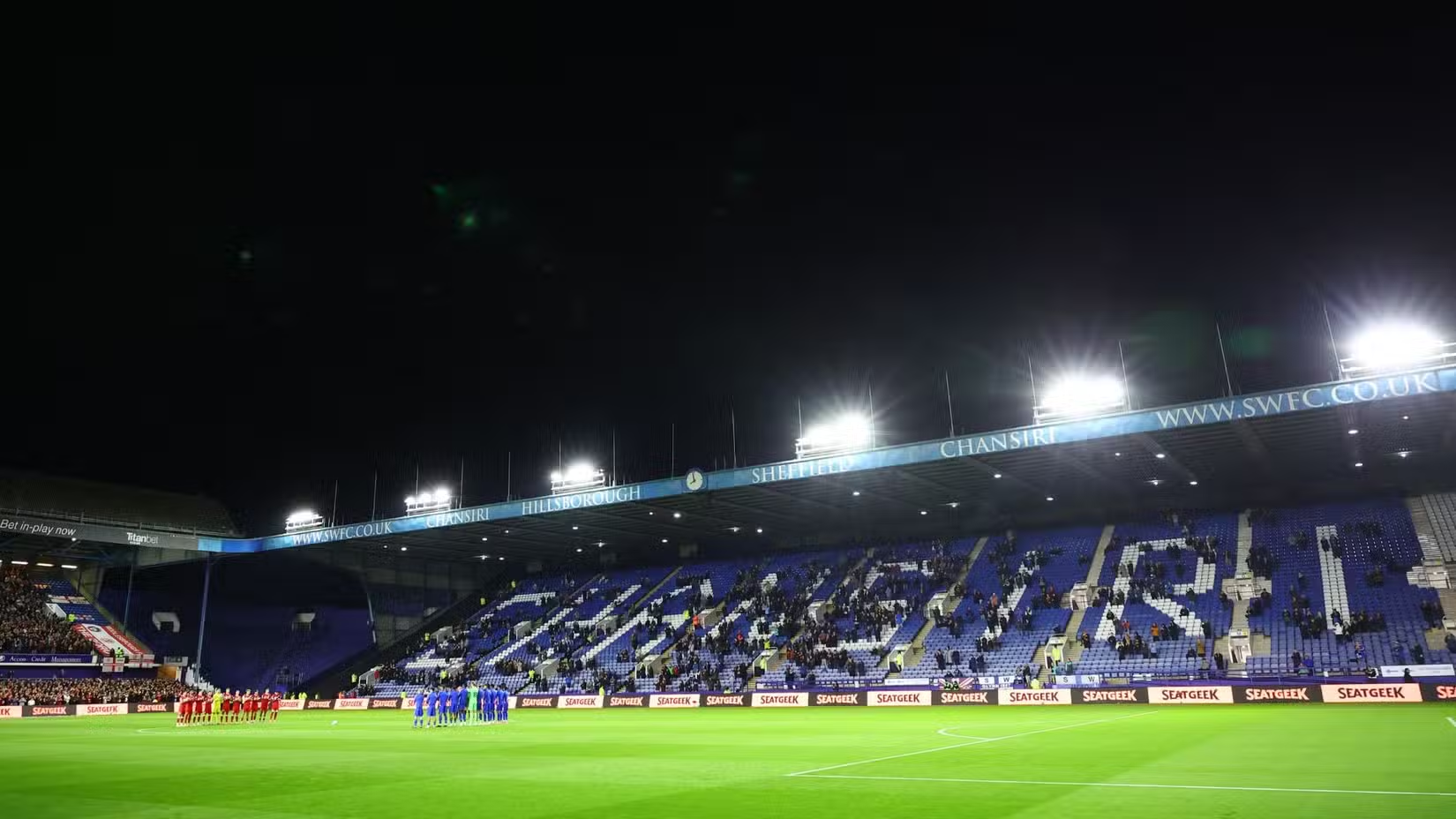
Hillsborough, Sheffield Wednesday’s home ground, is ranked 15th out of 72 EFL grounds, having opened in 1889 and seating 34,835.
Sutcliffe explains that his decision was based on the ‘vibrancy and enthusiasm’ that the ground and its atmosphere maintain, which has helped Wednesday keep afloat in recent years.
At Sutcliffe, however, one disadvantage of the ground is that safety concerns exist – mentioning Newcastle United’s visit in the fourth round of the FA Cup in January 2024 – and away supporters, whether in the upper or lower tiers of the Leppings Lane End, frequently experience discomfort.
14St James Park (Exeter City)
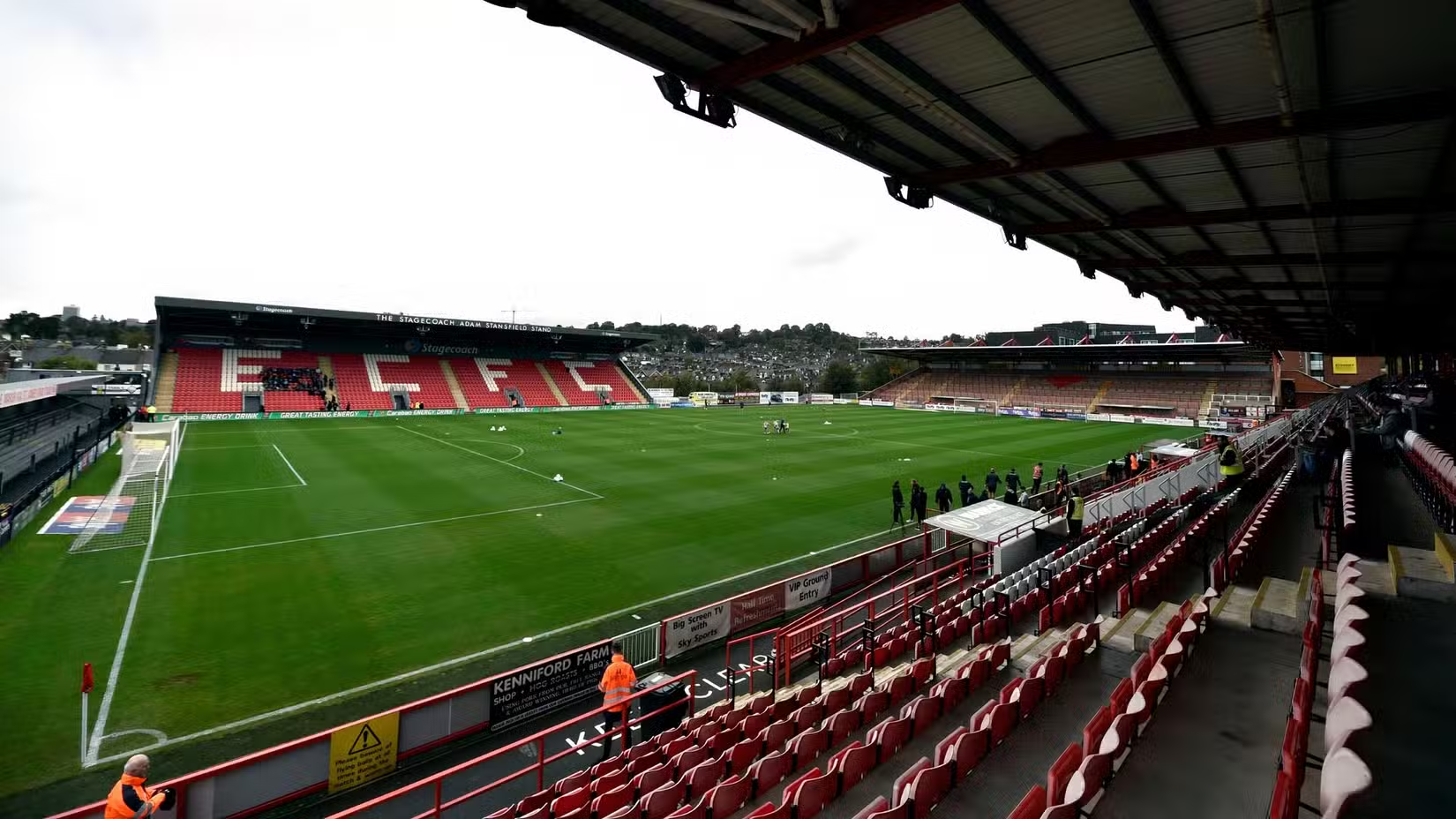
Next on the list, 122 years after its debut in 1904, is Exeter City’s 8,720-capacity St James Park, ranked as the 14th finest stadium in the English Football League.
Sutcliffe’s choice to rank The Grecians’ home so high is largely due to the Supporters’ Trust’s efforts to retain, maintain, and develop their home stadium.
According to Sutcliffe, the ‘patchwork’ stands may appear substandard to a casual spectator, but they offer the stadium some character and individuality, especially given that it is a ‘hugely friendly lower-division ground’.
Sutcliffe makes a daring choice in conceding that any ground that does not totally envelop the pitch and the supporters can have problems, but having once been threatened with eviction, it is a ground that represents more than simply what it provides fans on match days.
13The Valley (Charlton Athletic)
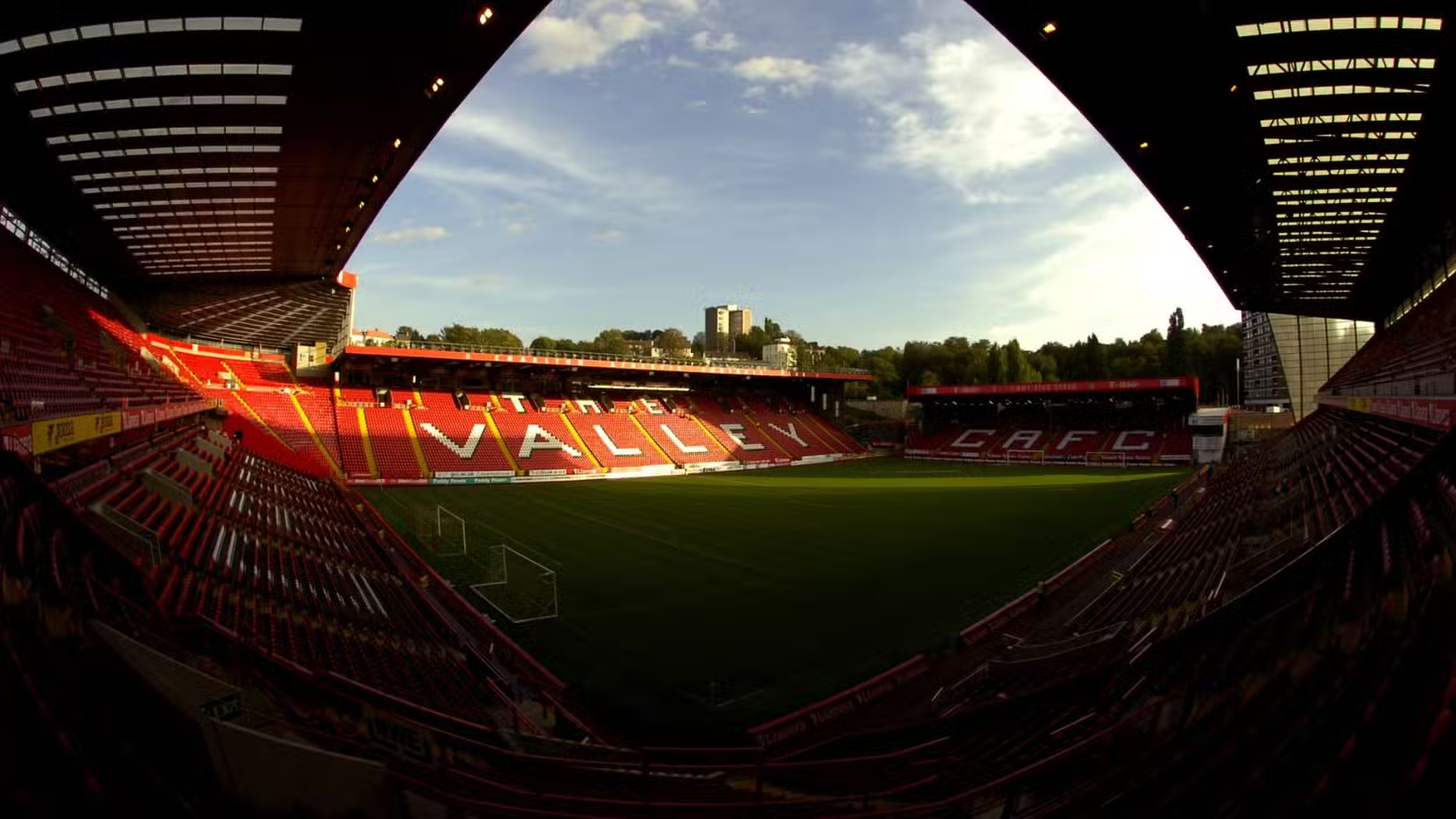
Down in South London and only a few minutes’ walk from Charlton’s train station, easily accessible from Central London, 13th on the list of The Valley – built in 1919 and has a capacity of 27,111.
Sutcliffe’s decision is also influenced by the Addicks’ supporters, who had to campaign to end their seven-year absence and groundshares with Crystal Palace and subsequently West Ham United in the 1980s.
Tight behind the goal, where the home team kicks in the second half, and with a low roof on the old away end, which, as Sutcliffe explains, is the only part of the ground that has not been completely rebuilt since their return, when The Valley is full, it can really rock – and is often a key weapon for them regardless of the division in which they play.
12Cherry Red Records Stadium (AFC Wimbledon)
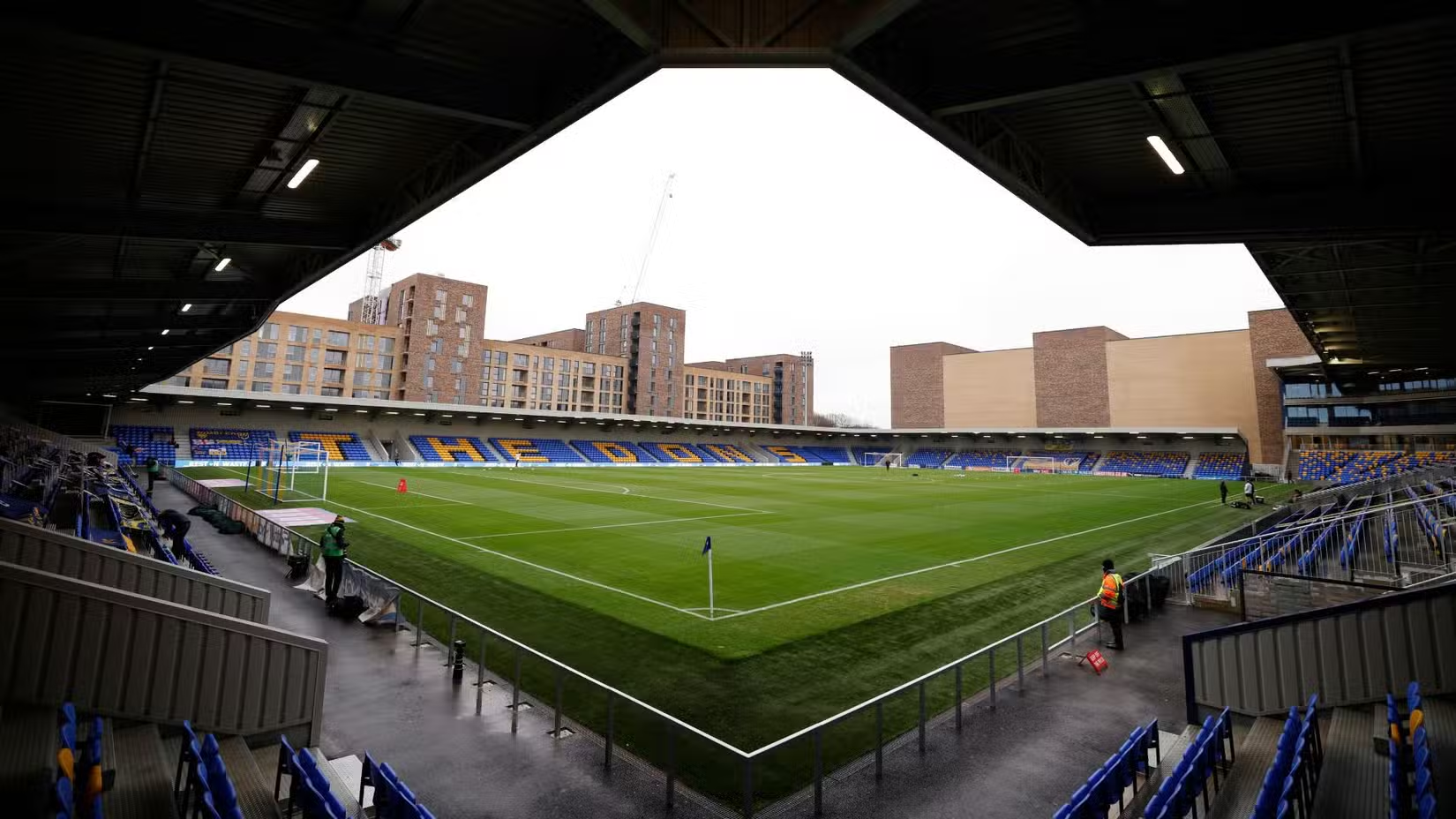
The Cherry Red Records Stadium, also known as Plough Lane, of AFC Wimbledon, opened in 2020 and has a capacity of 9,300.
Again, a group of supporters was exiled, this time to Crystal Palace, but in the 1990s, before the relocation to Milton Keynes, Wimbledon fans had to wait for their reconstituted club to return to their true home in South London.
AFC Wimbledon moved into its modern-feeling stadium a few years ago after formerly playing at Kingsmeadow, a former home of Kingstonian FC. However, despite the up-to-date construction, the near closeness of the seats to the pitch ensures an old school vibe for both home and away supporters.
11Deepdale (Preston North End)
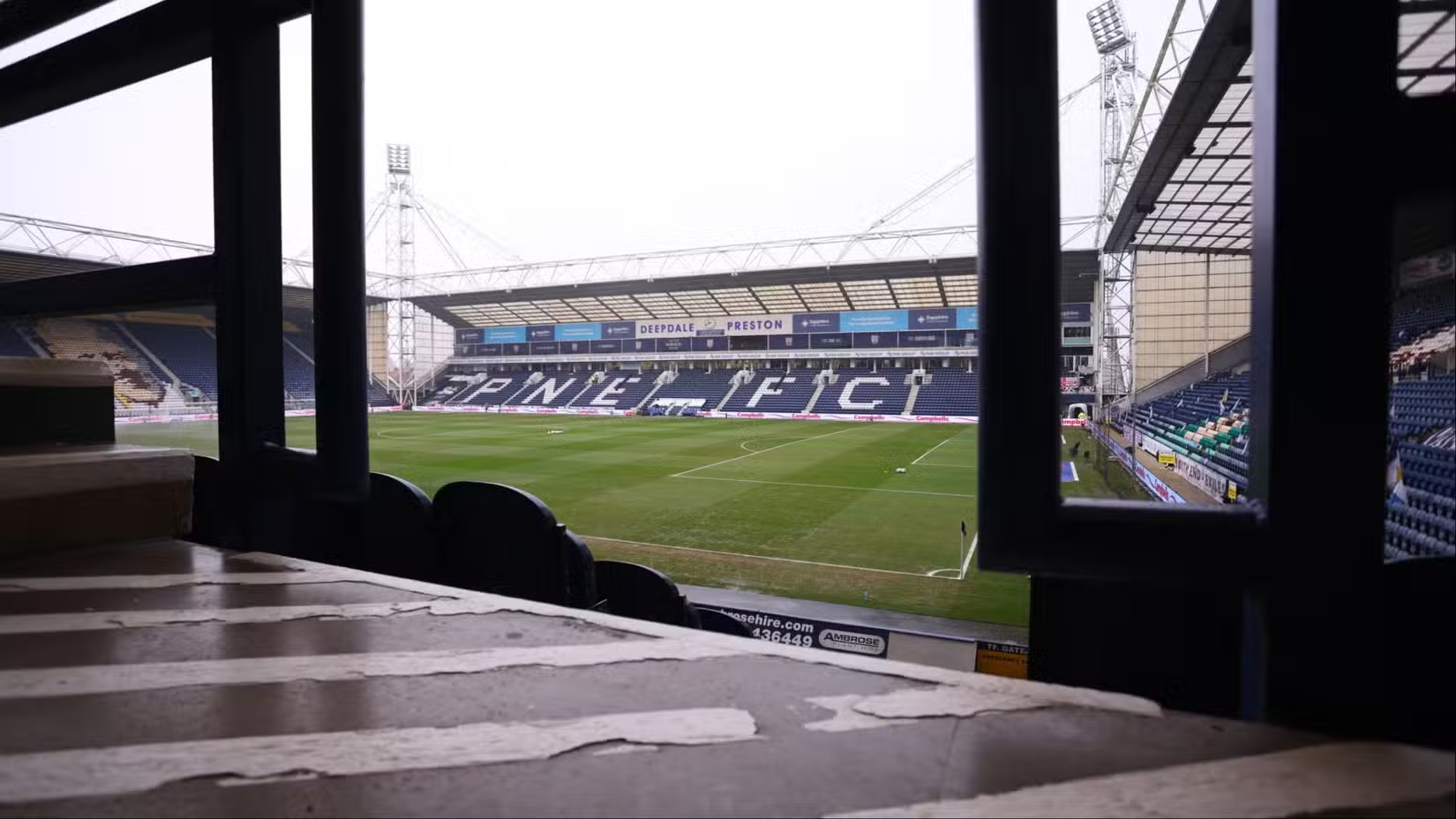
Moving on from the capital city, Sutcliffe ranks 11th in Lancashire with Deepdale, Preston North End’s home since 1878, with a capacity of 23,404.
The Lilywhites’ ground has been almost completely restored over the previous 40 years or so, and it has one distinguishing feature that is typically well regarded by neutrals and fans: all corners of the ground are closed in.
The lack of ‘gaps’ or connection between the stands helps to keep the noise loud while the stadium is full, though some critics point to the formulaic and uninspired rectangular design of some of the more recent venues, such as St Mary’s or King Power Stadium.
10Blundell Park (Grimsby Town)
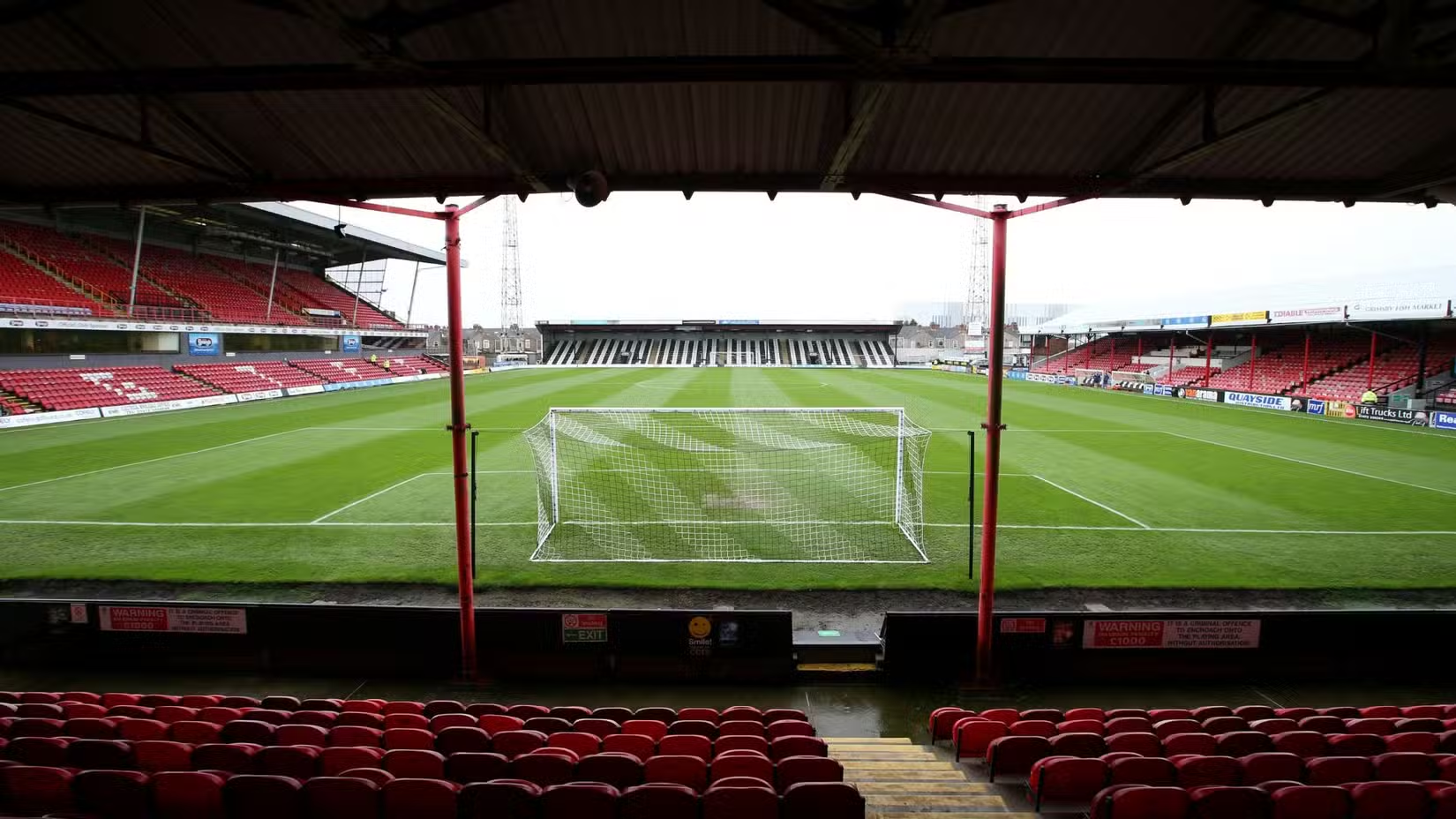
Blundell Park, distinct in look, ranks tenth on the list, with Grimsby Town’s home since 1899 presently possessing a capacity of 9,546 – feeling like a lot more when rocking.
That was the case in their memorable penalty shootout victory over Manchester United in the second round of the EFL Cup last season, when the low roof of the away end aided United’s ill-fated second-half rally against The Mariners.
Sutcliffe describes the ground as a ‘real pub’ surrounded by fish and chip shops and a concourse covered in’scarves, shirts, and flags’, implying that while it may not be on everyone’s ‘To-do’ list, it should be.
9Accu Stadium (Huddersfield Town)
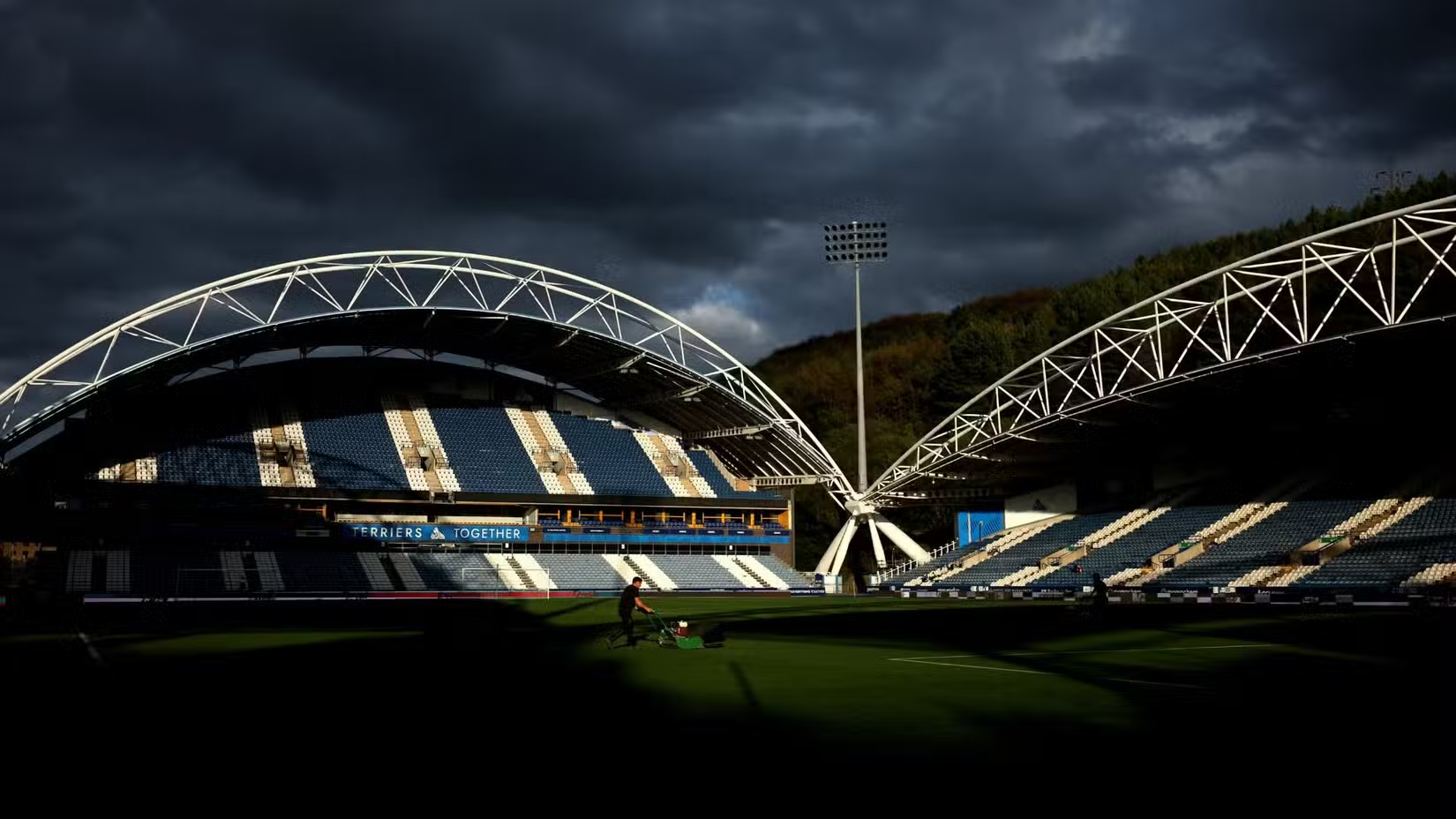
Perhaps surprisingly given the spaces in the corners and the fact that it may feel and look a little terrible when half empty, the next stadium on the list is the now Accu Stadium – the home of Huddersfield Town and previously Rugby League club Huddersfield Giants, which opened in 1994 with a capacity of 24,121.
The arched roofs of its four stands give it a distinct identity and, as Sutcliffe puts it, ‘architectural excellence’, which earned it the Royal Institute of British Architects Building of the Year award in 1995 – the first time any athletic stadium had received the prise.
It has a fantastic location, just a short walk from the often-busy Town Centre, and is one of the most popular ‘away days’ for people going across the country, particularly their Yorkshire competitors and those crossing the Pennines from Lancashire.
8Ashton Gate (Bristol City)
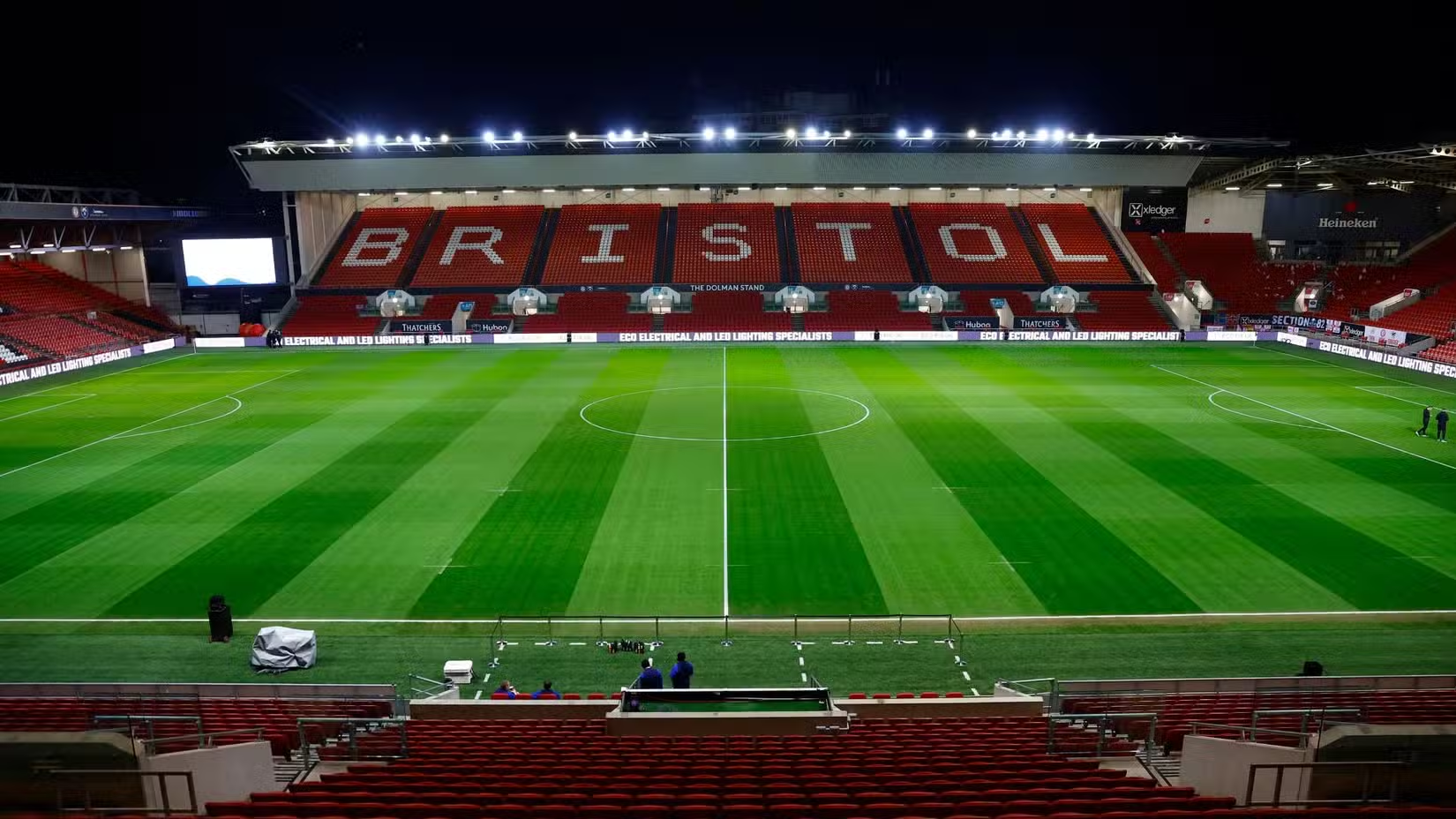
Ashton Gate, Bristol City’s home stadium, has been expanded and developed over the previous decade or so, and presently has a capacity of 26,462.
The Robins have played at Ashton Gate since 1887, but it looks substantially different from the early 2010s, let alone now, having been proposed as a host venue in England’s failed bid to host the FIFA World Cup 2018.
Three sides of the ground have been updated, with the highlight feature being their steepness, although they are overshadowed by the two-tier Lansdown Stand, which takes that steepness to a new level – often to the detriment of the camera perspective when a game is aired.
Also, unlike its city rivals Bristol Rovers and the Memorial Ground, Ashton Gate is closer to the city centre, which is always a plus – especially in a city as charming as Bristol.
7The Hawthorns (West Bromwich Albion)
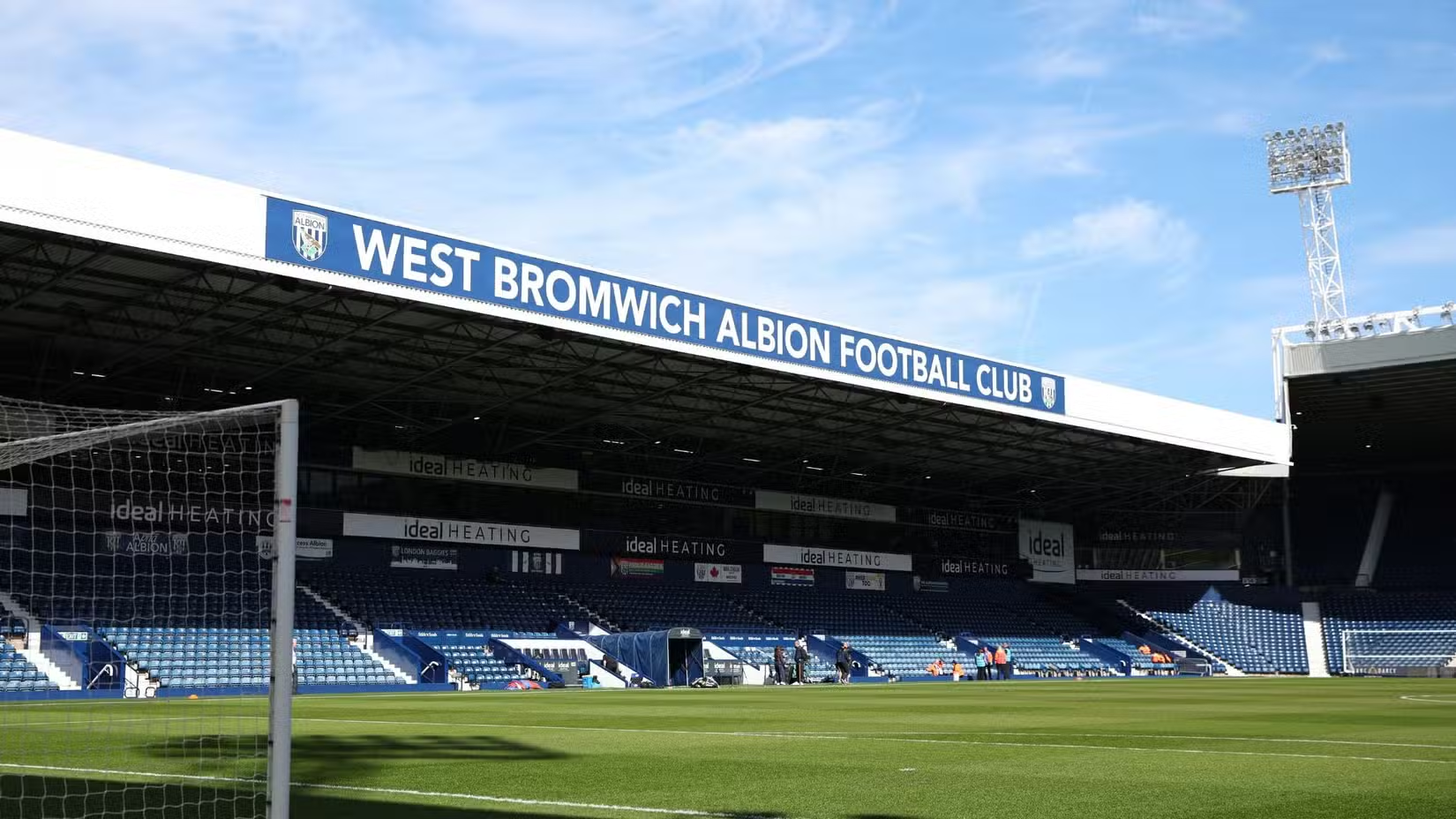
Sutcliffe’s seventh-ranked list now includes The Hawthorns in the Midlands, which has the highest ground in the EFL at 542 metres above sea level.
The 26,804-capacity Hawthorns, West Bromwich Albion’s home since 1900, can be a rowdy environment, especially during local derbies and against Wolverhampton Wanderers.
The away end does not require an excessive level of segregation, and being surrounded by angry home supporters on either side adds to the attractiveness of The Baggies’ home.
6Home Park (Plymouth Argyle)
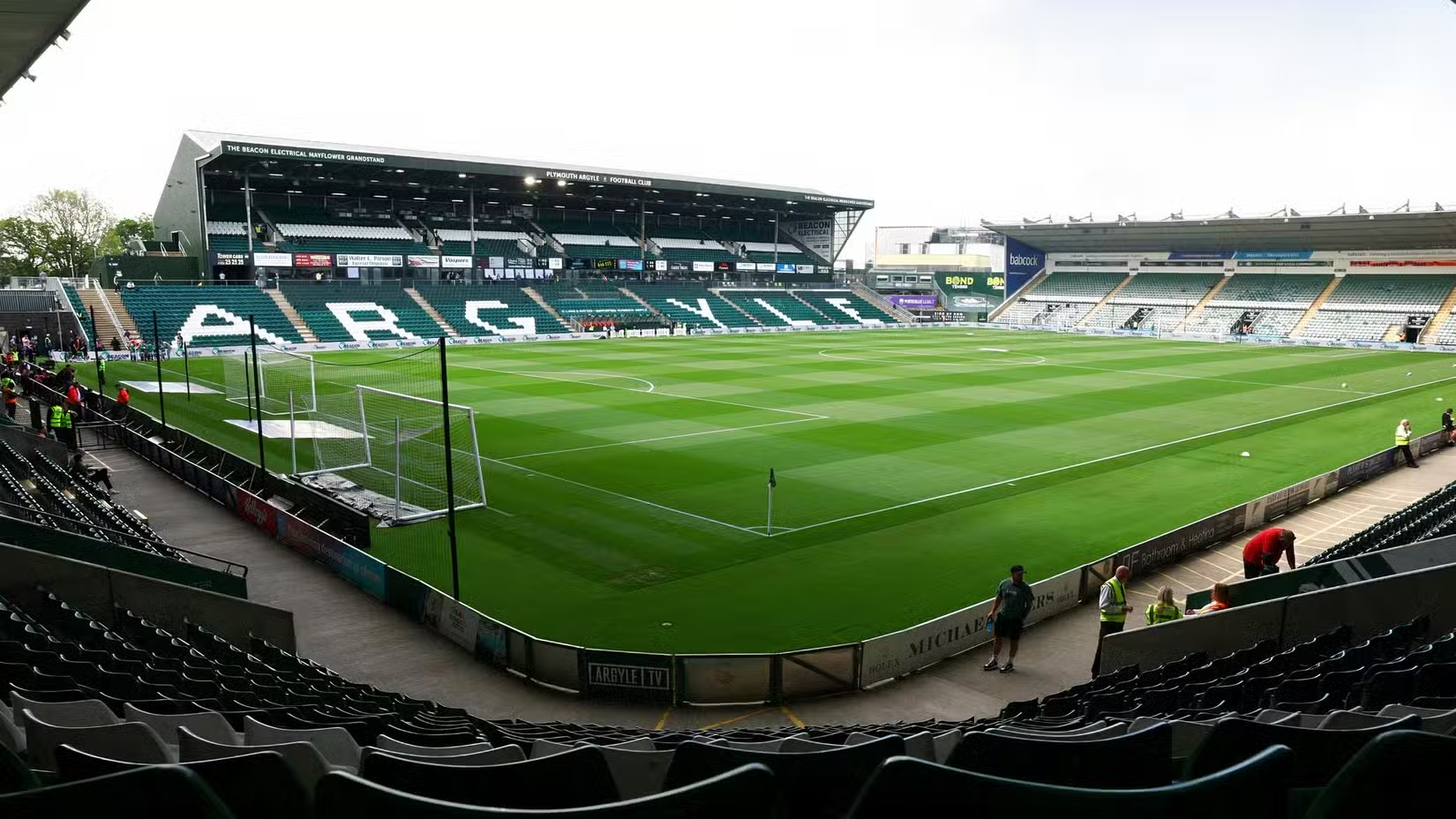
Plymouth Argyle’s Home Park is another facility that has been largely renovated in recent years, with the Mayflower Stand being redeveloped as recently as 2019.
The home of The Pilgrims, which began in 1893 and today seats 17,900 people, is another venue that creates a dynamic environment, according to Sutcliffe.
According to Sutcliffe, one of the main reasons for its high ranking is its position and the walk through the city’s Central Park from the train station to a ground that undoubtedly benefits Argyle, which has a great home record over the last half-decade or so.
5Loftus Road (Queens Park Rangers)
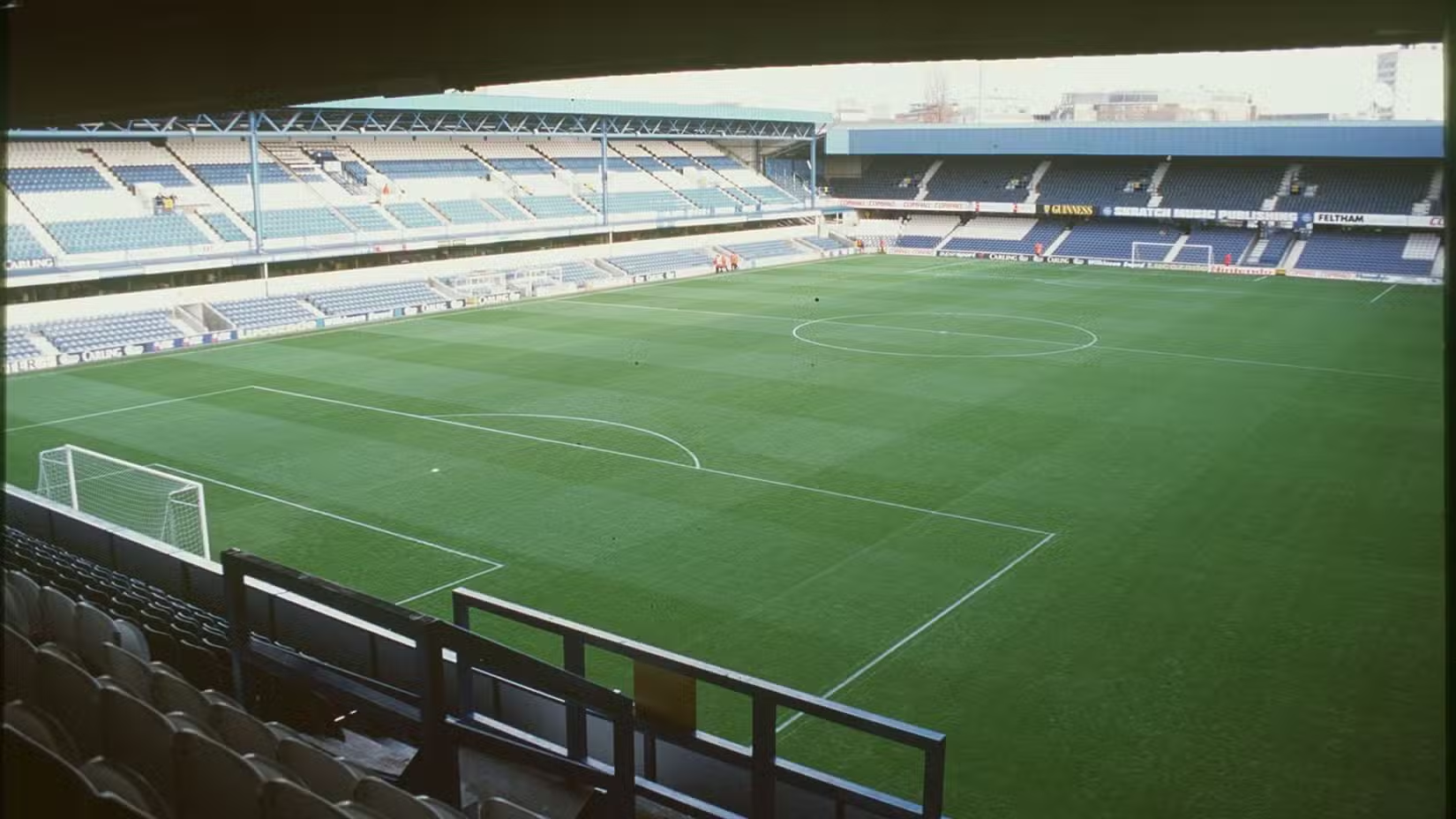
Moving back into the capital city for the final time, Loftus Road, home of Queens Park Rangers, begins the top five with a capacity of 18,439.
Sutcliffe recognises that many people may initially perceive Loftus Road, which opened in 1904, as ‘similar to a shoebox’ with concourses ‘too crowded’ due to its size and location in a tiny section of West London near Shepherd’s Bush.
However, as has been the case with many of these picks, it cannot be overstated that the stadium is fantastic for its atmosphere, which can frequently alter and dictate the rhythm of a game, with two tiny tiers on three sides, including the away end, genuinely rising above the pitch.
4Fratton Park (Portsmouth)
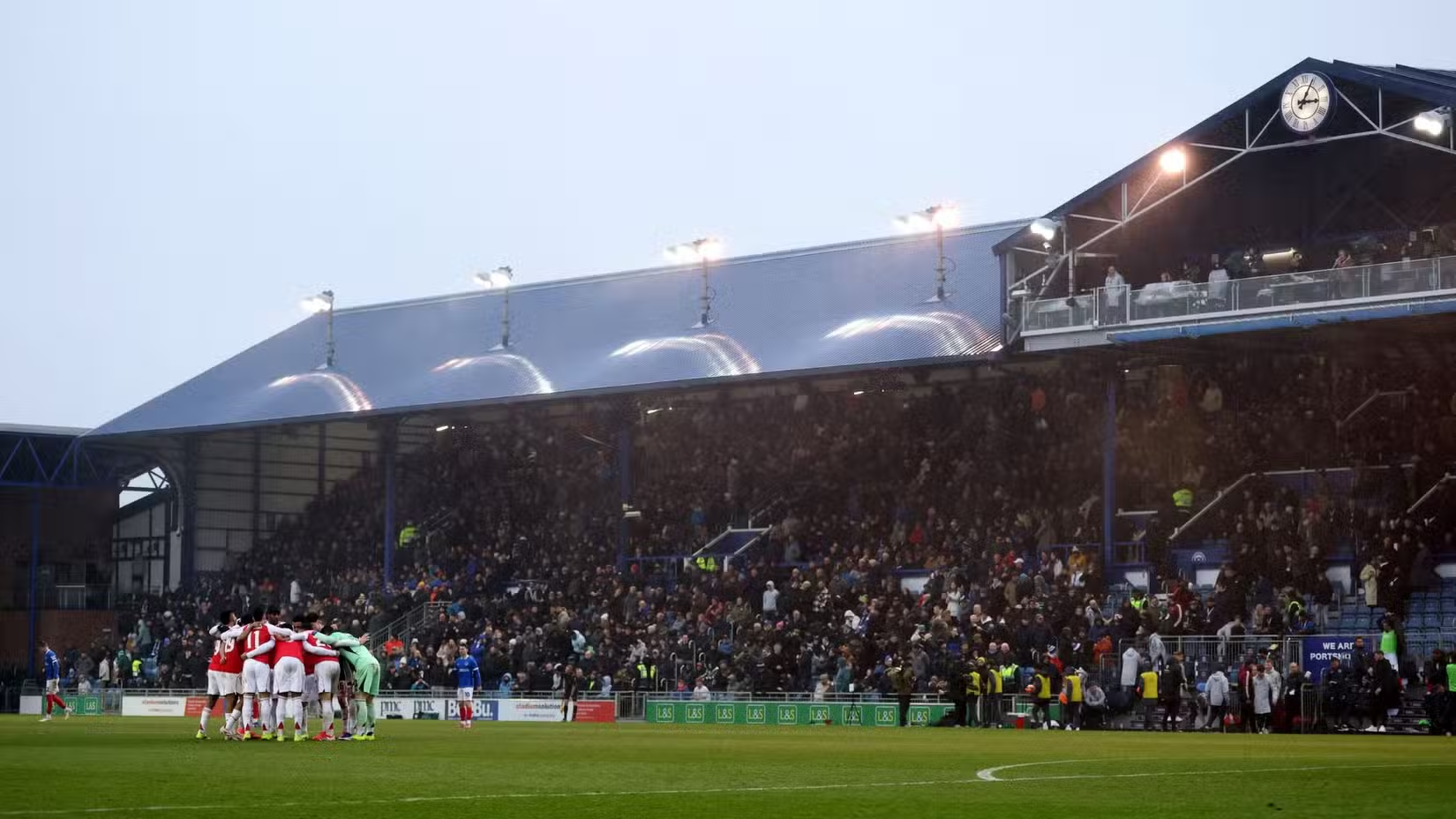
Another notable historic ground, one that opened in 1899, ranks fourth, with Fratton Park in Portsmouth, which has a capacity of 20,899 and is the next to receive praise from Sutcliffe.
In the 2000s, when Pompey were a Premier League stalwart, one of the most common things stated about Fratton Park was the tiny slope either side of the penalty area in front of the away end, and that virtually pristine park-like aspect is something that many people treasure.
Again, a dominant stand that the home team shoots towards in the second half, sucking the ball in, is matched by the opposite end, which has a completely different appearance with a low ceiling and deep rows that have the same impact.
3Turf Moor (Burnley)
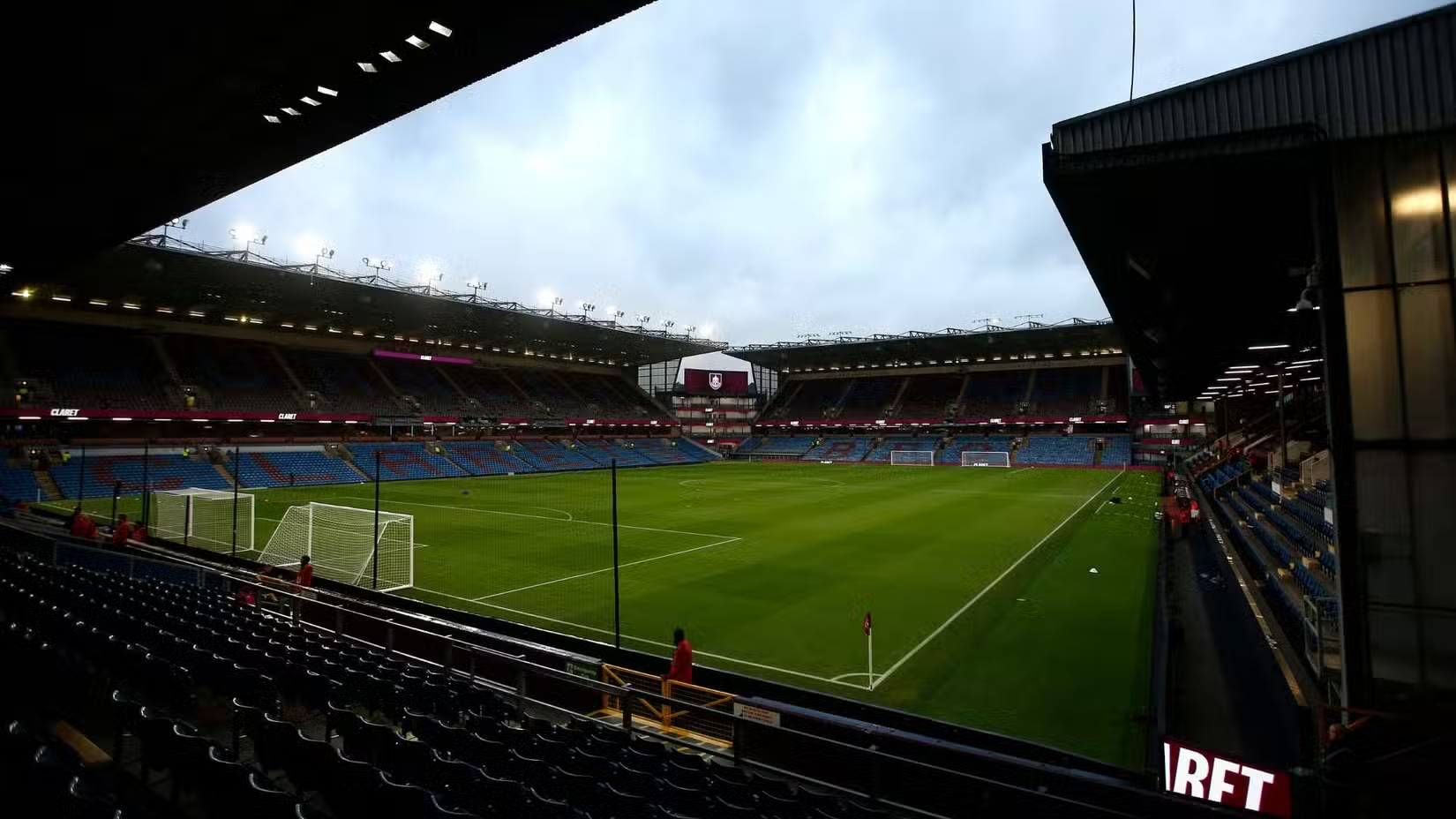
Turf Moor is third on the list, with spectacular views of the Ribbles and plenty of charm. It debuted in 1883 and today has a capacity of 21,944.
Again, Sutcliffe adds that location was important in his pick, with Turf Moor being in the Town Centre and Burnley Cricket Ground being next door, providing an excellent area for away supporters to replenish before a game.
The classic parts of Turf Moor, which no longer include wooden benches and chairs in the away end, persist despite the ground’s renovation.
2Bramall Lane (Sheffield United)
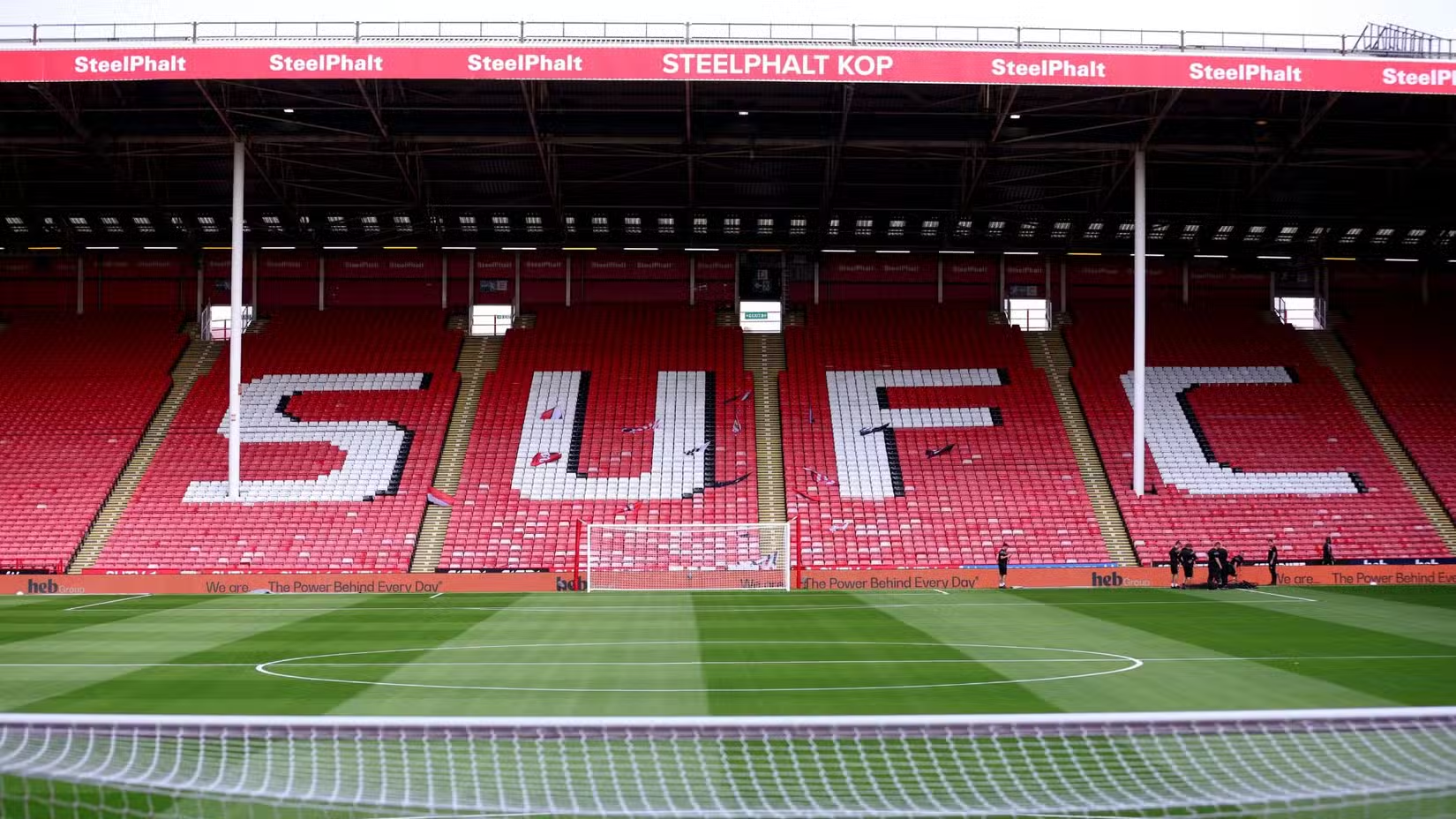
Bramall Lane, which built in 1855, is still one of the most famous and storied grounds in English football, with a capacity of 32,050 and some renovation.
Sheffield United’s ground was as well-known for football as it was for cricket for nearly a century, according to Sutcliffe, with Yorkshire playing games there as late as 1973.
The pillars in The Kop give it a sense of tradition, if not always useful from a viewing standpoint, and United fans’ rendition of Greasy Chip Butty is only aided by the classic atmosphere and excellent acoustics of a venue that is still intact but developing.
1Molineux (Wolverhampton Wanderers)

According to Sutcliffe, the best stadium in the EFL is back in the Midlands, at Wolverhampton Wanderers’ Molineux. Wolves’ Home, which opened in 1889, can accommodate 31,750 people.
After dealing with serious safety difficulties in the past, as described by Sutcliffe, with stands forced shut, Molineux is now modernised while remaining as imposing and threatening as ever – on all four sides.
A historic stadium, when full, it is as busy and loud, if not louder, than any other, with traditional elements intact among much-needed redevelopments.
As has been the case in the EFL in the past, as well as in the Premier League, the clichéd phrase ‘fortress’ frequently became a name for Molineux – and that is testament to its atmosphere and design, with Sutcliffe admitting he ‘can’t think of somewhere I’d rather watch an EFL match’.
xz