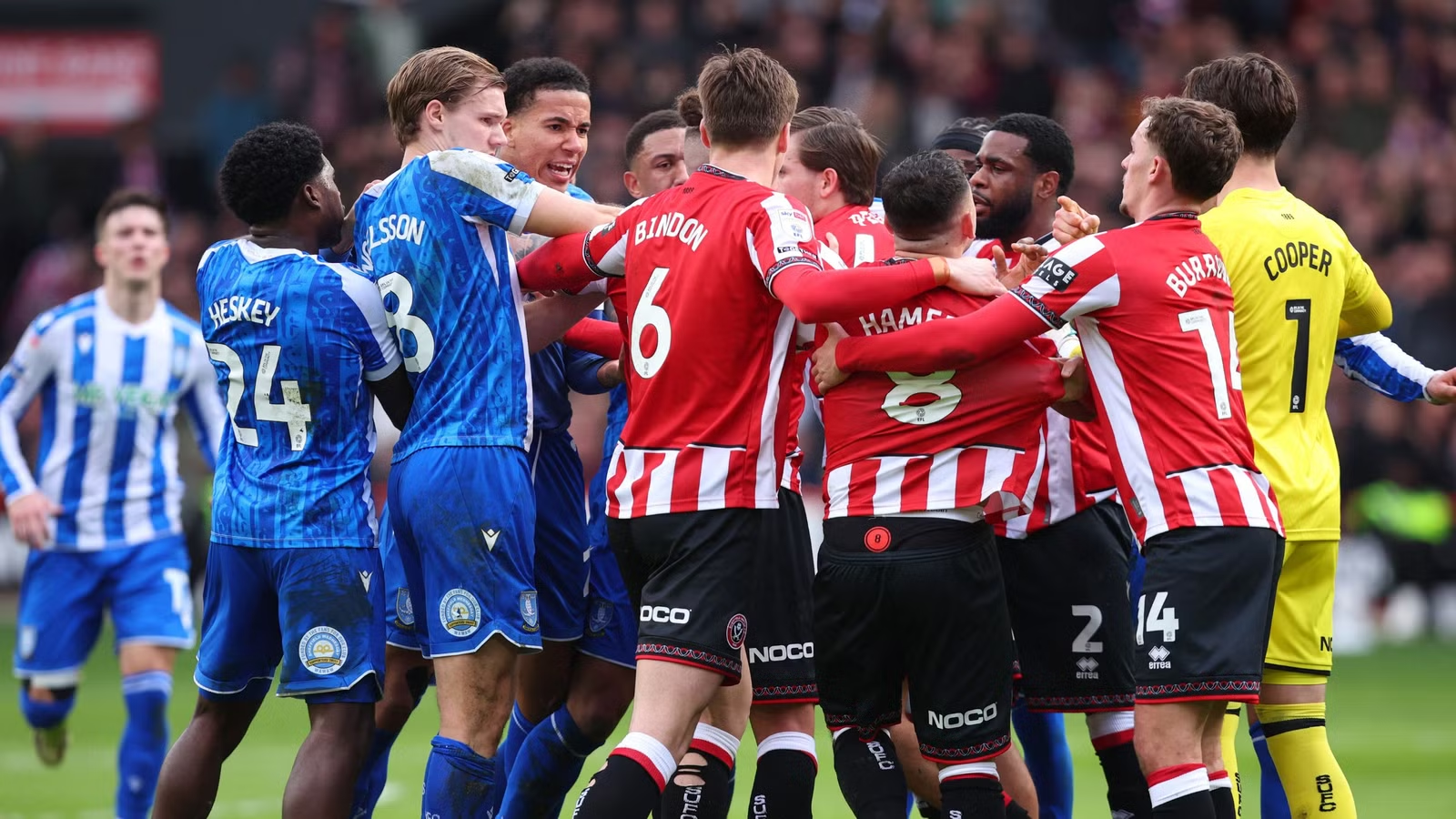
Sheffield Wednesday are relegated to League One, but Sheffield United still have a slim chance of making the play-offs, although this does not necessarily imply that the Blades are a larger club than the Owls.
In terms of Championship standings, the Steel City duo are among the division’s largest clubs. In Yorkshire, the UK’s largest county, they are almost unrivaled, with only Leeds United coming close to Sheffield Wednesday and Sheffield United.
The South Yorkshire derby has returned for two seasons, with the two teams facing off only eight times since 2012. Coincidentally, that was the last time Wednesday defeated United, with the Blades winning five and drawing three since – including the last four.
Relegating their rivals will have raised their bragging rights beyond their typical levels during the previous week, and it is unclear when the two will face off again in the top, second, or third tiers of English football.
However, in the view of most neutrals historically, and even if both clubs are on completely divergent present paths, Sheffield Wednesday has been the larger club. But does AI agree with this? What are the main reasons for making such a statement?
AI explains why Sheffield Wednesday are a bigger club than Sheffield. United
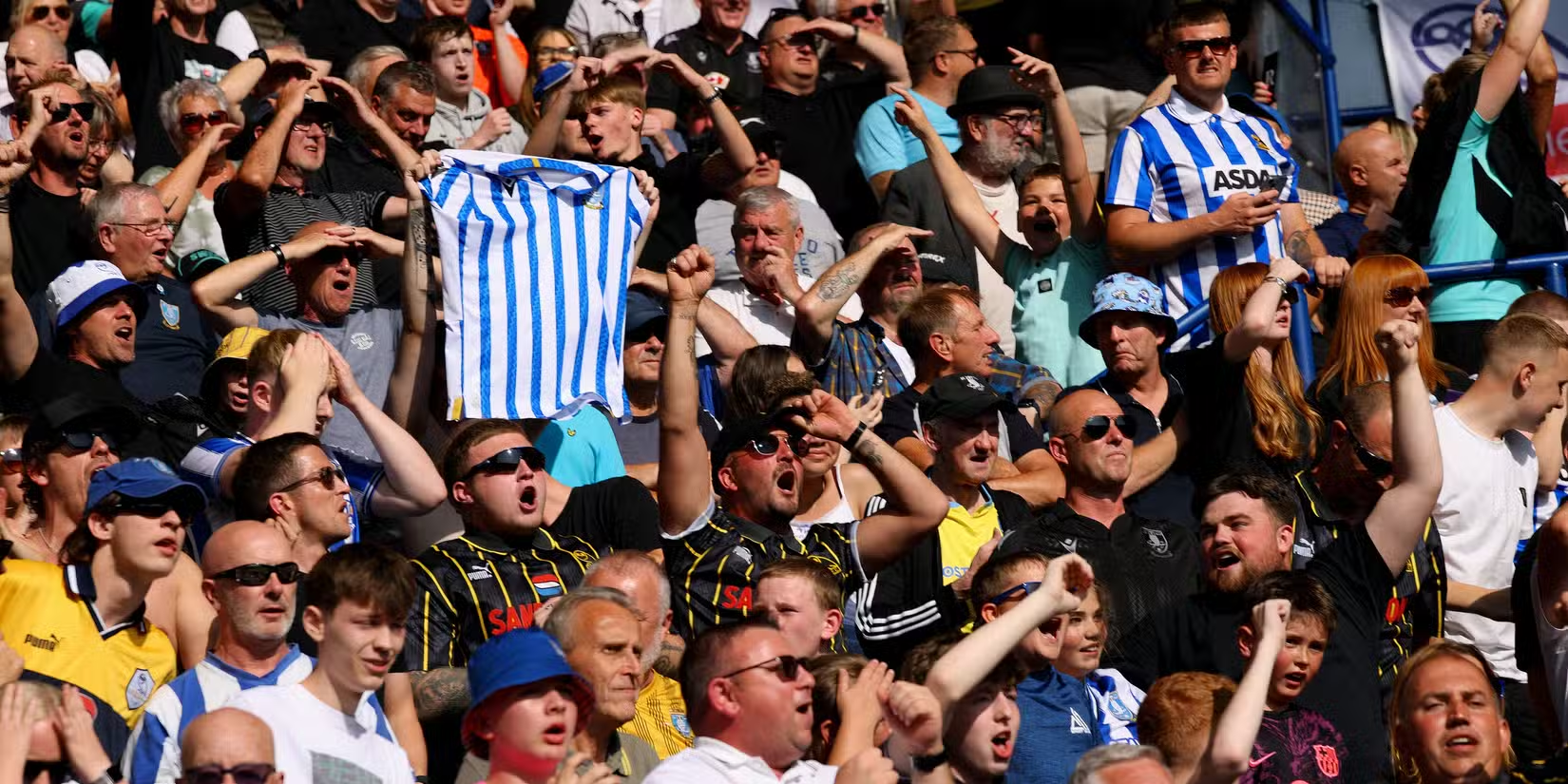
We asked ChatGPT for the top eight reasons why Sheffield Wednesday should still be considered a bigger club than Sheffield United. Debates over Sheffield’s dominance will always divide the Steel City.Debates over Steel City dominance will never be settled unanimously, and Sheffield United has achieved great modern highs, particularly in the Premier League. Sheffield Wednesday has a greater overall claim in terms of institutional size, taking into account history, honors, infrastructure, and cultural weight.Sheffield United is undeniably a major club in its own right. However, history tends to favor one side over the other.
AI then provided reasons for this. Starting with the key honors that the blue and white side of Sheffield holds:
Major honours pedigree
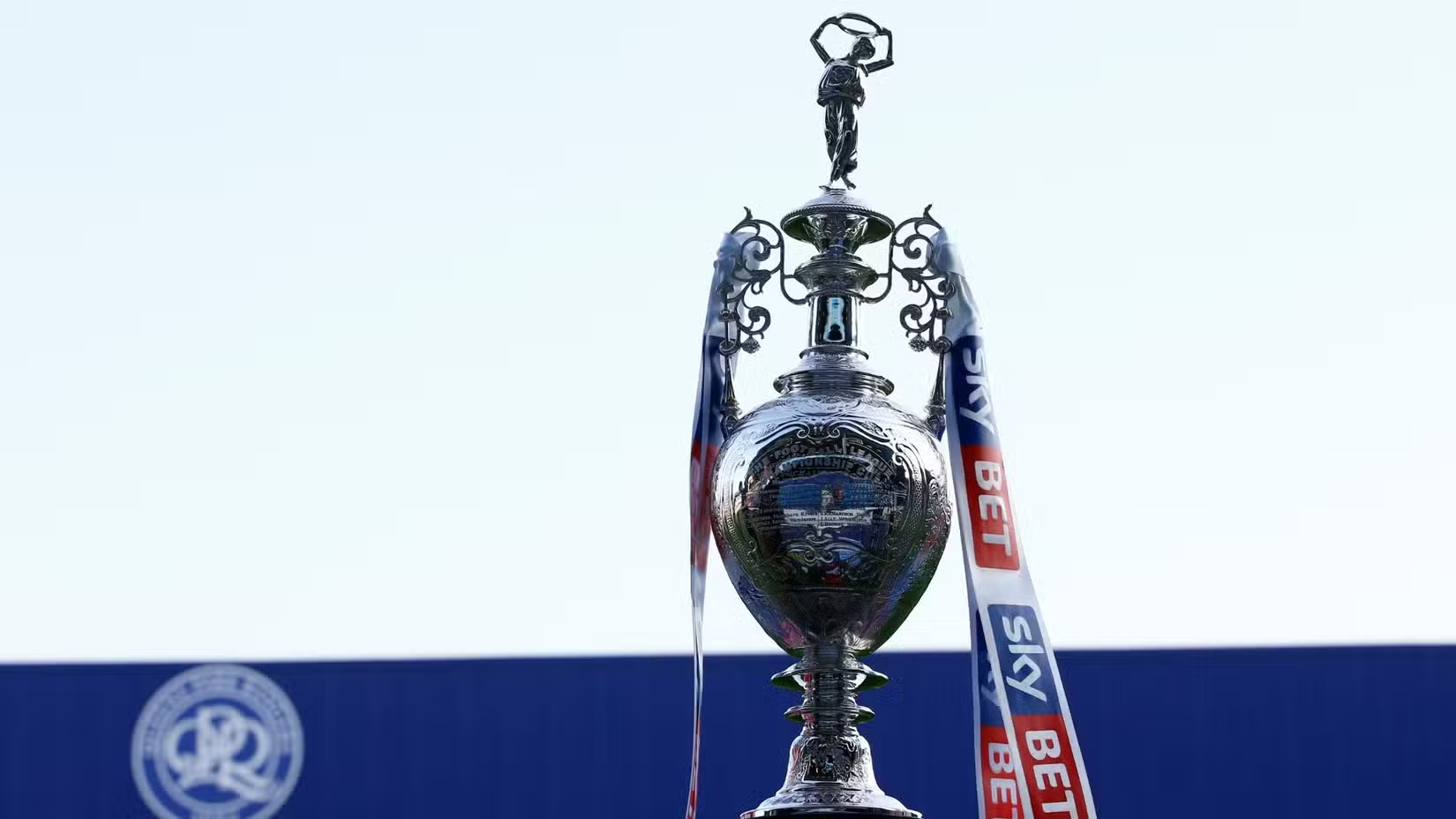
Wednesday’s four league triumphs and three FA Cups are not mere footnotes; they are essential pillars. League championships, especially those from ages when English football was the global benchmark, have great historical significance. United’s history is proud and respected, but Wednesday’s record in terms of outright top-flight victories is more impressive. When “big club” disputes arise, huge awards ultimately form the backbone of the argument, and Wednesday’s trophy cabinet just carries greater weight at the pinnacle of domestic competition.
Longevity on top

Size is more than just peaks; it’s about long-term relevance. Over the course of English football history, Wednesday have spent more seasons in the top level than their city rivals. That matters. Prolonged exposure at the highest level instills a club in the public consciousness. Generations have grown up seeing them compete against the country’s top. Even when success fluctuates, existence alone increases stature — and Wednesday’s historical top-flight longevity emphasizes this sense of scale.
Hillsborough’s size and history
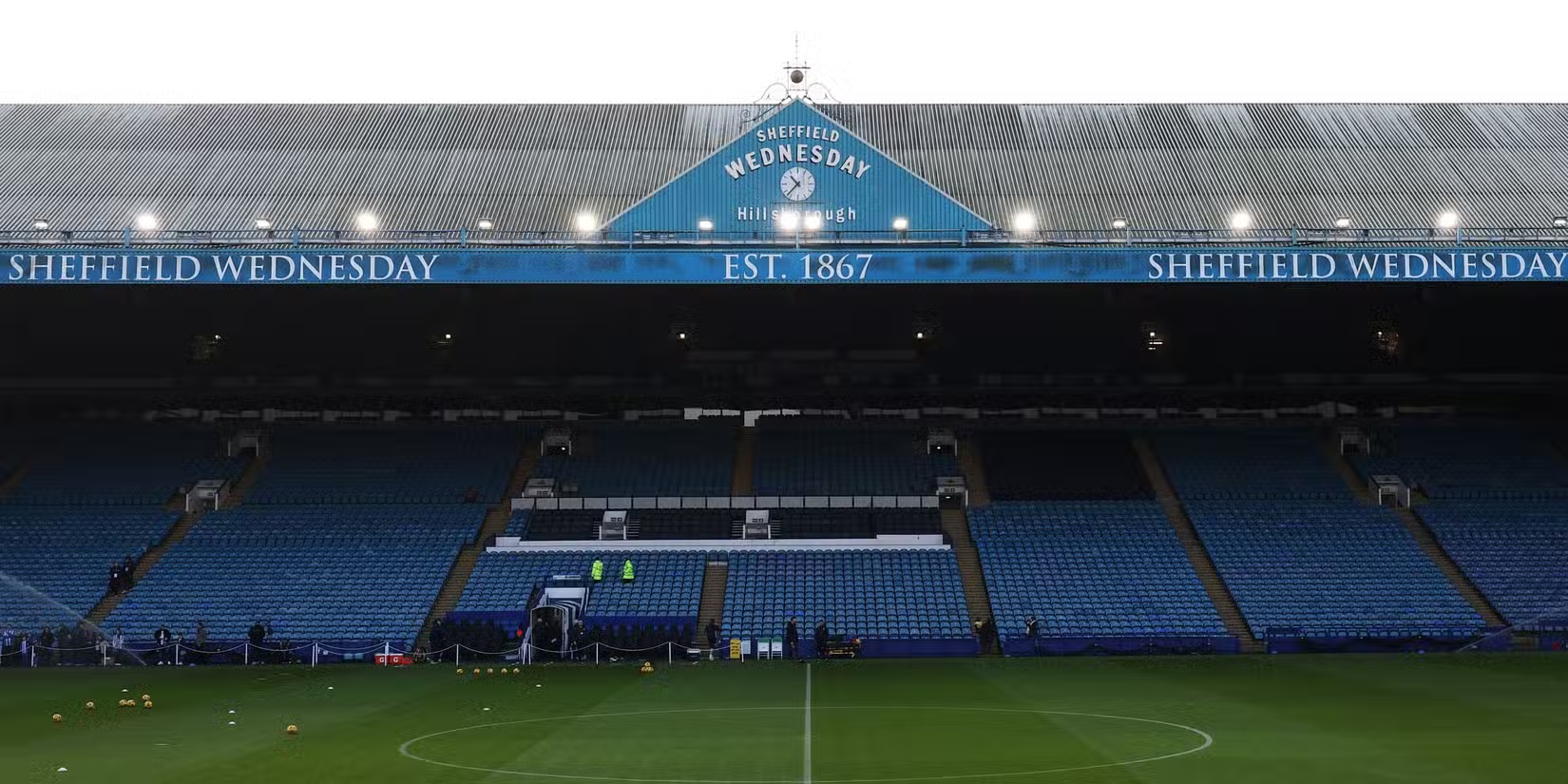
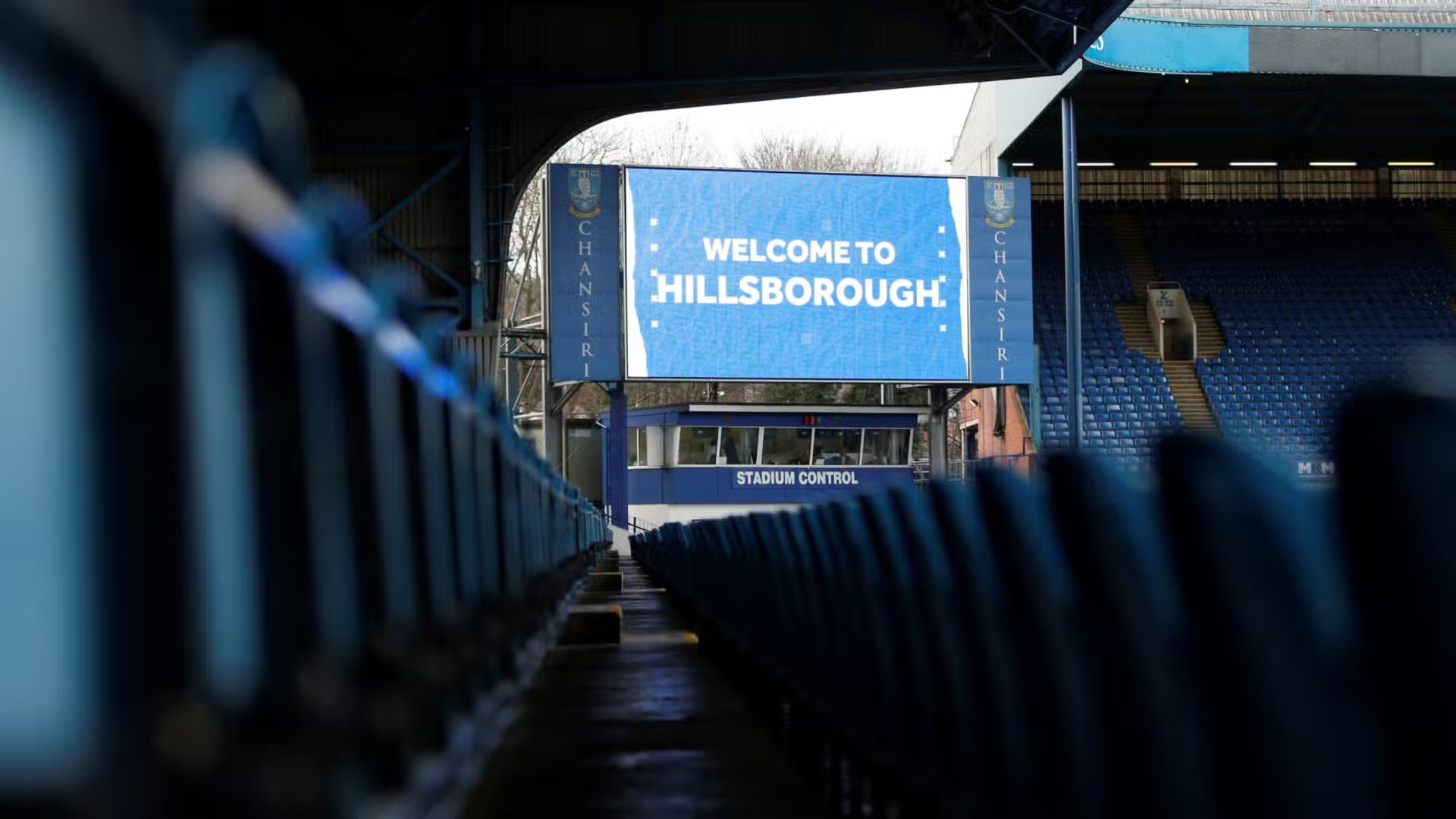
Stadiums shape perceptions. Hillsborough is more than just a football stadium; it is one of the game’s most iconic locations. Wednesday’s aura is enhanced by its capacity, classic architecture, and lengthy history in English football. Major semi-finals were held there for decades. It feels like a stage appropriate for a heavyweight institution. Bramall Lane is significant in its own right, but Hillsborough’s dimensions and association with past games accentuate Wednesday’s “big club” image.
1990s top-tier importance
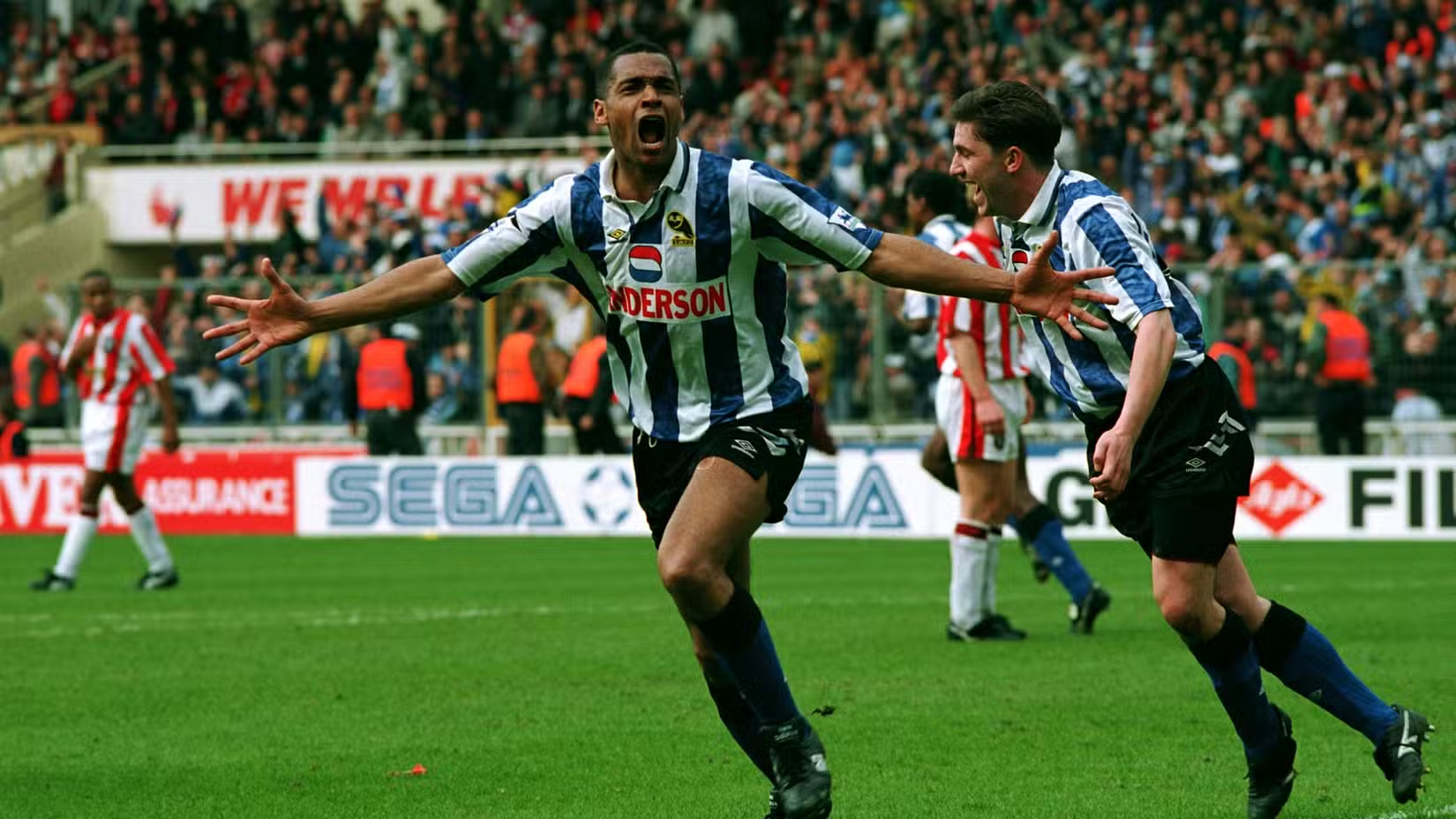
While much of Wednesday’s silverware dates back to the pre-war era, its significance extended beyond that. In the early to mid 1990s, they were a noticeable Premier League force, reaching both domestic cup finals in 1993 and consistently finishing in the top half. That time period is significant because it is still remembered by people today. It bridges the gap between distant glory and the present game, supporting the notion that Wednesday has not only been historically significant, but also relatively recently relevant at the highest levels.
National fanbase reach

Both Sheffield clubs have strong local support, but Wednesday’s success at pivotal historical times helped cultivate a larger national following. League titles and cup victories reverberate beyond the local limits. Supporters are frequently passed down through generations, and Wednesday’s peak eras, combined with extended top-flight exposure, enabled them to establish themselves in houses far beyond South Yorkshire.
Cultural footprint
Beyond titles, Wednesday are an integral part of English football’s larger narrative. Hillsborough’s long-standing function as a neutral location for key matches put the club at the center of significant domestic events. Iconic players, cup runs, and title-winning teams leave a cultural legacy that goes beyond conventional league standings. That consistent presence in the sport’s narrative adds another layer to notions of scale.
Trophy-room story

Silverware still holds symbolic value. Pre-war dominance is often considered as old history, although it was the foundation of English football’s early competitive framework. Wednesday’s success during that era solidified their place as the country’s traditional heavyweights. United’s accomplishments are remarkable, but Wednesday’s historical supremacy remains a defining factor.
Perception of scale
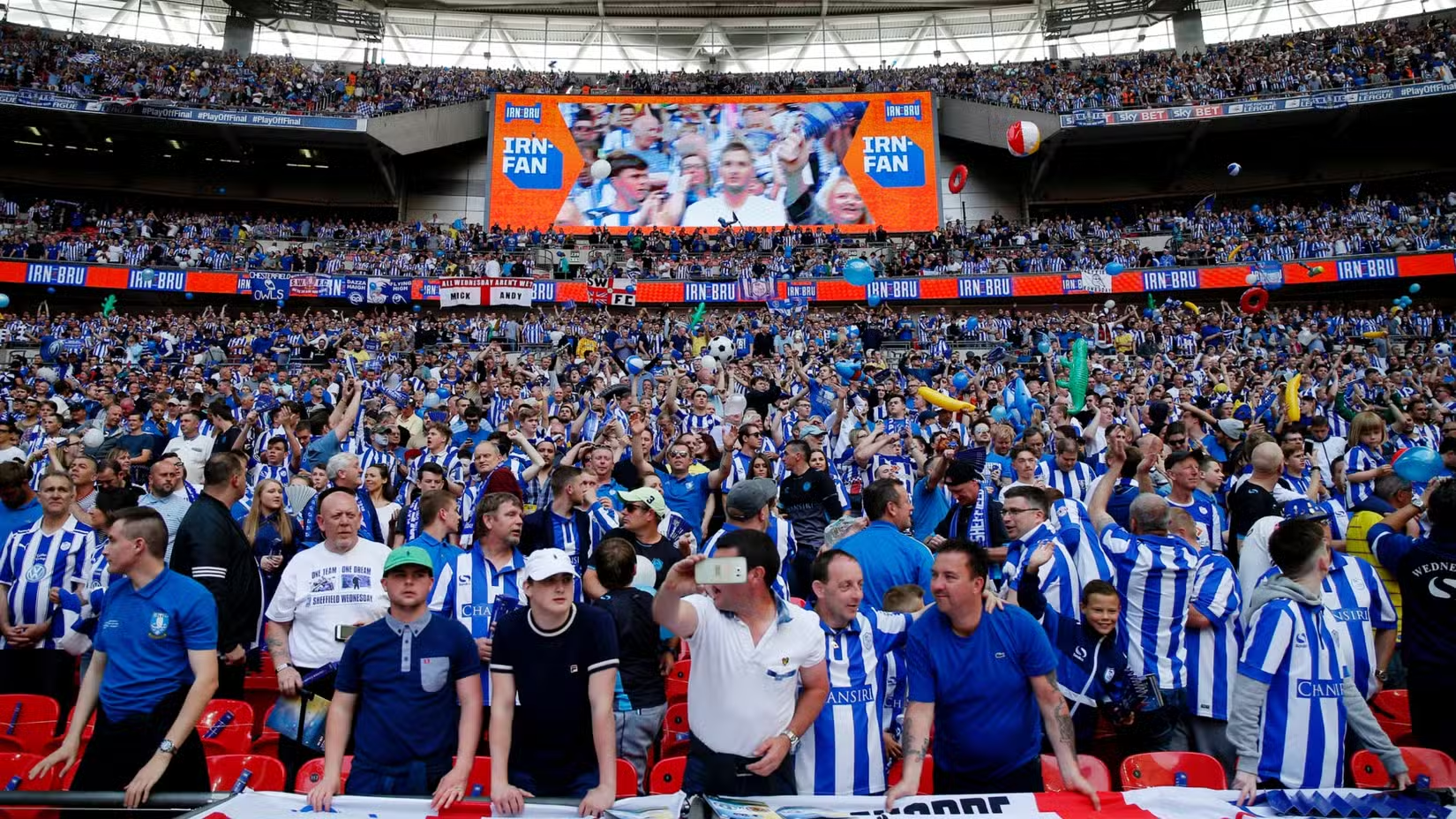
Finally, “big club” status combines fact and feeling. Despite United’s larger Premier League footprint in the twenty-first century, Wednesday’s historical achievements, top-flight durability, and the intimidating presence of Hillsborough combine to produce an enduring sense of enormity. Modern success influences current narratives, but institutional scale accumulates. On a longer scale — spanning generations rather than seasons — the blue-and-white half of Sheffield retains the deeper historical claim.
Sheffield United’s defence is currently bigger than Sheffield Wednesday’s.

Of course, there is a strong counter-argument that Sheffield United is currently the greater club, based on their recent success in comparison to their cross-city rivals. That began at the turn of the 2000, and they have a modern Premier League presence on Wednesday.
Since 2000, United has had seven Premier League seasons and four separate stays, compared to Sheffield Wednesday’s zero. Multiple promotions to the top tier in the twenty-first century, together with a ninth-place result in 2019/20, have increased the Blades’ recent national and global awareness.
Furthermore, they have maintained a higher level of stability for a longer period of time. Of course, Sheffield United spent six consecutive seasons in the League. One, although the main bulk of the last two decades has been spent bouncing between the top two categories, whereas Wednesday has spent several seasons in League One.
They have just experienced their fourth relegation to the third tier since 2003, having spent six seasons there prior to 2026/27, which will be their seventh. In Sheffield United’s justification, competing higher and more frequently improves claims to current status.
In addition, Bramall Lane has witnessed significantly more consistent and stable development, with United’s recruitment and trading models becoming more coherent in recent years. In today’s game, forward momentum can be more important than prior achievements. On that front, Sheffield’s red and white half has got the advantage.
xz