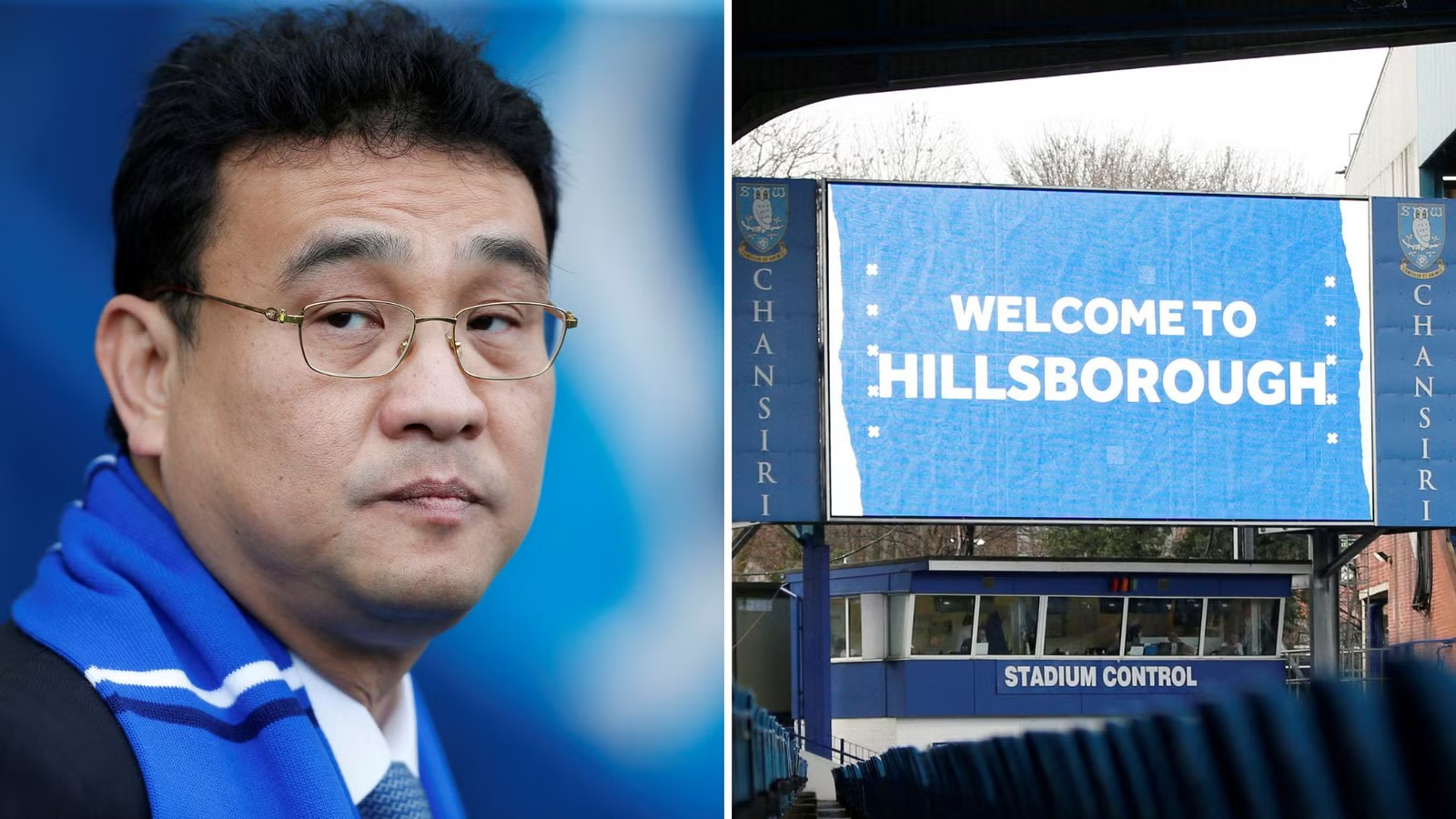
The soon-to-be former owner of Sheffield Wednesday was hoping to cash in on his ownership of the club’s Hillsborough stadium, but the administrators’ involvement appears to have limited this.
If there is one thing that can be said about what occurs when a football team goes bankrupt, it is that certain people and organizations will suffer. Any corporation that goes into administration is effectively admitting defeat.
It is an acknowledgment that they are insolvent – that is, unable to meet their financial obligations as and when they become due – and that doing so is a final alternative before bankruptcy and liquidation.
Many creditors will undoubtedly lose out as a result of this process. Sheffield Wednesday benefits from their status as a football club. EFL rules dictate that in order to avoid a 15-point deduction at the start of the following season, unsecured creditors must be offered a minimum dividend of 25p in the pound, which appears to be satisfied in this situation.
Sheffield Wednesday, however, were not the only company to enter administration on October 24th. Another was S3 Holdings, the business that owns the club’s Hillsborough stadium and was previously held by the club’s soon-to-be former owner, Dejphon Chansiri. But if Chansiri intended to cash in because he also owned the stadium, he may be disappointed on this front as well.
Hillsborough is valued a “fair bit less” by the administrators than by Dejphon Chansiri.
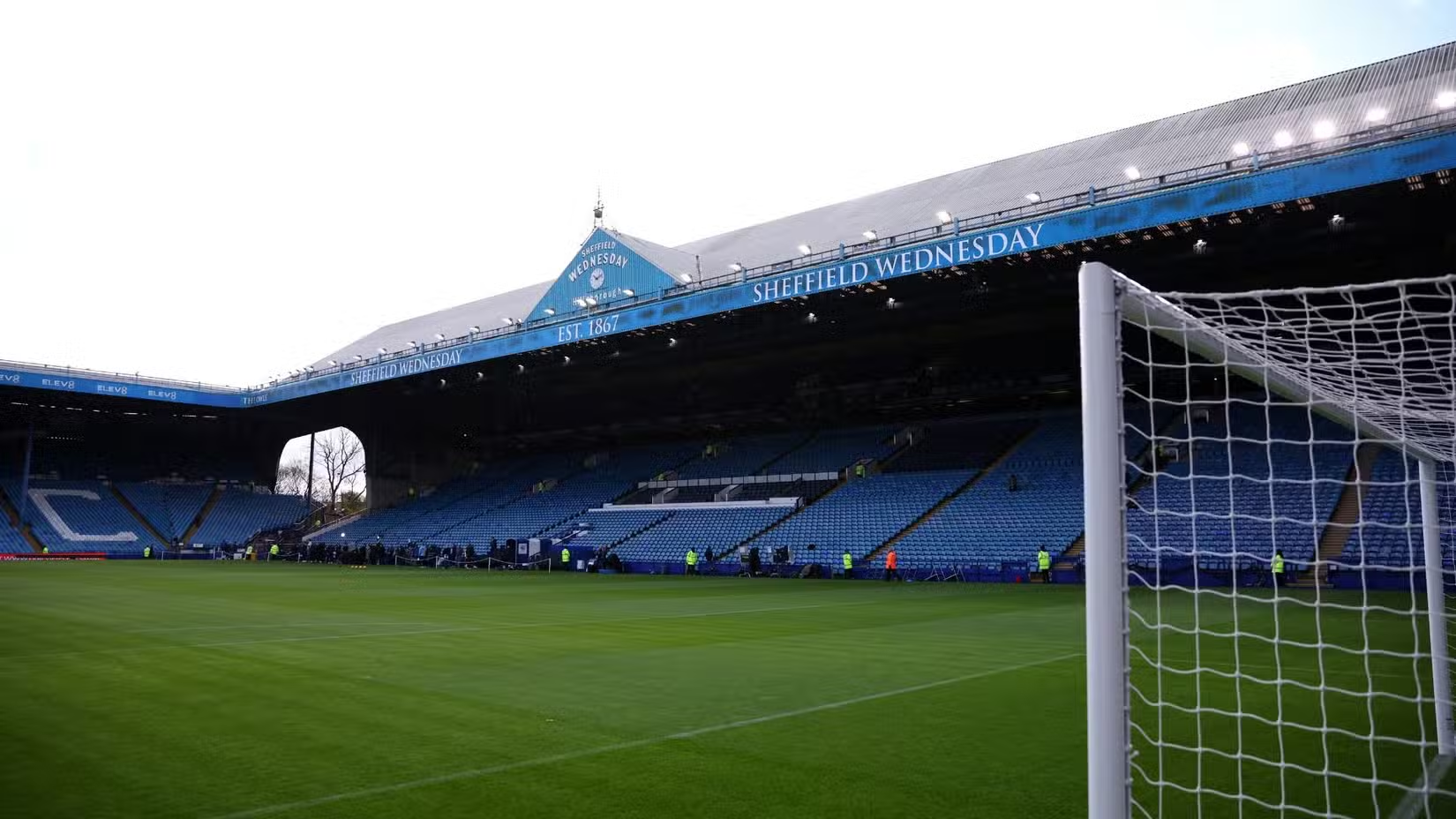
Journalist Alan Nixon revealed on Patreon that the legal process for determining the value of Hillsborough may be designed to thwart Chansiri. He writes that the Thai billionaire had hoped to receive £60 million from the stadium’s sale, but that Begbie’s Traynor, the insolvency professionals working with the administration, achieved a “fair bit less” valuation.
According to Nixon, “the value of the ground is proving a snag with some of the interested parties.” In other words, the sum that those vying to buy the team and stadium value Hillsborough is significantly less than Chansiri believes it is worth. Nixon also claims that “he seems sure to have a claim that stands up” and that the stadium’s valuation and sale are “major issues to be settled.”
“Value” is frequently subjective, and Dejphon Chansiri has a history of getting it wrong when it comes to Sheffield Wednesday.
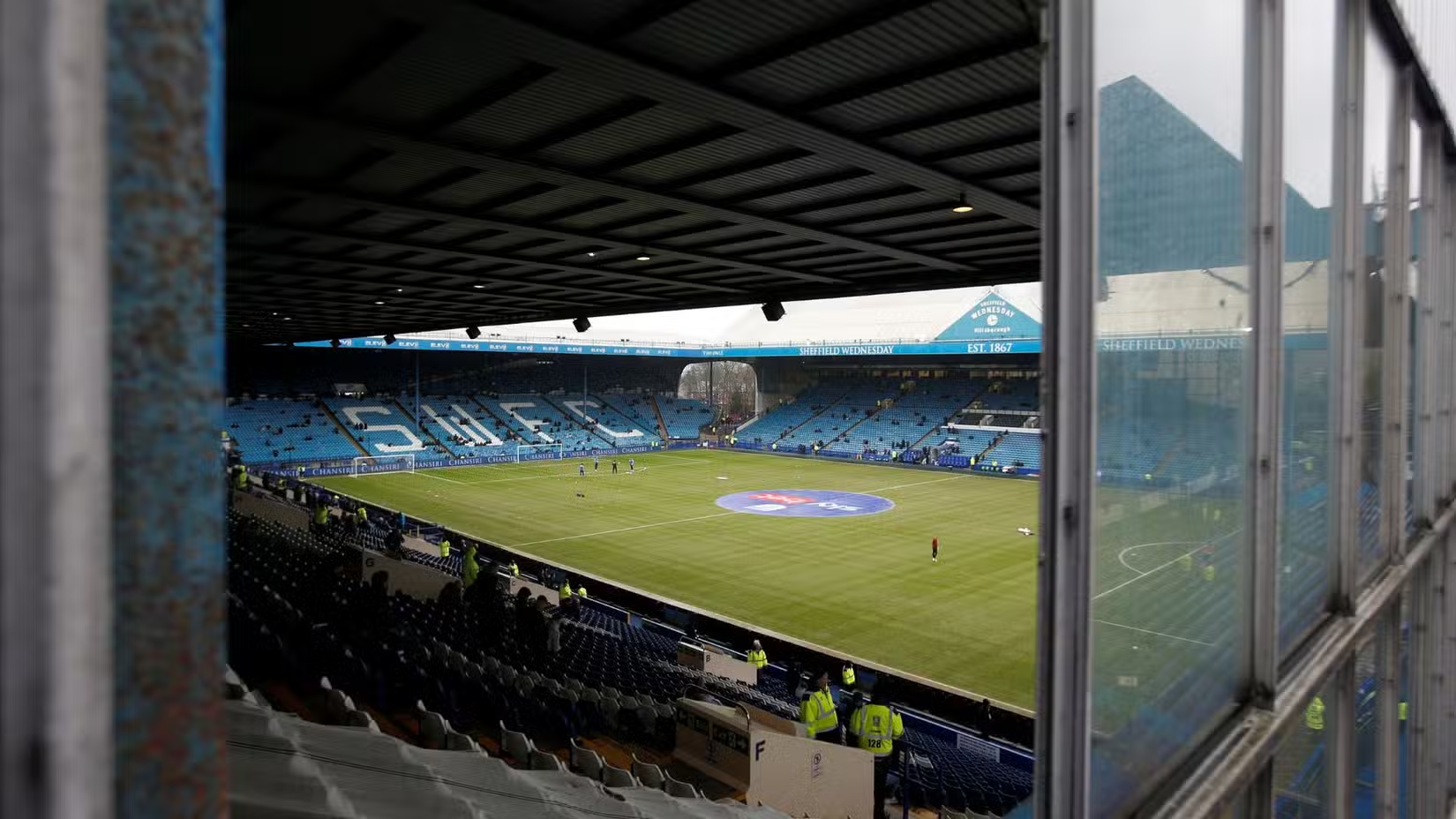
The value of something can be difficult to determine, and it is frequently very subjective. Hillsborough Stadium is in poor condition and requires significant renovations to bring it into the twenty-first century. It is located in a low-value neighborhood of Sheffield, and if sold to a property developer, it will most likely be demolished. In some ways, it may be claimed that it is less valuable than the land on which it is built.
In other ways, it is beneficial. You can’t put a price on what it’s worth to Sheffield Wednesday fans, but pulling it down and building a replacement would cost hundreds of millions of pounds. Value of commercial property is often difficult to define.
However, Dejphon Chansiri has a history of incorrect appraisals for Sheffield Wednesday. Earlier this year, it was revealed that the owner had placed a £100 million value on the club, preventing serious negotiations to sell it from progressing.
It now appears that his valuation of the club included the £60 million that he hoped to recoup from Hillsborough, which corresponded to the amount he paid for it when he purchased it in an attempt to avoid sanctions for the vast financial losses incurred following his financially reckless early years of ownership.
If this is the case, he’ll be in for a rude surprise, because property valuation does not usually function that way. Hillsborough isn’t worth what he bought for it, nor is it worth what he believes he should be compensated for. It is worth what it is today valued at, which may or may not benefit him.
Aside from everything else, the ground is in deterioration due to years of neglect. Any new owner of the club would have to invest a significant amount of money to bring it up to date, which may limit what prospective purchasers are willing to pay for it.
The administrators know what they’re doing and have long-established procedures that they will follow, and while the club’s soon-to-be former owner could challenge their valuation, he would have to present a more compelling argument than they can in order to force them to try to sell it for more. Based on his previous decisions, there is no reason to believe he will be able to.
The most likely consequence is that Dejphon Chansiri will have to accept a “fair bit less,” but the first law of investment risk is that the value of your investment can always fall as well as rise.
xz