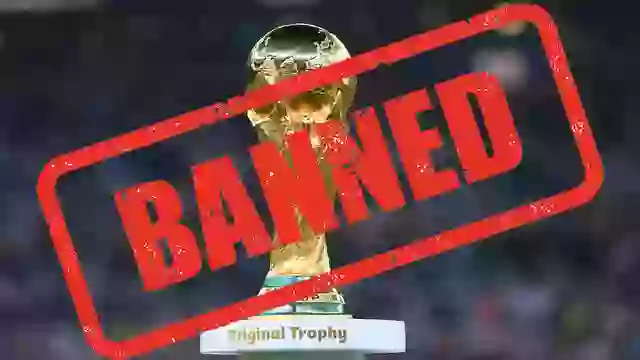
The three countries were all barred from competing in the World Cup, with the United Nations intervening.
Three countries have been barred from competing in the World Cup for political grounds, following UN sanctions.
Russia is currently suspended from international football and has instead played unofficial friendly matches against Belarus, Nigeria, Zambia, and Grenada in recent times.
FIFA and UEFA announced the suspension in May 2022, citing the invasion of Ukraine and a number of European associations’ refusal to play Russia.
Russia filed an appeal with the Court of Arbitration for Sport but was unsuccessful; nevertheless, The Independent reported in March that “moves are currently underway to get Russia back into football.”
For a variety of reasons, eight countries have been barred from competing in qualifying for the 2026 World Cup in the United States, Mexico, and Canada.
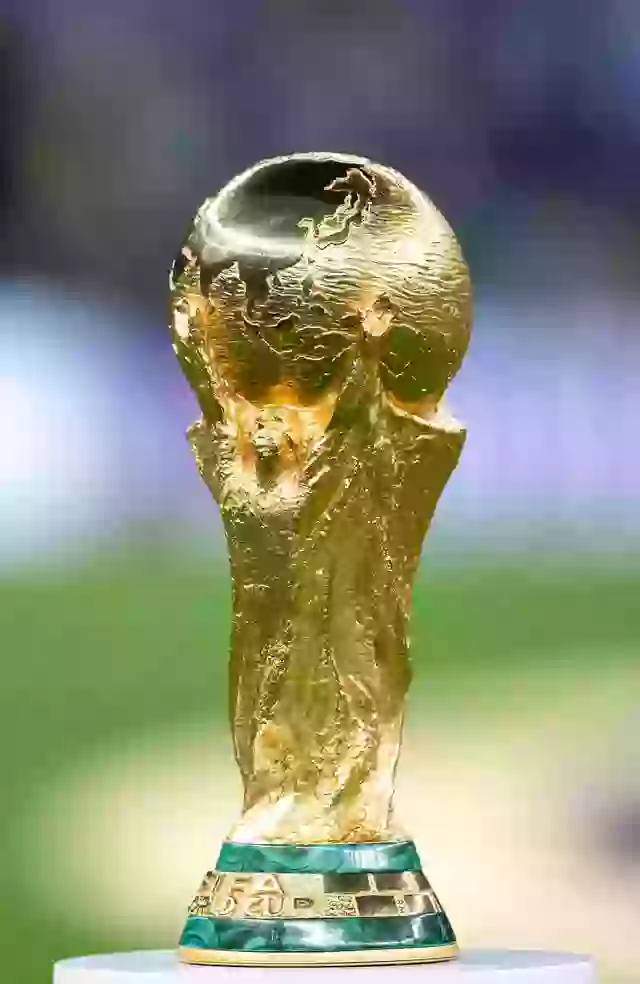
Many World Cup bans have been for football-related reasons, such as Mexico in 1990 for playing overage players at the World Youth Championships and Japan in 1950 for missing payments.
Only three, however, have been barred from competing in the World Cup due to political reasons.
Russia
Russia, who hosted the 2018 World Cup, was barred from hosting the 2022 and 2026 championships due to the Ukraine invasion and the fact that England, Poland, and Sweden have stated their refusal to play them.
The ban includes youth and women’s teams, as well as the European Championships, and Russian teams are also barred from competing in UEFA competitions.
In 2022, Russia advanced to the World Cup qualification play-offs, but their match against Poland was cancelled, and their opponents gained a bye to the next round.
Yugoslavia
Following Yugoslavia’s dissolution in 1992, the Federal Republic of Yugoslavia was barred from competing in international football due to United Nations sanctions.
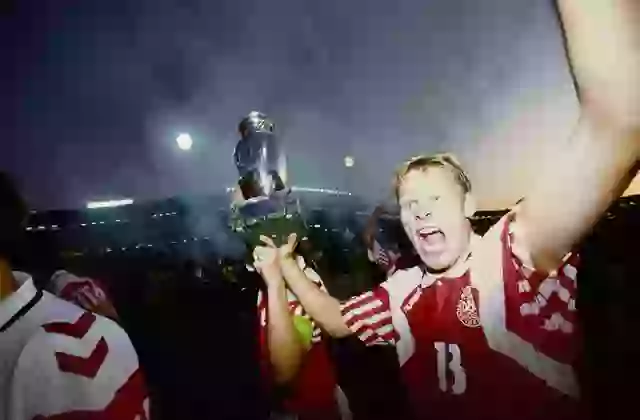
They had finished first in their qualifying group for Euro 92, but were suspended just 10 days before and replaced by Denmark, who went on to win the competition. The ban included qualification for the 1994 World Cup, and when it was removed, the union of Serbia and Montenegro retained the name before being renamed in 2003 and qualifying for the 2006 World Cup with that title.
Both would eventually attain complete independence and compete as distinct states.
South Africa
South Africa, the second World Cup host, staged a great football festival in 2010, but they were outlawed by FIFA in 1961 during the racist apartheid era.
The ban was overturned in 1963 after a visit from then-FIFA President Stanley Rous, and there was talk of the South African FA fielding an all-white team in the 1966 World Cup and a team made entirely of back players four years later.
The suggestion was rejected, and the South African Football Association was suspended by FIFA in 1965 before being expelled two years later when Joao Havelange became FIFA president.
Their reinstatement occurred in 1992, and they went on to win the Africa Cup of Nations in 1996.
xz