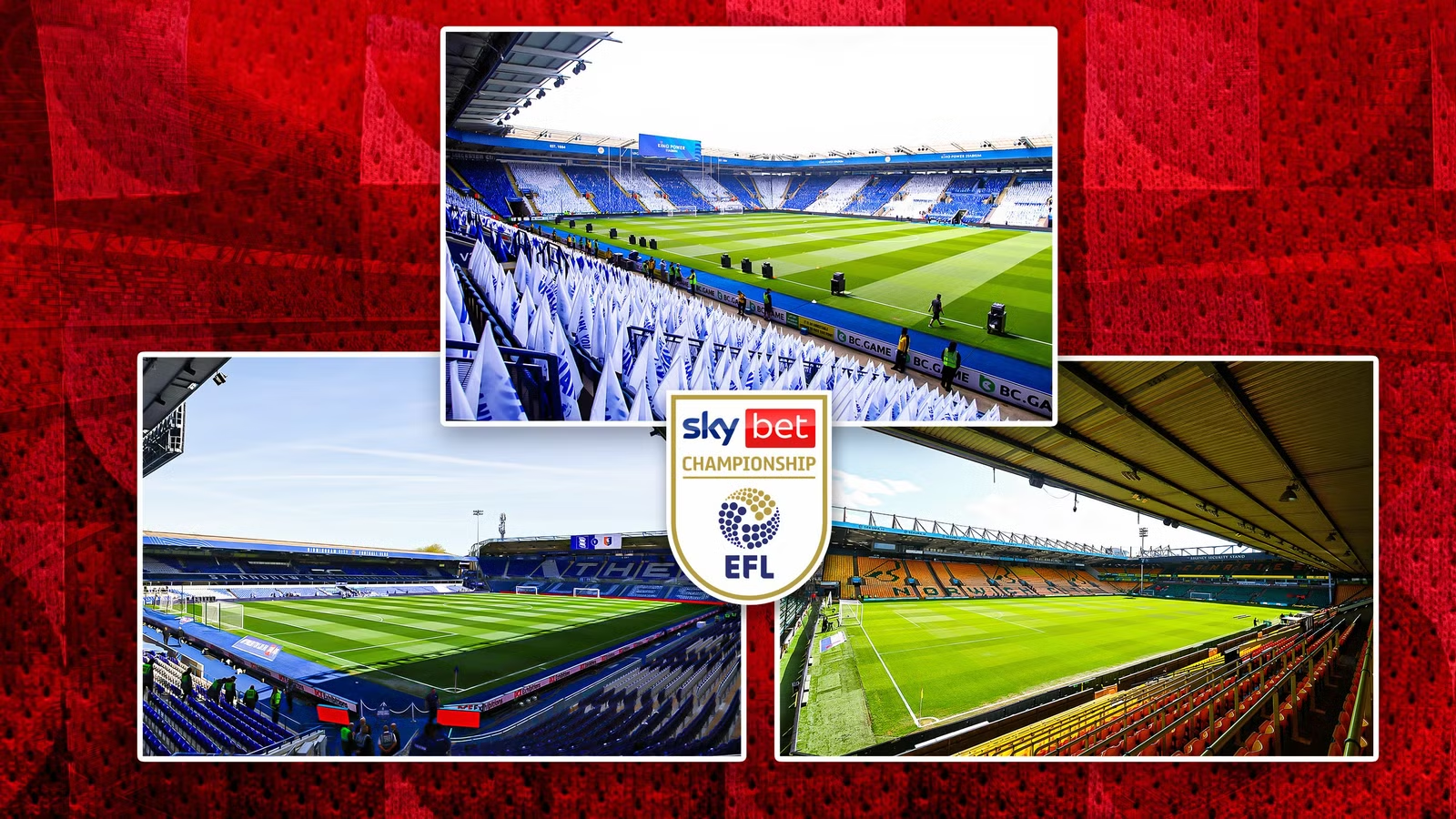
Some English football fans prefer that their clubs remain in the EFL Championship rather than go up to the Premier League because of the sense of community and passionate environment. The second tier delivers plenty of unpredictability and cross-city rivalries.
It also has some of the most famous stadiums in history as a result of the mix of clubs that are either relegated or promoted. Take, for example, Leicester City’s contemporary King Power Stadium, which can seat over 32,000 people; the Foxes’ home stadium feels like a major venue.
That certainly is not the case for Oxford United, whose 25-year hiatus from the Championship was highlighted by the paucity of progress at Kassam Stadium last season. It’s no surprise that the Yellows are planning to build a new stadium.
Having said that, we’ve entrusted the AI tool Grok AI with examining and ranking each of the 24 sites that will host Championship games this season. Only one of last season’s relegated clubs made the top five.
24St. Andrew’s – Birmingham City
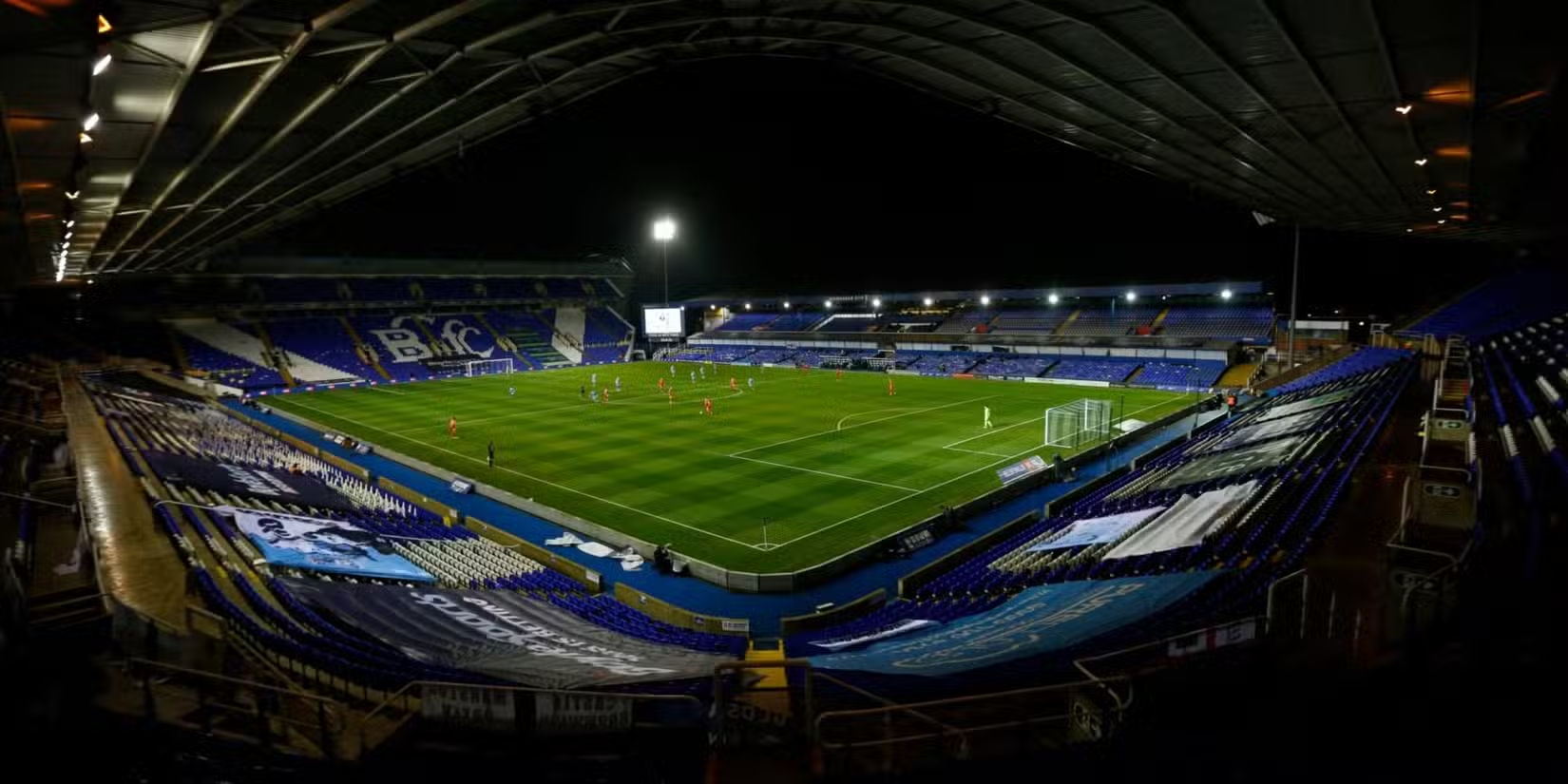
Capacity: 29,409.
Reason: Ranked lowest owing to maintenance concerns and an inconsistent matchday experience, despite “good bones” and old-school charm. Neglect obscures its historical significance.
Note that Birmingham’s League One success does not improve the stadium’s condition.
According to Grok, Birmingham City’s St Andrews Stadium is the poorest in the EFL Championship, and this is due to a lack of development since the 1990s. It has witnessed many of the club’s most memorable moments, including classics from the Second City Derby.
As soon as Tom Brady became a minority owner, the West Midlands club knew they needed to address their outdated stadium. Chris Davies’ team is set to relocate into a new 60,000-seat stadium within the next five years.
23MKM Stadium – Hull City
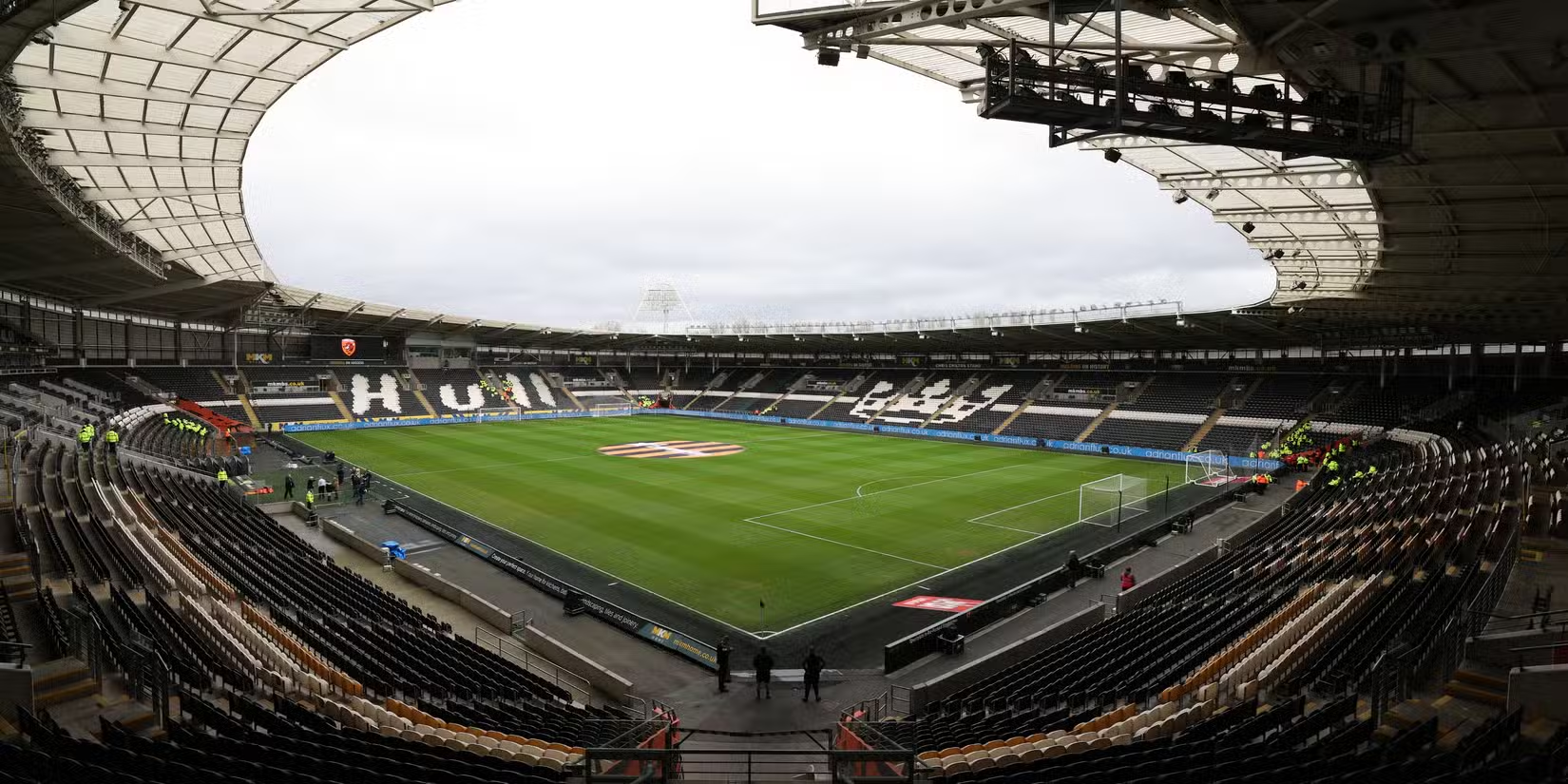
Capacity: 25,586.
Reason: It was chastised for its sterile, multi-purpose design, which included a flat environment and distant stands. Lacks the closeness of football-focused stadiums.
Note: While attendance has increased under new management, architectural issues remain.
MKM Stadium (formerly known as KCOM Stadium until 2016) is well-known for hosting Hull City’s Premier League debut. However, it has problems. One example is that the Tigers share a pitch with rugby league team Hull FC, which can cause wear and tear on the surface.
Fans of East Yorkshire can recall some wonderful experiences, such as witnessing Jimmy Bullard be a comic genius in England’s top flight. However, its atmosphere has long been questioned, and many fans wish it was as central to the Hull community as their previous home ground, Booothferry Park.
22Fratton Park – Portsmouth
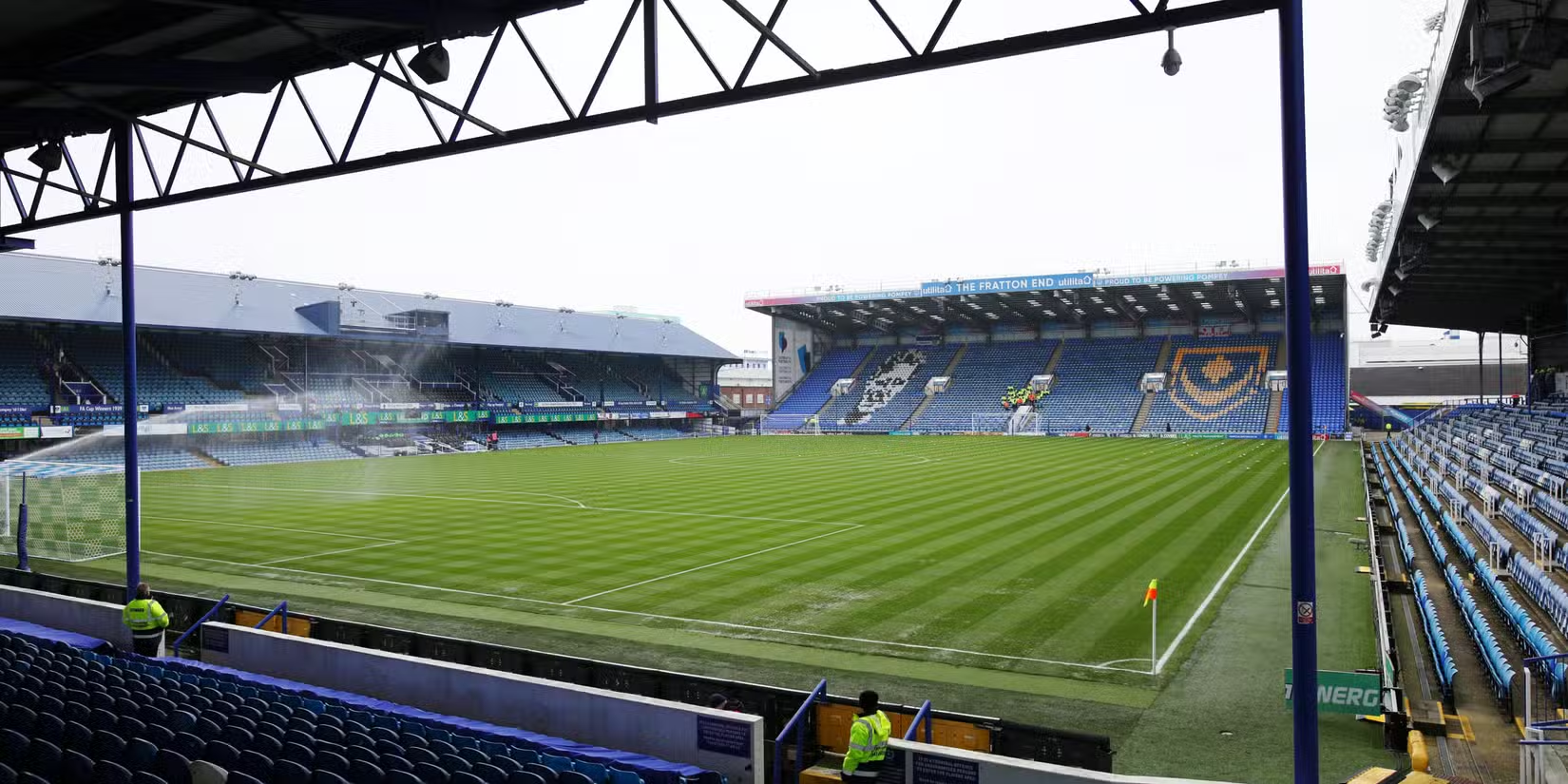
Capacity: 20,688
Reason: The “Pompey faithful” produce an electrifying atmosphere, but the stadium’s old, “tired” infrastructure drags it down.
Its devoted audience helps to mitigate its low rating.
Portsmouth arguably has one of the most passionate supporter bases in the country. In fact, they were among the finest during their Premier League tenure. However, not even the loud noise of the Fratton End can conceal the obvious lack of modernization that should come with Championship play.
Nonetheless, Pompey’s stadium is steeped in the club’s history and one of the oldest in English football. The owners of the south coast side may have this in mind when they embark on redevelopment plans rather than demolishing the structure and erecting a new fort.
21Ewood Park – Blackburn Rovers
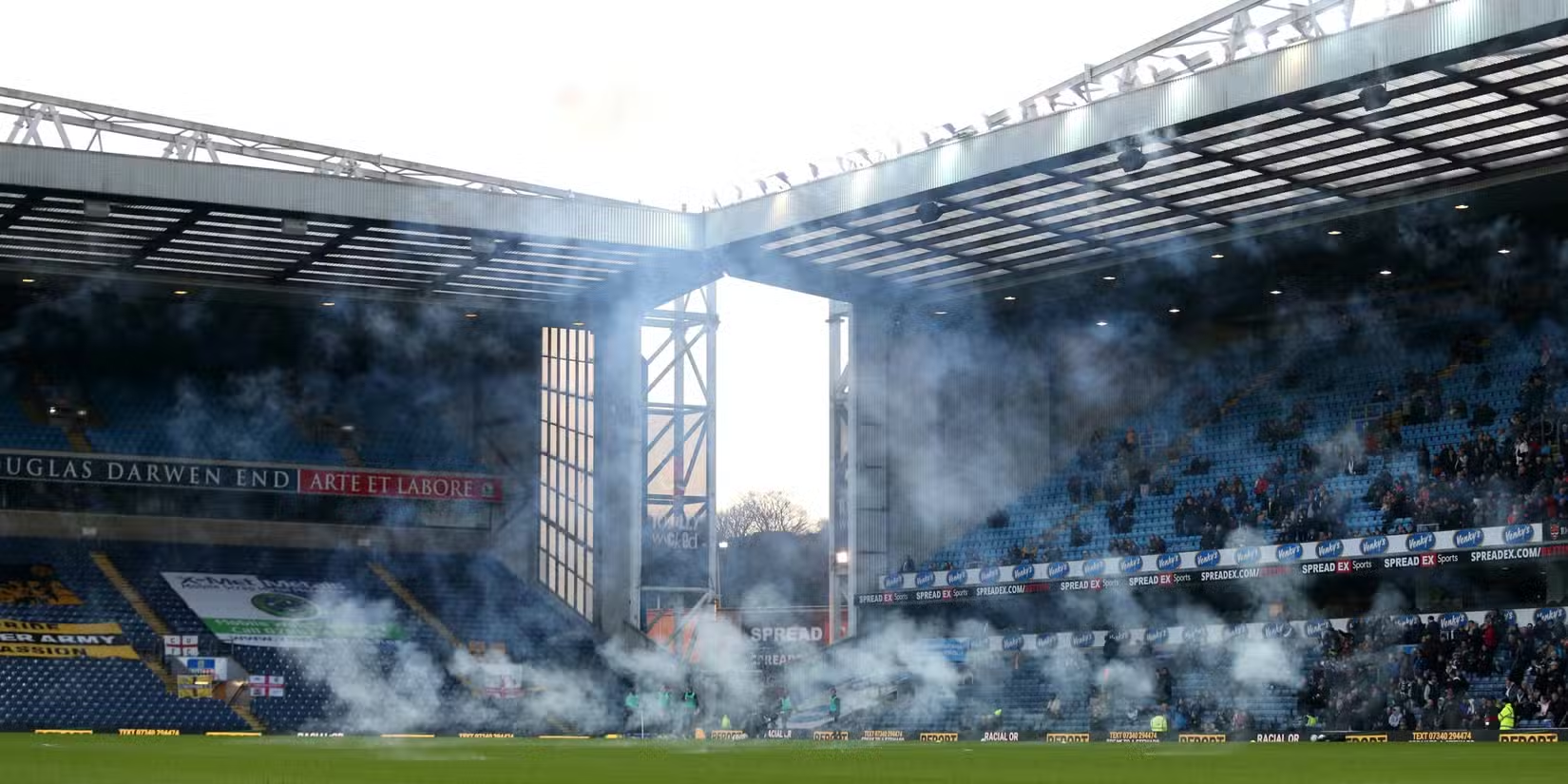
Capacity: 31,367
Reason: Too huge for contemporary requirements, with a peaceful atmosphere and a “air of decline.” The Darwen End makes noise, but it feels old.
Note: Higher capacity elevates it above smaller grounds, but vibration difficulties keep it low.
Blackburn Rovers’ Ewood Park is another example of an outmoded stadium, despite the fact that the name alone screams ‘Barclays’ Premier League. It’s been 13 years since Rovers were in the big leagues, and it doesn’t appear that Valerian Ismael’s side will be fighting for promotion this season.
Grok has questioned the stadium’s atmosphere and discussed its decline, although it remains a vital element of the city. Its proximity is advantageous, but you may not want to risk driving to the site too close to kickoff.
20The Valley – Charlton Athletic
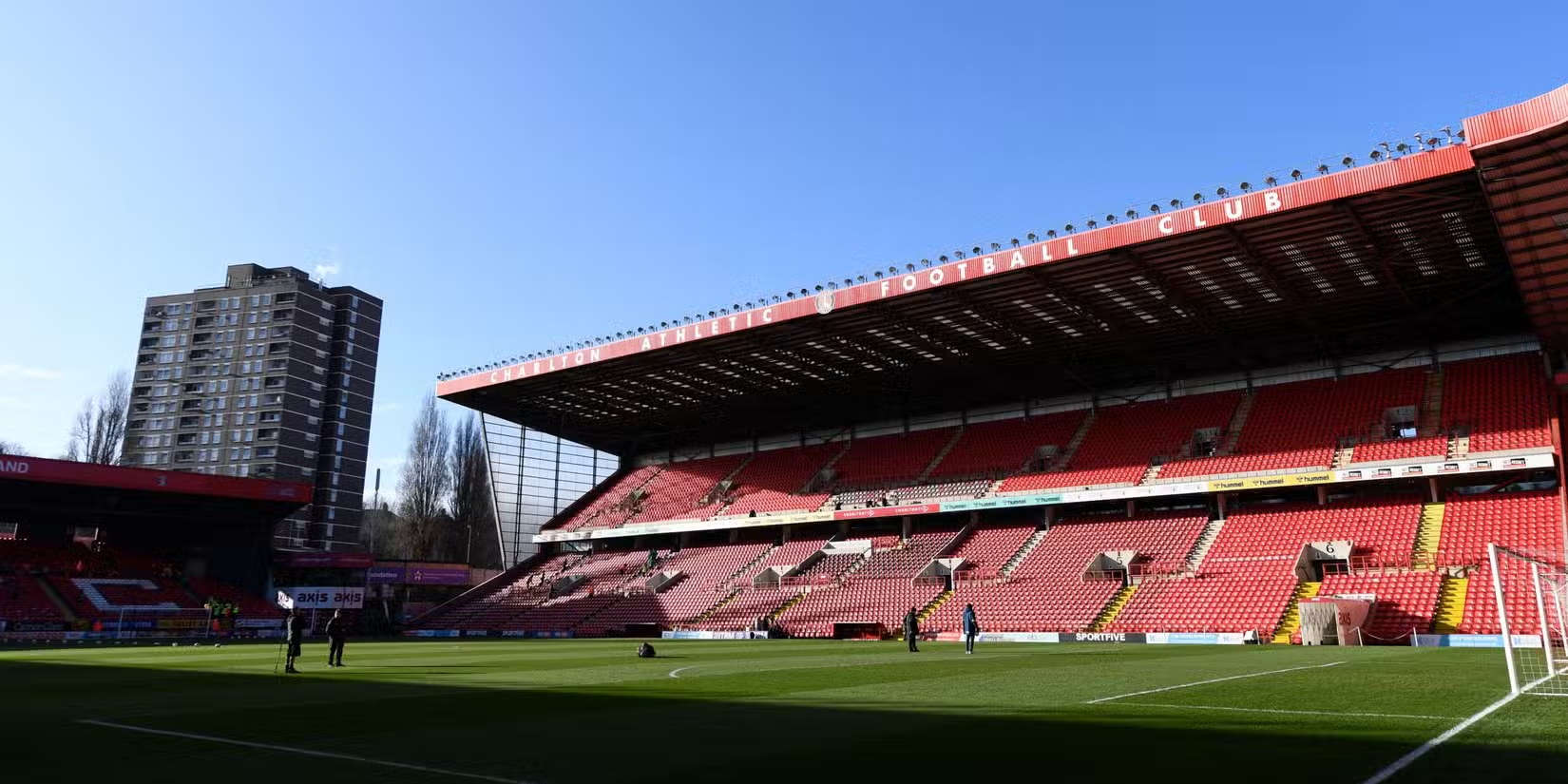
Capacity: 27,111
Reason: Criticised for a “tired design” and “lack of buzz” as a result of off-pitch instability and unpredictable crowds. It’s not as hostile as it formerly was.
Charlton’s promotion may increase the atmosphere slightly.
Alan Curbishley’s days of managing his Charlton Athletic squad from the Valley touchline are over, and his absence from the Premier League has had an impact. Grok’s main faults originate from its atmosphere, albeit this could be due to concerns about its amenities, such as the quality of the beer.
It has an old-school feel, and the red seating is appealing at first glance, while its location makes it convenient for fans in the region. There have been claims of restricted legroom, but a tight mid-table squeeze would be a good result for Nathan Jones’ Addicks.
19Kassam Stadium – Oxford United
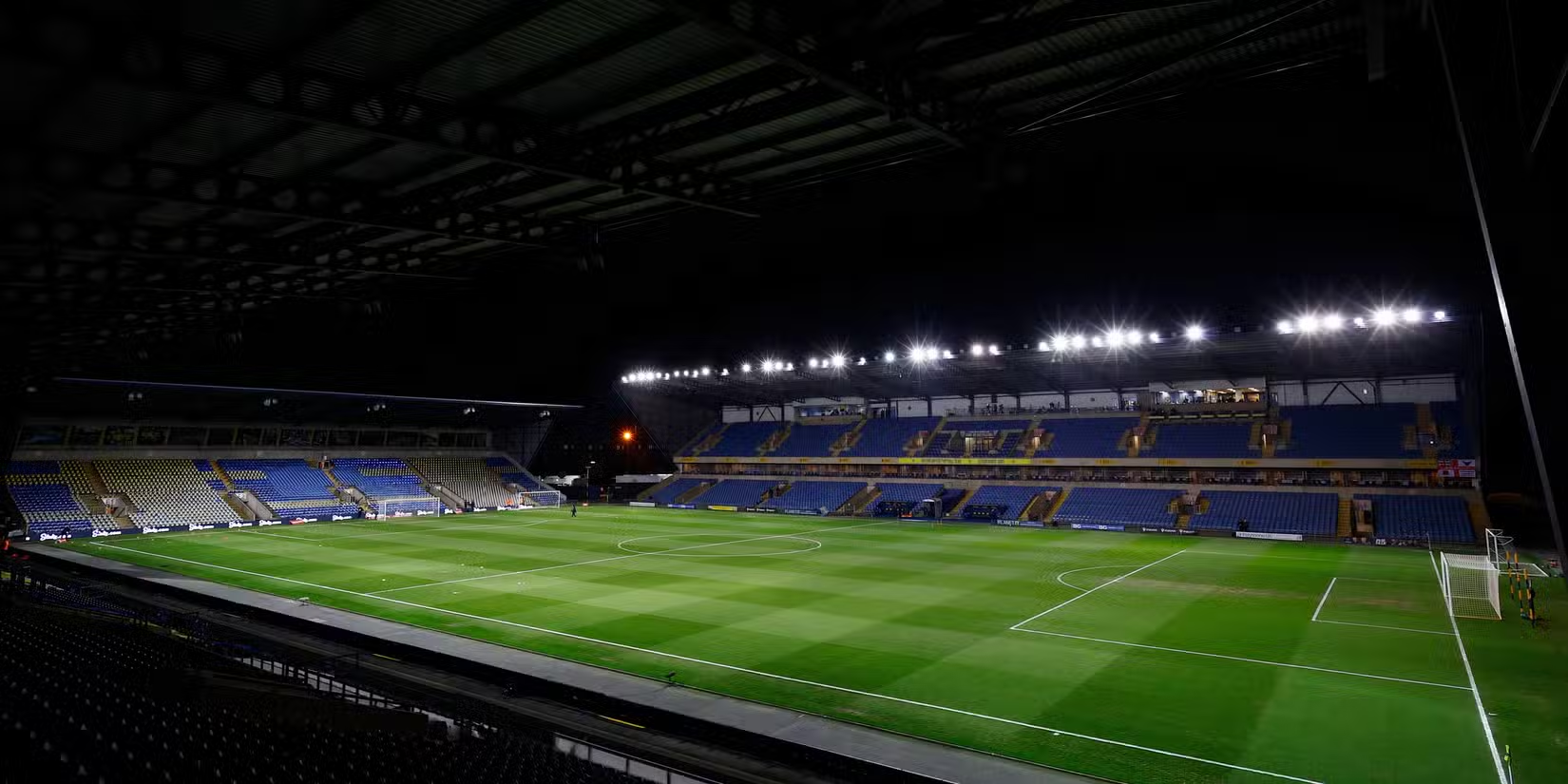
Capacity: 12,500
Reason: As one of the smallest stadiums, its three-sided architecture and modest amenities place it low. It is listed here due to its limited capacity and lack of modern appeal (assumed, given it is not officially ranked).
Oxford’s Championship return illustrates the team’s tiny but committed setup.
Oxford United’s Kassam Stadium has a distinct appeal due to its three-sided peculiarity, and it feels incomplete, exemplifying “football culture”. It hosted the U’s 3-0 triumph over Wycombe Wanderers in 2016, which clinched promotion in front of its devoted supporters.
They should make the most of their time with it, though, because a relocation to a new 16,000-capacity home could be in the works. Its development director claims it will be a “world-class venue,” but will it be as memorable as Kassam?
18Loftus Road – Queens Park Rangers
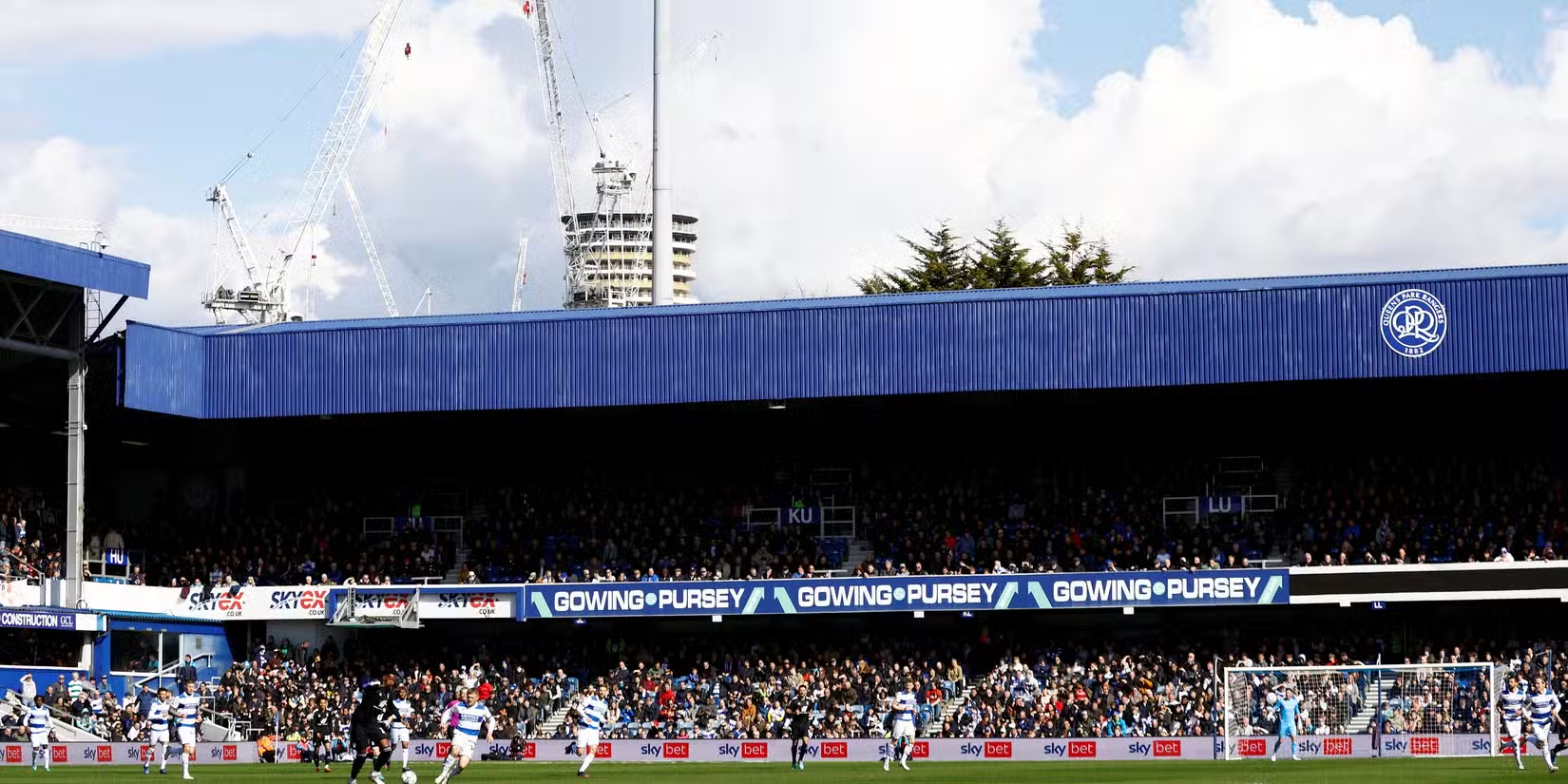
Capacity: 18,439.
Reason: Compact and historic, yet critiqued for confined conditions and outdated facilities. In comparison to larger sites, there are fewer modern amenities.
Note that QPR’s long championship run adds character but not enough to boost it.
Loftus Road is modest and intimate, constantly providing a matchday feel reminiscent of gritty English football. Fans are right in the heart of things from whatever seat they choose, while legroom can be a concern.
The Hoops spent the whole of last season in a tiny and tight mid-table position, and Julian Stephan will hope the Loftus Road Stand gets behind
17Vicarage Road – Watford
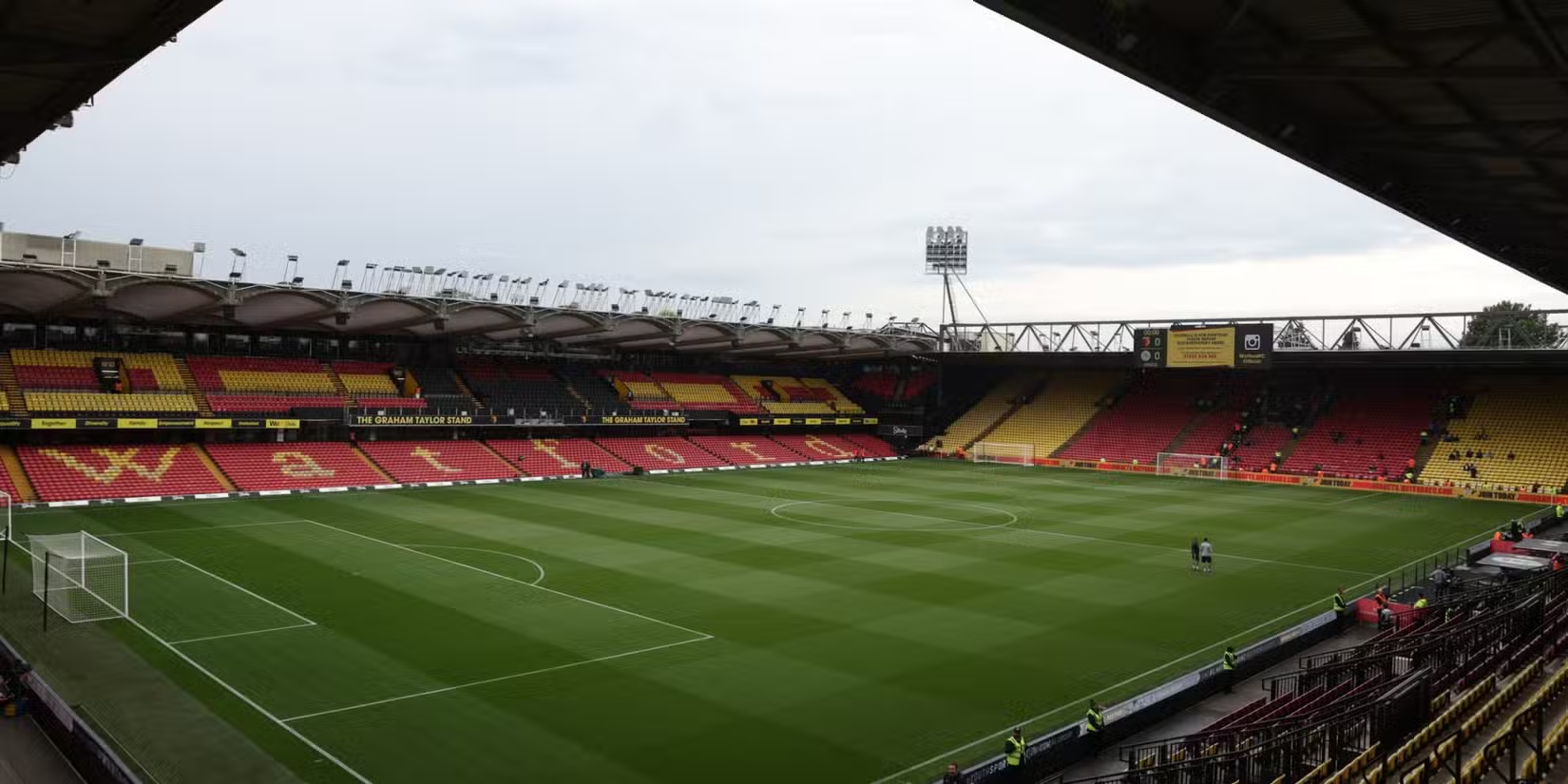
Capacity: 22, 200
Reason: Functional yet unremarkable in mood, having no unique atmosphere or design. Its mid-tier position stems from the AI’s low rank.
Watford’s yo-yo history indicates strong but unspectacular ground.
Fans watched the craziest moment in Championship play-off history at Vicarage Road in 2013, when Jonathan Hogg found Troy Deeney, advancing the Hornets to the final. Supporters were ecstatic, and their cheers were undoubtedly audible throughout the streets and down the Yellow Brick Road.
Grok describes it as “solid but unspectacular,” highlighting the club’s ongoing flirtation with top-tier football. But the red and yellow seating stands out, almost like a Spanish stadium, and the Rookery Stand is constantly hopping. Perhaps it makes sense to move up a little.
16Deepdale – Preston North End
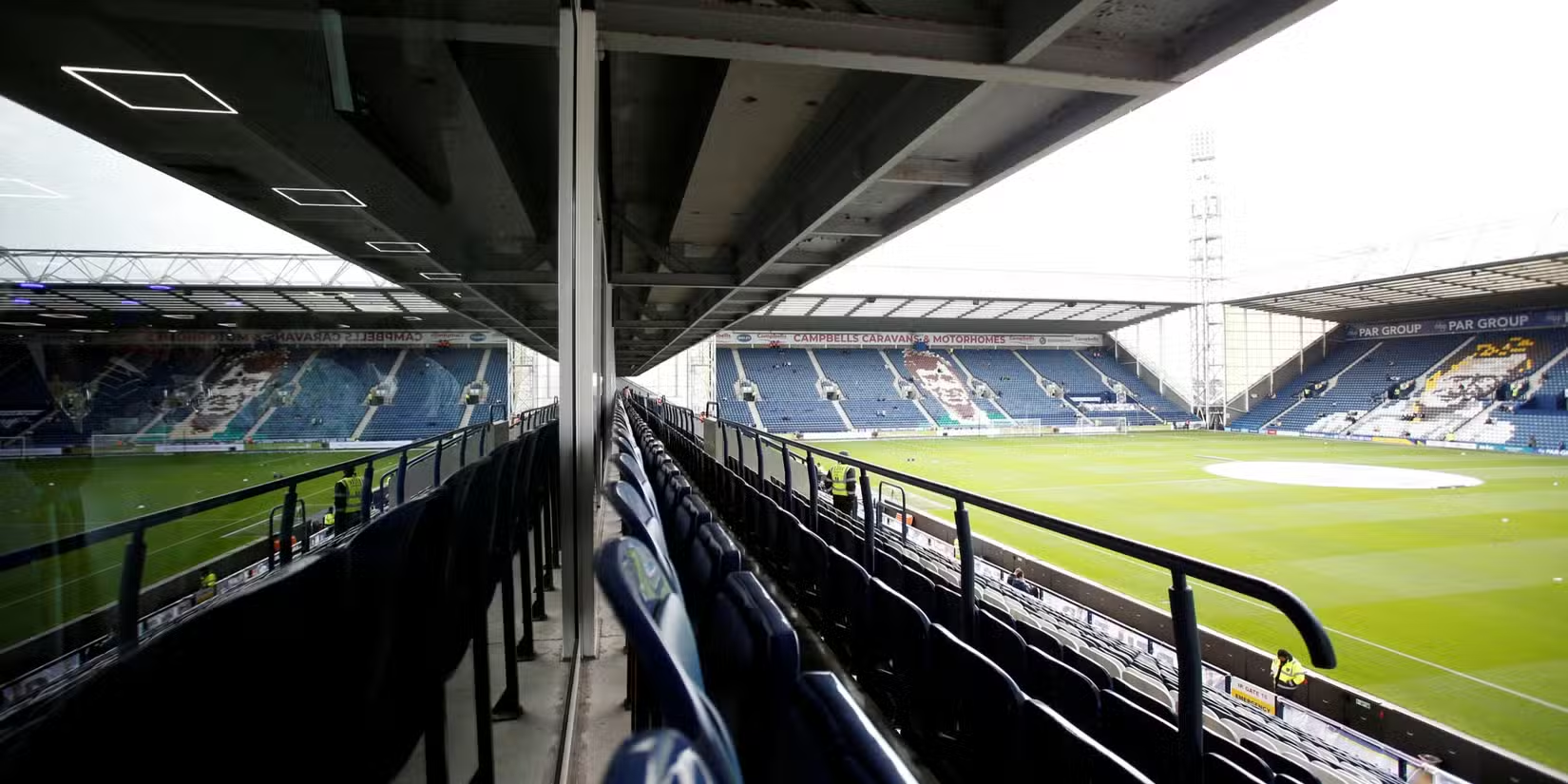
Capacity: 23,404
Reason: Despite the “beautiful” kit design, it was criticized for its unimpressive design and feel. It lacks the liveliness of high-end venues.
Note that the mid-range capacity keeps it in the bottom half.
Deepdale has been in operation since 1878, therefore it’s logical that it’s one of English football’s most historically significant venues. The Sir Tom Finney Stand and the Bill Shankly Kop pay tribute to football icons.
According to Grok, it lacks the grandeur of premier stadiums, but its atmosphere is worth admiring. That could be due to the Lilywhites’ decade-long spell in the second division, with fans certainly yearning to compete in the Premier League.
15The Den – Millwall
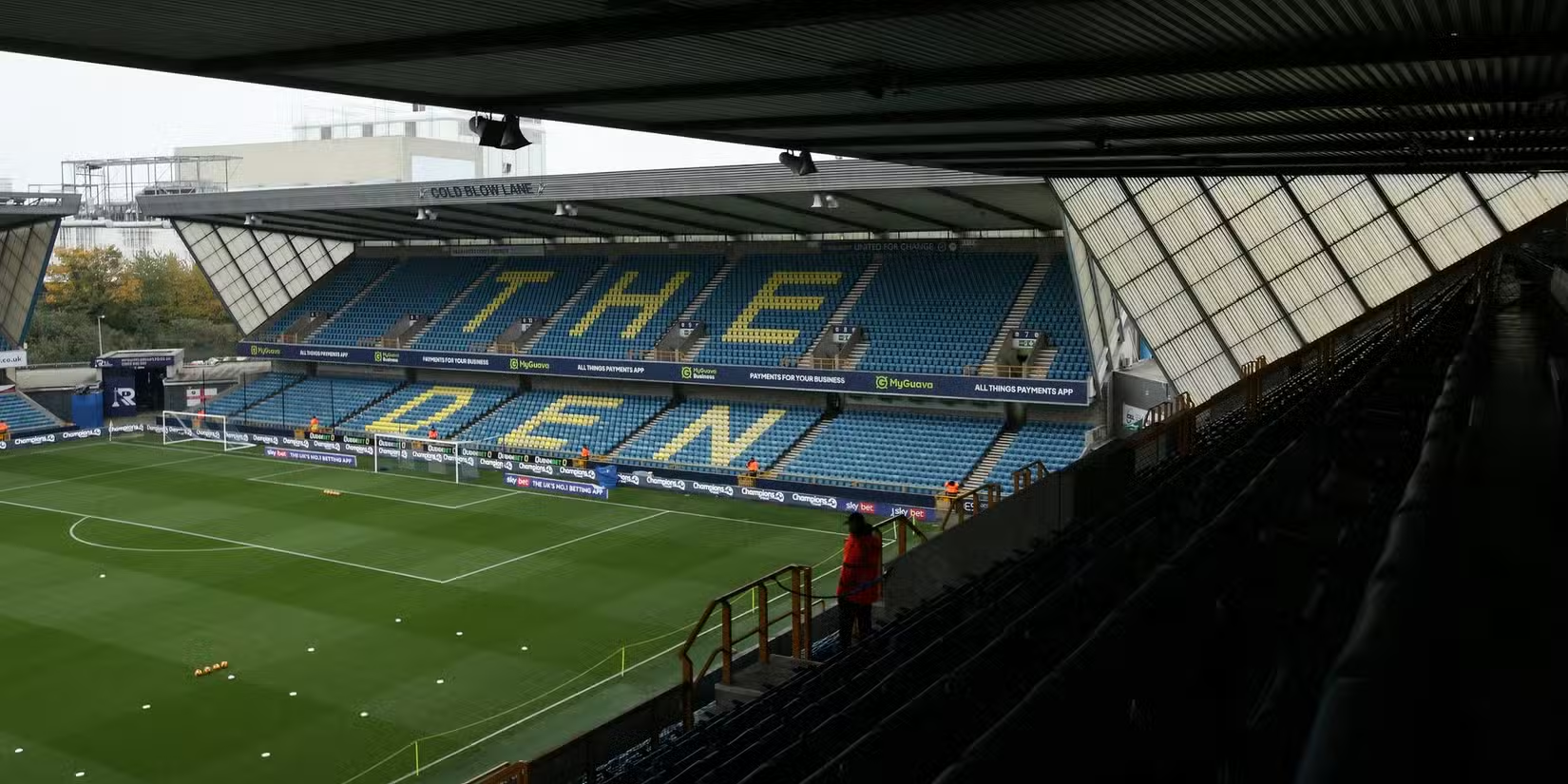
Capacity: 20,146
Reason: Known for its menacing aura, but antiquated facilities and location concerns keep it low. Its modest size limits its popularity.
Millwall’s fervent fans give it a tiny advantage in the worst 12.
A journey to the Den is always a terrifying prospect for visiting players and fans, who face one of the most antagonistic sets of supporters in the country. It has a lot of personality, and its moniker is a fitting depiction of the fierce clashes that generally occur when Millwall plays on home turf.
Its infrastructure does not impress Grok, and its South Bermondsey location is close to central London yet surrounded by an unpleasant industrial environment. The Lions’ stadium isn’t what it once was, but its fans won’t mind if Alex Neil’s team performs well this season.
14Swansea.com Stadium – Swansea City
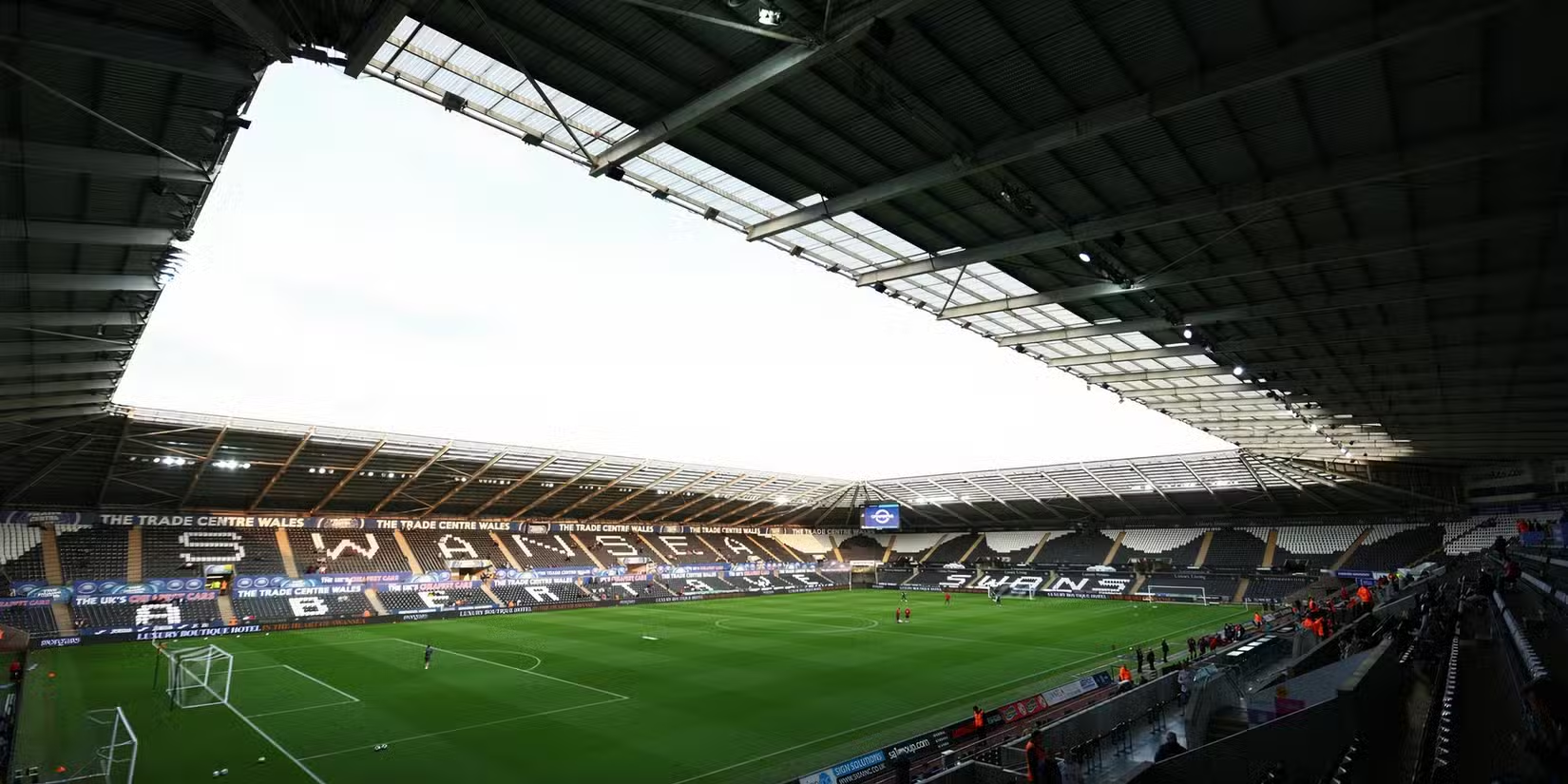
Capacity: 21,088
Reason: Despite being relatively new, it has been criticised for a lack of liveliness. Its mid-tier capacity and decent facilities propel it to the top of the “worst 12”.
It should be noted that many clubs’ longest trips may have an impact on the vibe perception.
Swansea City’s stadium could soon become a tourism destination for anyone looking to meet Luka Modric or Snoop Dogg, the Welsh club’s new investors. But the Swans’ pitch is a clean-looking arena that has previously hosted Premier League football, and there was nothing like witnessing Wilfried Bony or Michu strut their stuff.
Alan Sheehan is charged with improving on his 11th-place result in front of a noisy and proud East Stand, which will be energized by recent investment. Grok brought out a problem with the location, which is not the club’s fault given that they are in another country.
13SToK Racecourse – Wrexham
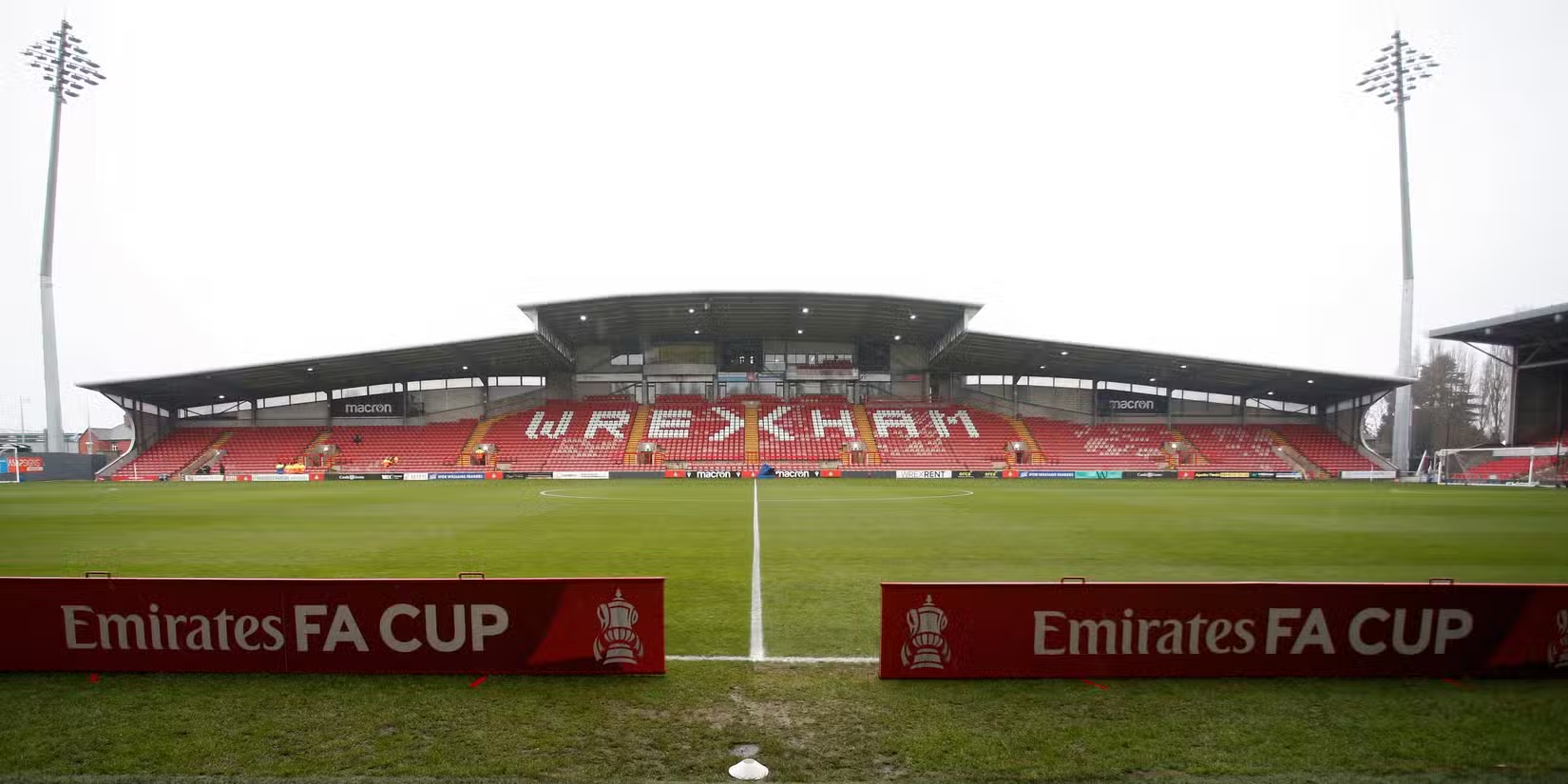
Capacity: 10,771.
Wrexham’s Hollywood-backed growth attracts attention, but its small capacity and inadequate facilities maintain it in the bottom rung. Passionate supporters increase attractiveness.
Confirmed in Championship.
Ryan Reynolds and Rob McElhenney’s entry as Wrexham co-owners has resulted in the club’s most successful time in its history. Three consecutive promotions have been gained, and with them comes a desire for an upgraded stadium given its limited capacity.
Grok admires the Hollywood aspect, but he also acknowledges the need for development, which will be addressed. Reynolds and McElhenney appear to expect to compete in the Premier League shortly, and there are plans to increase the Kop Stand’s capacity to 7,750 and the stadium’s overall capacity to 18,000.
12Ashton Gate – Bristol City
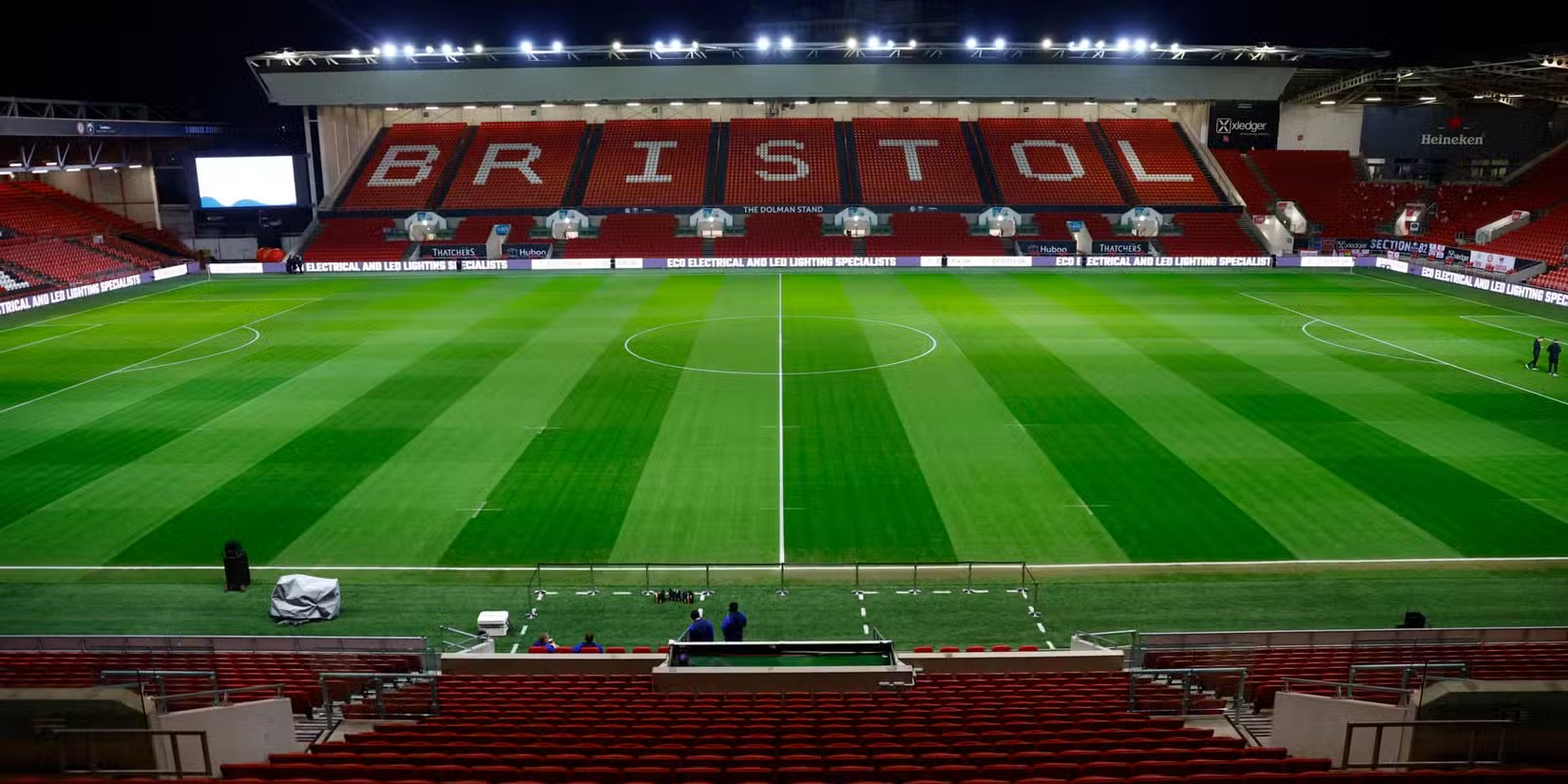
Capacity: 27,000.
Reason: Modernized with a reasonable capacity, it is included in EA SPORTS FC 25 for its atmosphere. Bristol City’s play-off run suggests a lively atmosphere, yet the club lacks top status.
Note: It is located here because to its balanced facilities.
Bristol City’s multi-purpose stadium is one of the best outside of the Premier League, and it deserves to have hosted top-tier football. The Robins are considered England’s “most boring club,” but Grok praised Ashton Gate’s atmosphere.
It’s stuck smack in the middle of the table, which is where City has spent the majority of their time in the Championship. Perhaps new Austrian manager Gerhard Struber will be the one to eventually bring the 27,000-capacity stadium to the big time.
11Carrow Road – Norwich City
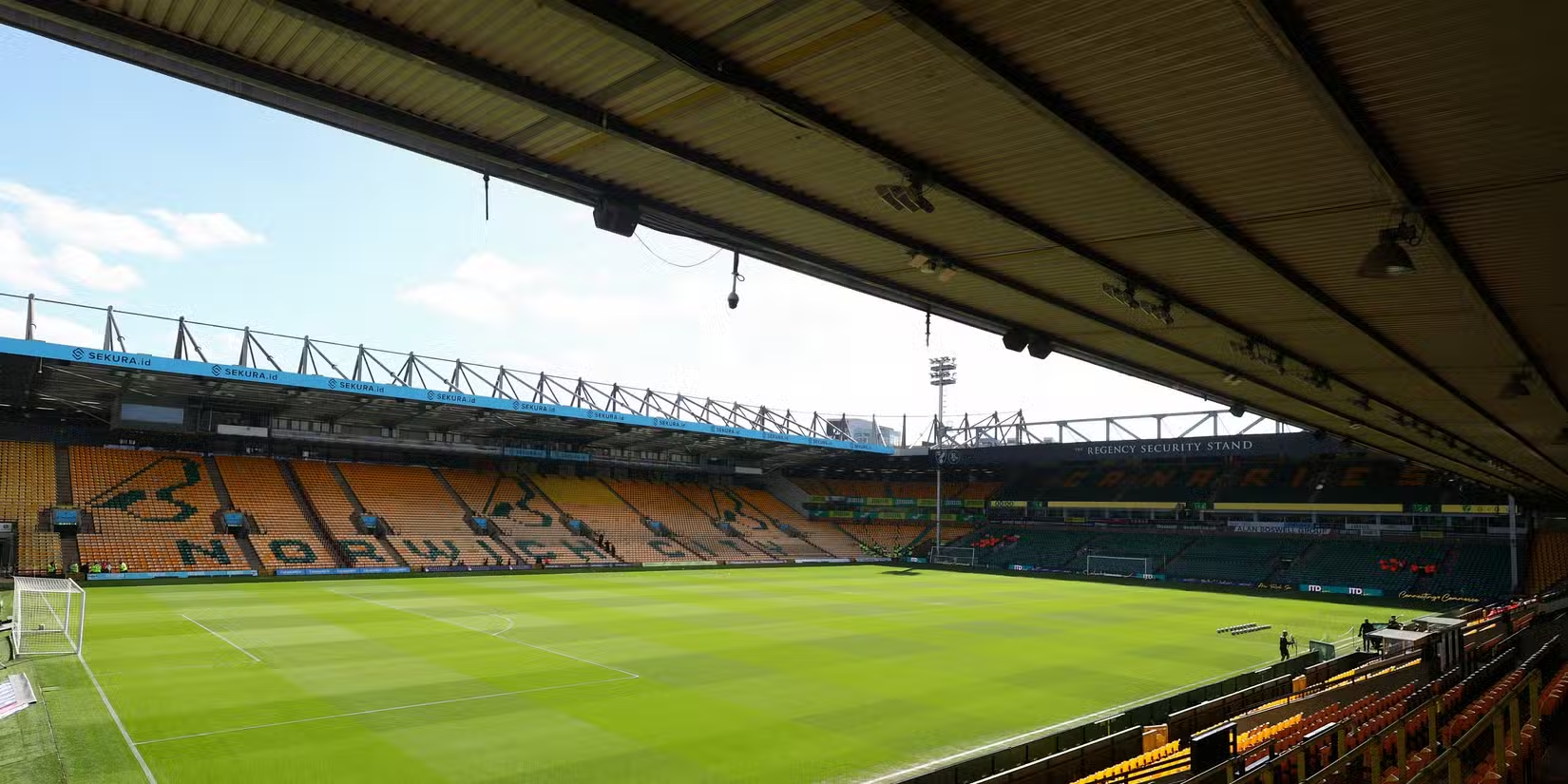
Capacity: 27,244.
Reason: A historic stadium with a devoted fan following, it’s modernized but not a “fortress” like other arenas. Its mid-tier capacity and stable environment position it here.
It is worth noting that Norwich’s presence in the Championship supports this position.
During a 2-2 draw with Manchester City a decade ago, Delia Smith yelled “Let’s be having you” in an attempt to rally the Canaries fans. That is just one of countless classic moments at Carrow Road, where players feel linked because the stands are so close to the pitch.
It’s a nice structure to look at, and the facilities have been updated throughout the years. Despite spending many seasons among the English best, Grok believes it is not Premier League level.
xz