Summary
AI evaluates 20 national fanbases according to passion, travel, chanting, and match environment.
Argentina, Brazil, and other countries are at the top of the list, while smaller nations such as Uruguay and Ghana shine.
Factors include enthusiasm, travel, chants, and noise, as well as rapidly increasing emerging markets such as the United States and South Korea.
It is not easy to rank the 20 top international football team fanbases. It necessitates going into the club-versus-country discussion and determining which nations enjoy the greatest patriotic support, while it can also be influenced by politics and other factors.
Grok, Twitter’s AI engine, claims to have compiled a definitive list of the 20 best fanbases in international football by weighing factors such as passion (unwavering loyalty through wins and losses, and emotional investment), support quality (travel, chants, community backing), and atmosphere.
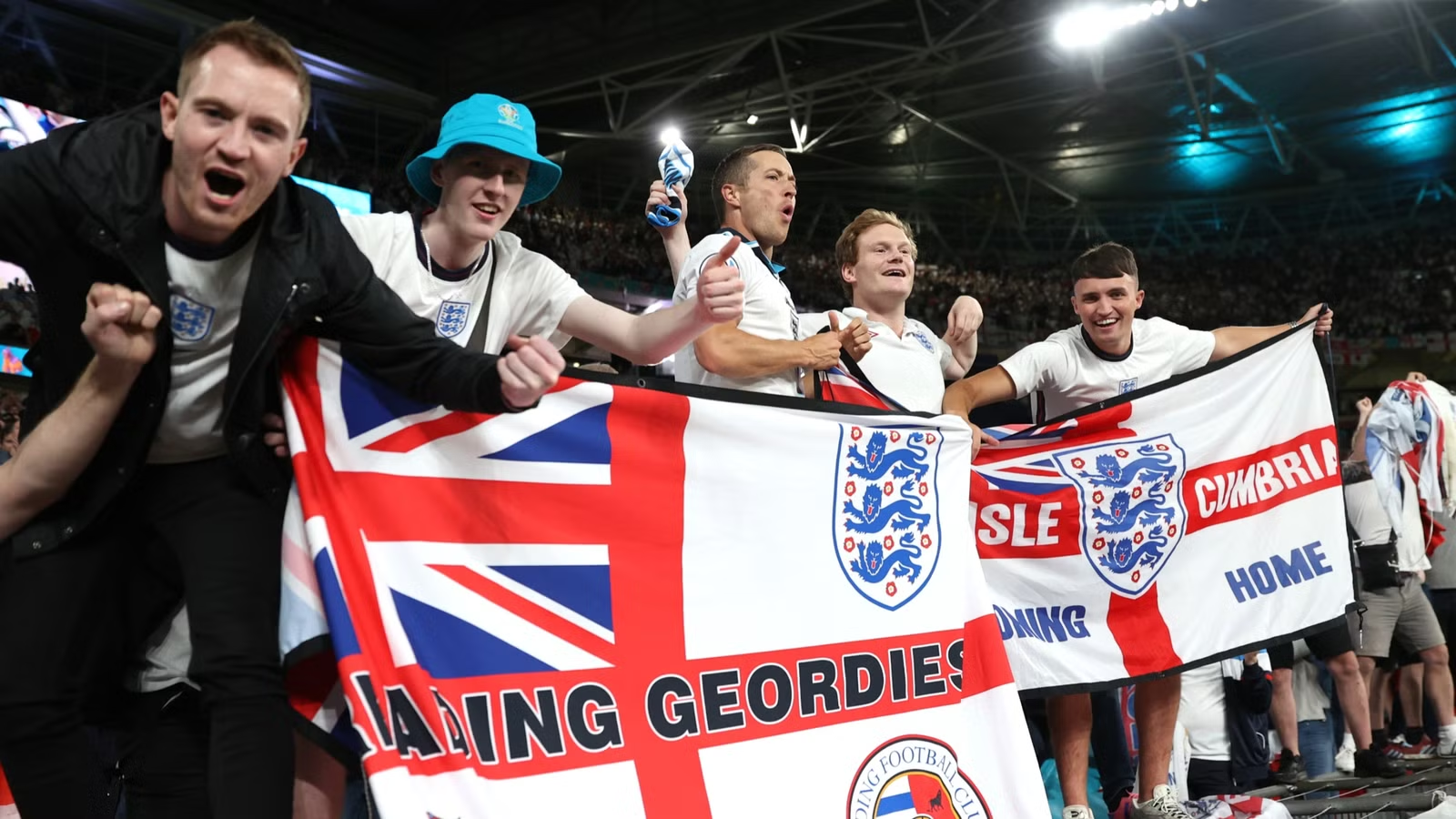
The traditional suspects, South American powerhouses Argentina and Brazil, are at the top, but smaller countries with a strong sense of national pride also make the list, although lacking the past success of the larger teams. Meanwhile, England gets a spot, despite Thomas Tuchel’s previous remark about a “silent” Wembley Stadium following their 3-0 friendly victory over Wales.
20USA
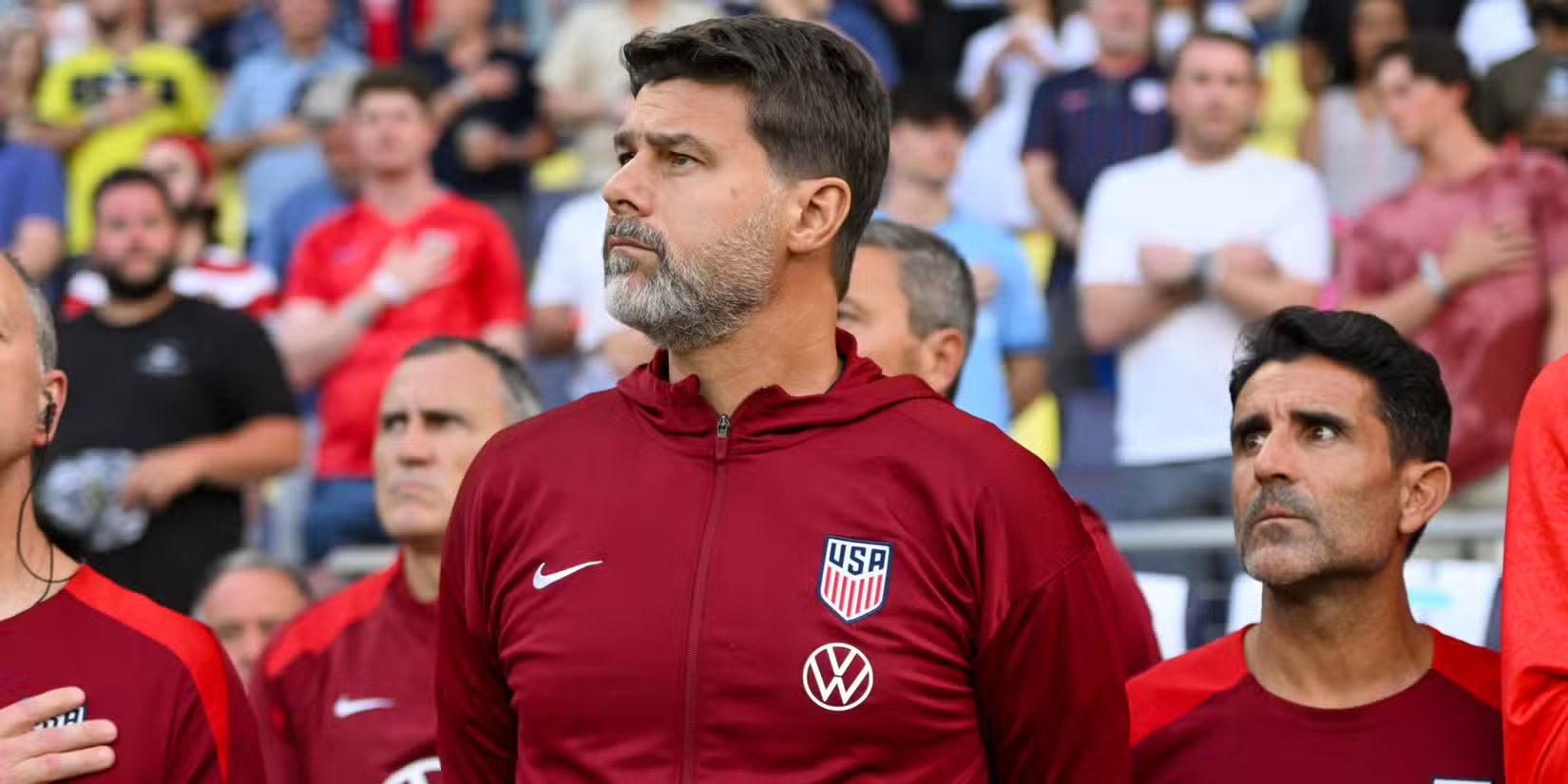
Grok stated, “Growing passion with MLS boom; young fans create vibrant chants and travel well to CONCACAF matches.” The atmosphere is lively but still developing in comparison to veterans; home games are well-attended (60,000+ at World Cup qualifiers, for example).
Football aficionados believe that, despite its size and influence, the United States offers nothing in terms of football mastery. Baseball, basketball and the NFL all rank higher than’soccer’, but as a nation that loves all sports, there are signs that it is on the rise in the United States, and they could prove to be lively hosts at next summer’s World Cup – even if European fans find their chant creation skills a little cheesy.
19The Netherlands
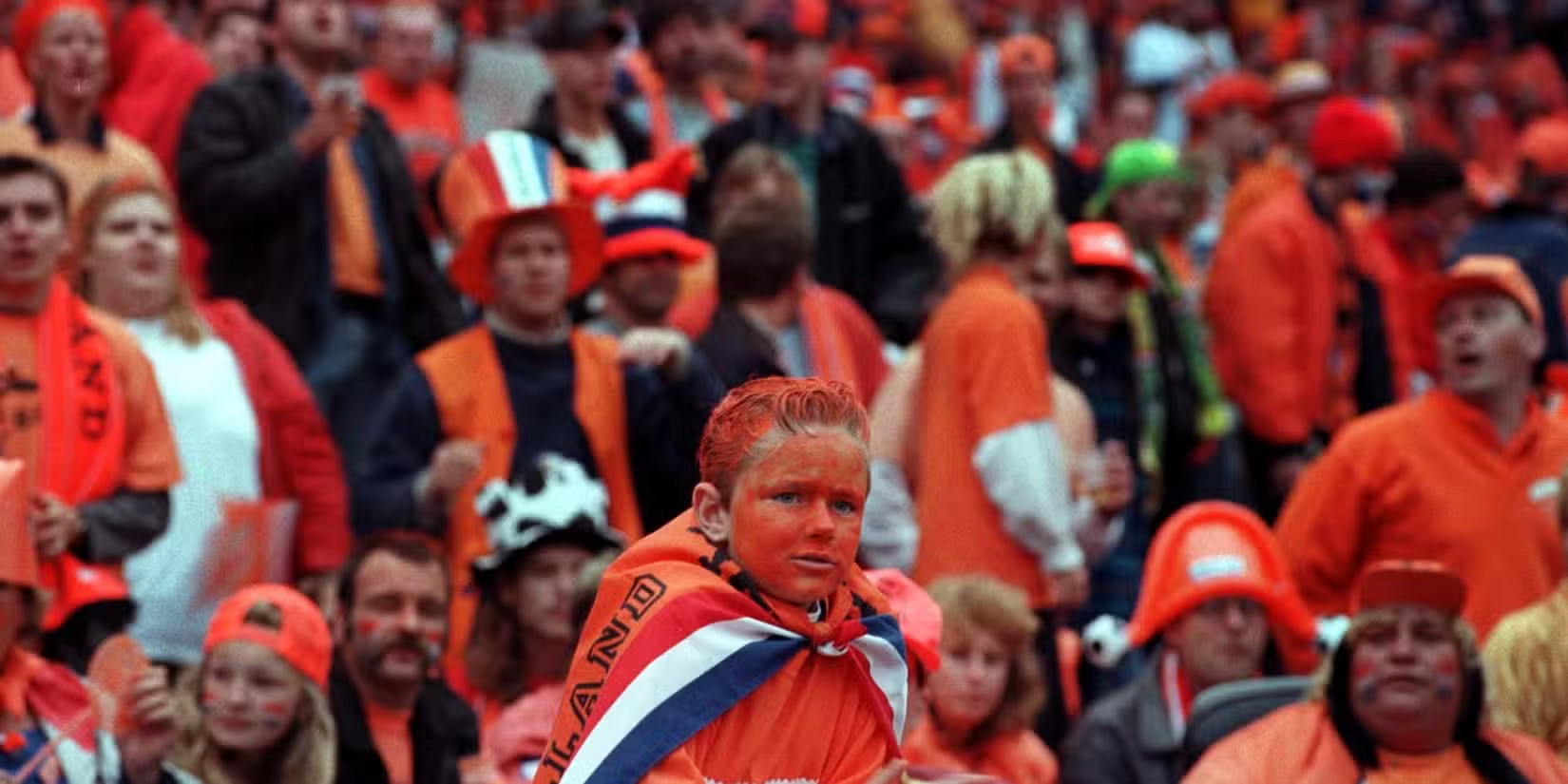
What Grok said: “Colourful, creative displays (oranges everywhere); loyal to the ‘Total Football’ legacy.” Strong away support in Europe, but occasional frustration dampens the intensity; recognised for party-like emotions that enhance morale.”
It seems unfair to the Netherlands to be ranked so low just because of their vibrant culture. Everywhere they go, they proudly don their famed orange and wave the red, blue, and white flag to indicate their presence in droves. The Dutch have always been strong on making themselves known, from how they play to how they display their identity, and it’s easy to tell when they’re in town.
Their iconic Kings Day (Koninsdag) dance and song became a popular element of Euro 2024, and with Liverpool adopting a similar cry for Arne Slot at the start of the 2025/26 season, it’s incredible that the small low-country nation’s devotion is still beneath the spotlight.
18Portugal
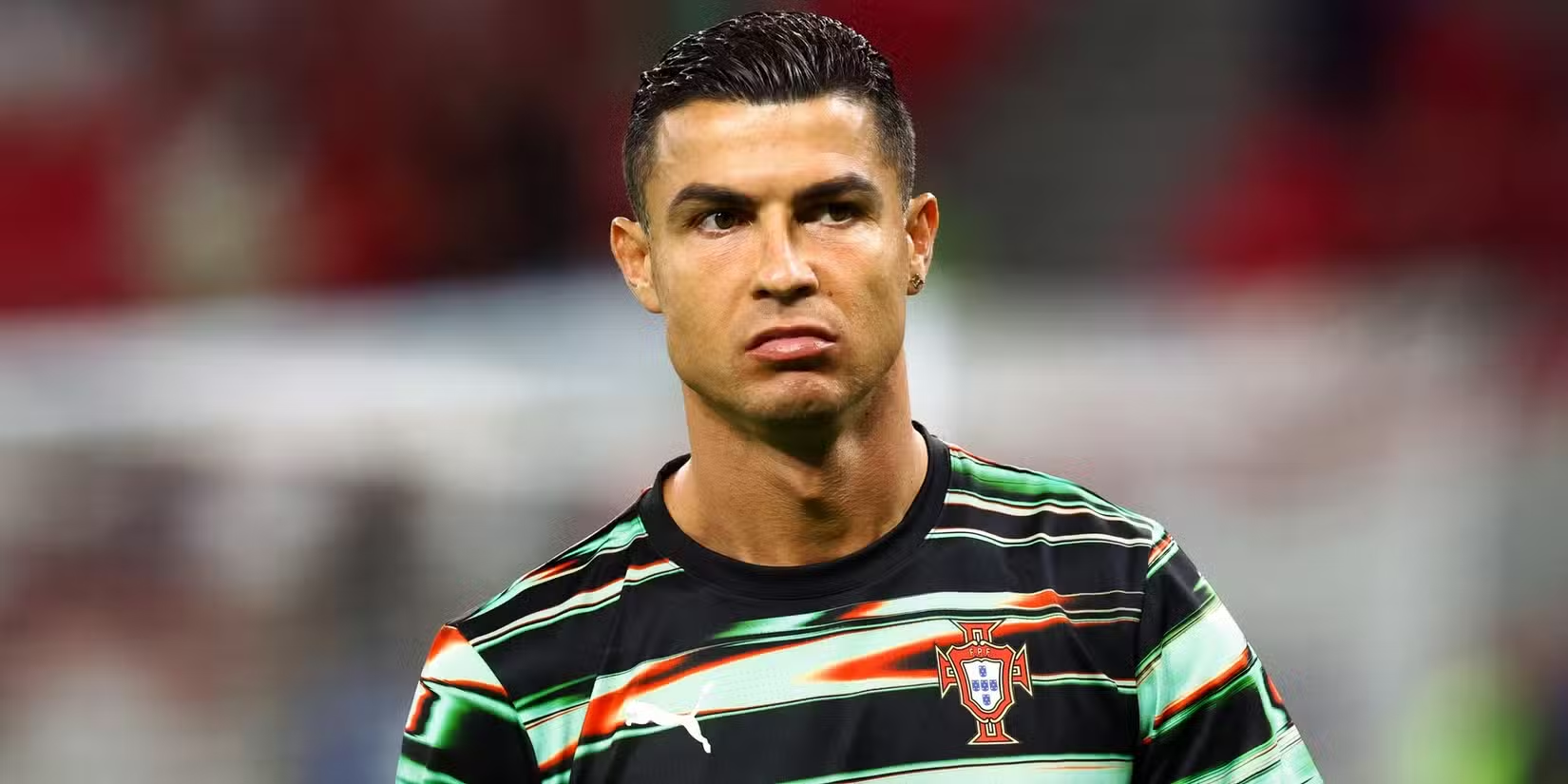
What Grok said: “Ronaldo-fueled passion; fans travel in droves to Euros/World Cups, singing nonstop. Passionate but critical; the atmosphere is electrifying in the Lisbon qualifications, with considerable social media interaction.”
The AI appears to infer that the craze surrounding Cristiano Ronaldo is the primary reason Portugal fans are so popular. But it would be a disservice, for the Iberian nation’s love of football goes much beyond one, albeit otherworldly, great.
This was clear in the affection shown to Diogo Jota and his brother Andre Silva, whose terrible deaths provoked an emotional outpouring in the spectators, demonstrating Portugal’s support for each of its players as they remain a dark horse compared to neighbours Spain.
17Spain
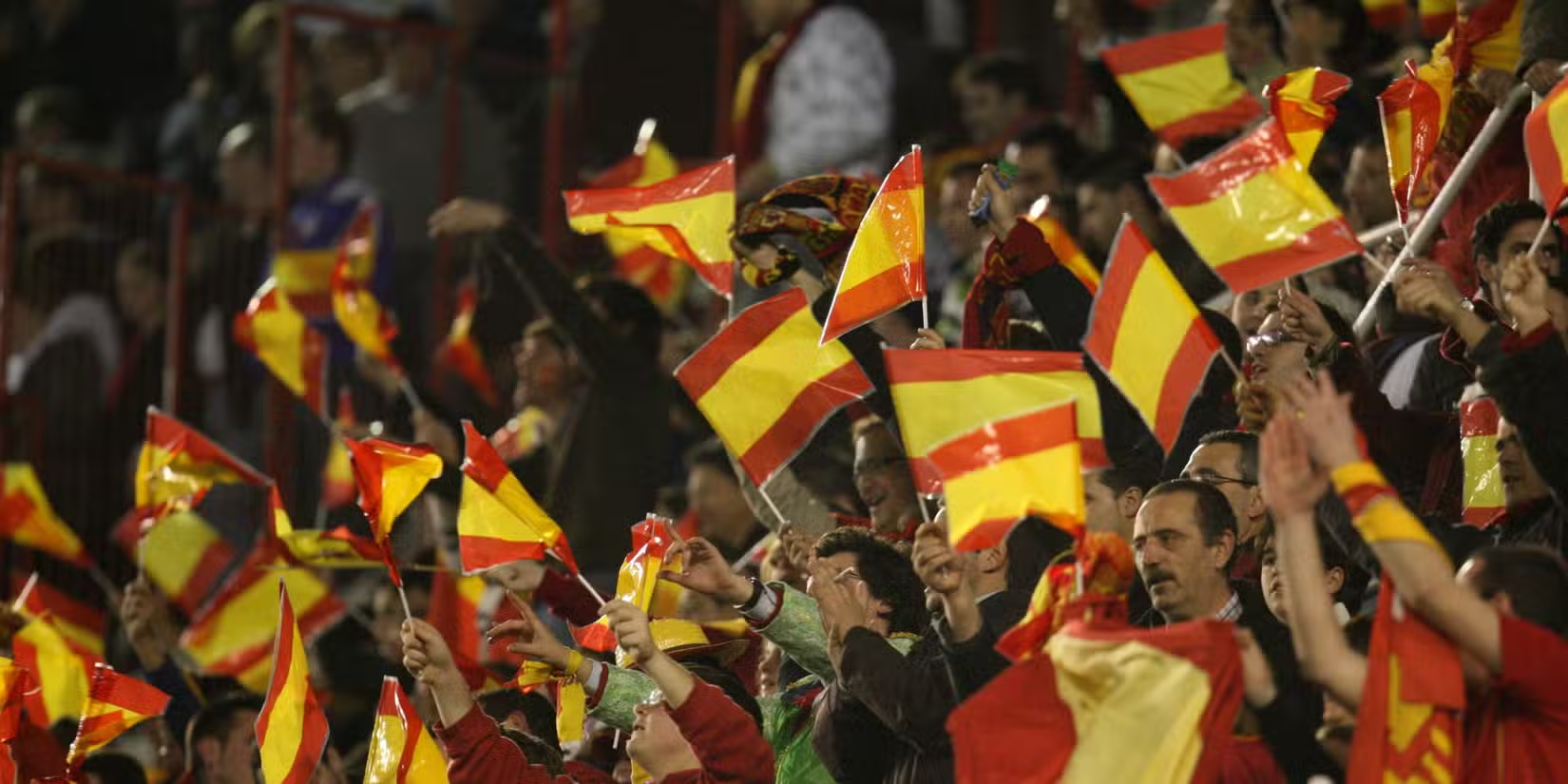
Grok stated: “Tactical passion from the tiki-taka era; unified roars during 2010s dominance.” Excellent support in major events, but domestic club rivalries sometimes divert attention; Camp Nou/ Bernabeu internationals feel like festivals.
Spain can occasionally battle with its identity, with the Catalan area feeling isolated from the rest of the country. Still, success breeds a feel-good factor, and the fact that La Roja has won more European Championships than any other nation – their fourth last summer, as well as three major international tournaments in a row between 2008 and 2012 – means they enter every competition with a buzz, creating an atmosphere that only adds to their confidence.
16Germany
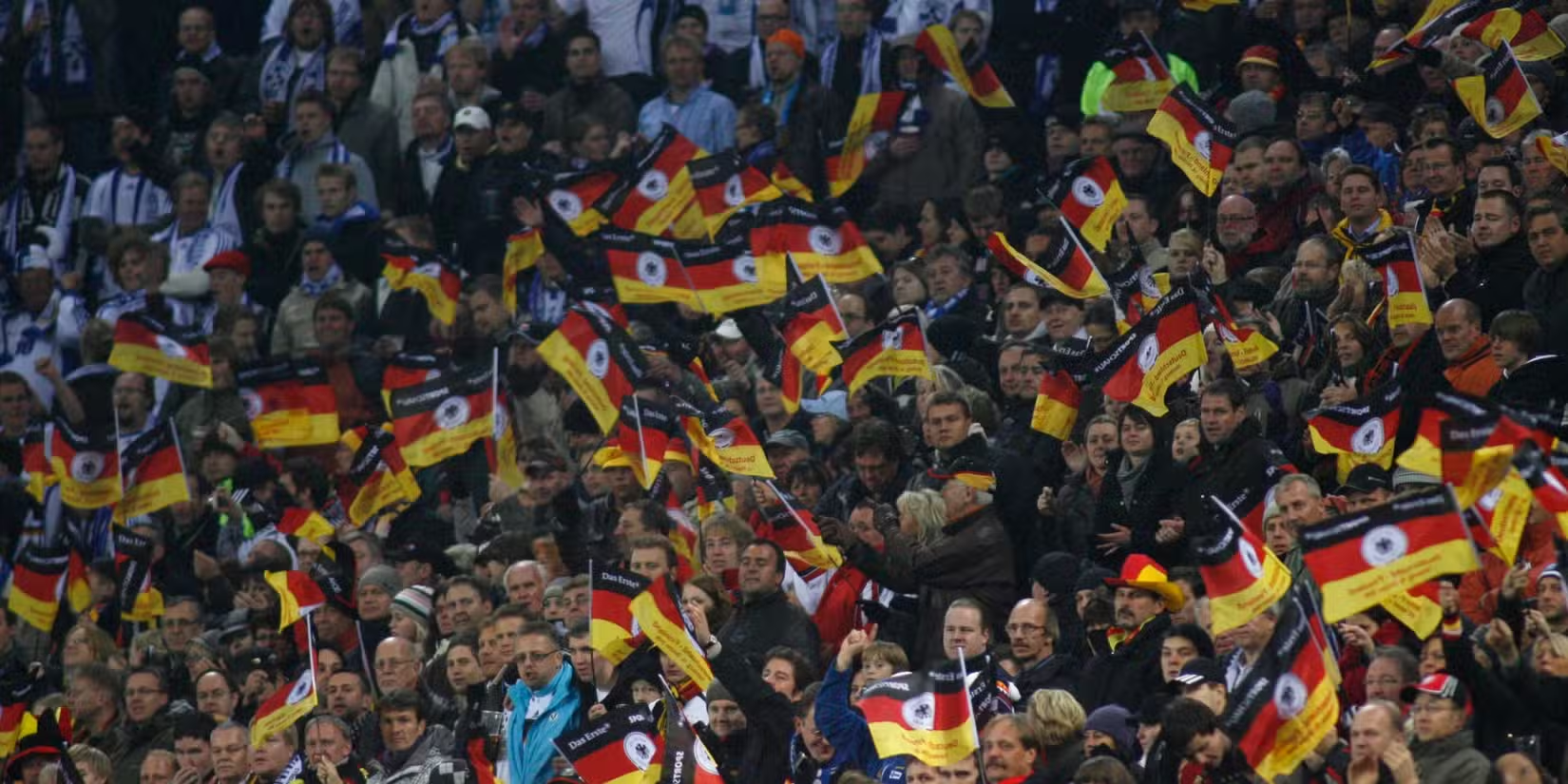
Grok stated, “Disciplined loyalty; massive turnouts (80,000+ at Allianz Arena for friendlies).” Fans make consistent, thundering noise without pyrotechnics; Allianz Arena’s “white wall” feel transcends to national games.”
Germany lives and dies by the belief that the fan is the most important component of any club in the country, with the 50+1 ownership law providing supporters as much influence in a club’s day-to-day operations as the owners themselves. This green link between spectators, players, rulemakers, and those in control also plays an important role in international football, and that sense of community contributes to some of the best atmospheres.
It doesn’t hurt that they get to play in wonderful, sound-absorbing venues like Borussia Dortmund’s Signal Iduna Park, one of the best in football.
15Colombia
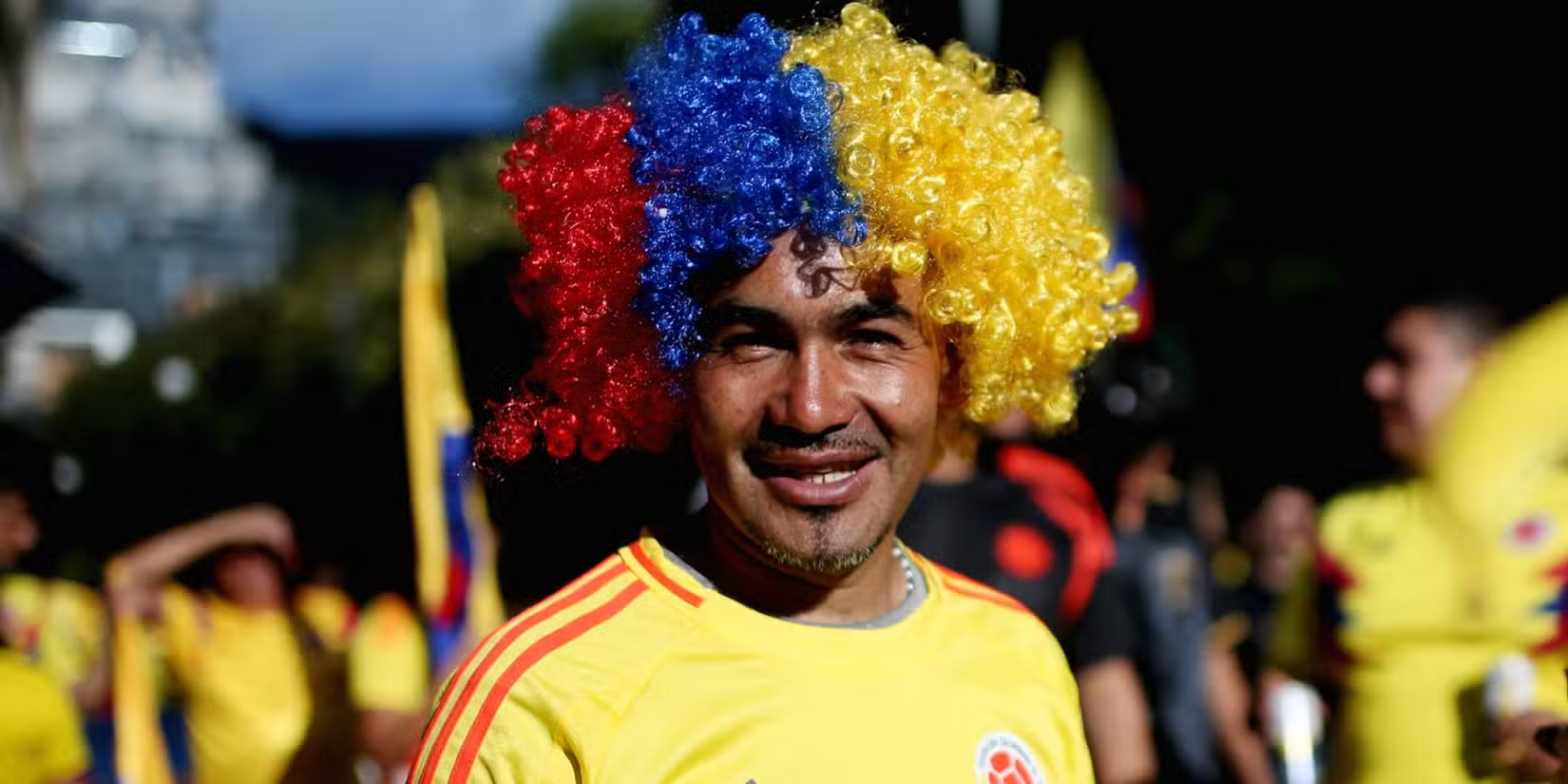
Grok described the CONMEBOL qualifiers as dominated by James Rodríguez-inspired fervour, rhythmic drumming, and flags. Passionate journey to away games; great energy in Barranquilla, where heat and humidity heighten the cauldron experience.”
Colombian fans add a carnivalesque vibe to the beautiful game. While the atmosphere at the Estadio Metropolitano Roberto Melendez isn’t scary, it is undoubtedly loud and energetic. Fans dress up, sing, dance, and leap in tandem, making the on-field activity feel like a sideshow to the festivity in the stands.
14Italy
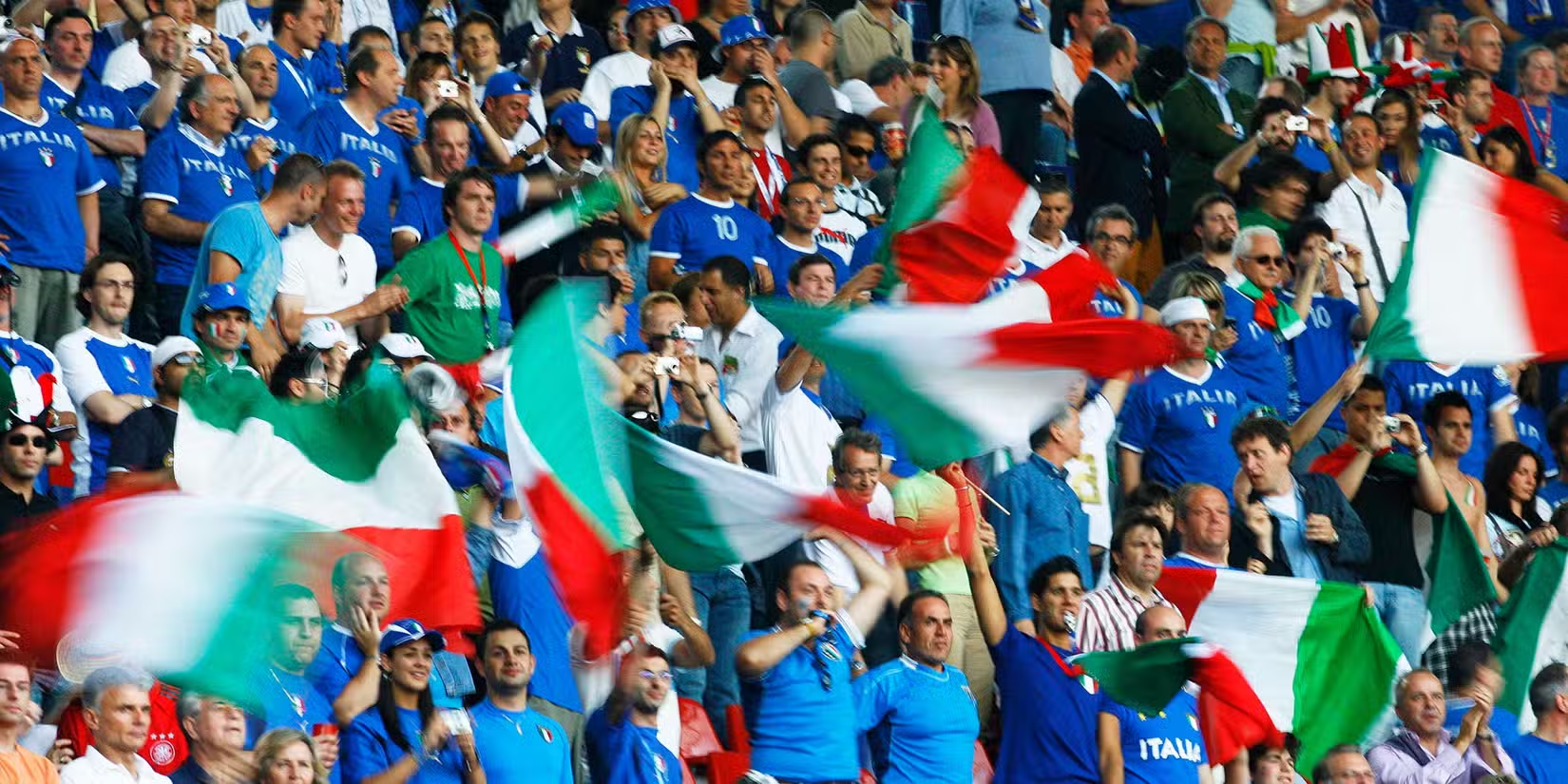
Grok stated, “Azzurri die-hards with operatic chants; resilient through scandals. “World Cup 2006 unity demonstrated depth; San Siro internationals provide tactical intensity and family-like support.”
AC Milan, Inter, Napoli, and Juventus exemplify how important football is to Italy, with ultra groups setting the tone for a continent that lives on scary tifos and pyro displays. While football on the pitch is frequently hailed as an art form in calcio, with defending seen as a masterpiece, the incessant cacophony off the pitch demonstrates that it is far more than that.
13South Korea
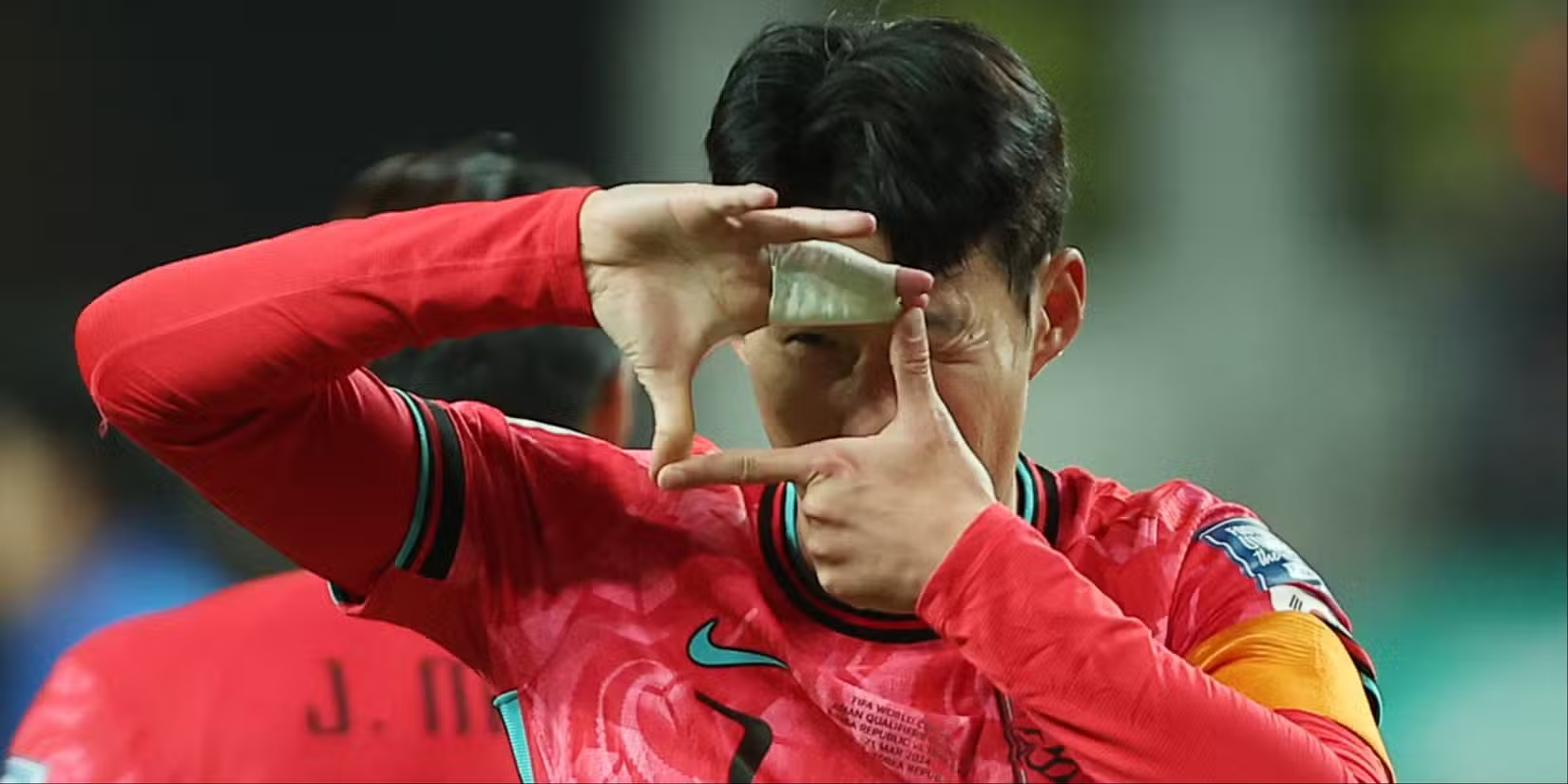
Grok stated, “Red Devils’ organised waves and K-pop cheers; massive home crowds (e.g., 66,000 at Seoul World Cup Stadium).” Passion rises in the Asia Cup; fans’ endurance (e.g., 2002 co-hosting) generates nonstop energy.”
South Korean supporters do not provide the same level of unbridled anarchy as some of the other nations mentioned in this article. What they do provide, possibly better than anybody else, is a disciplined support system that certainly draws attention during large international games. Life in the simple East Asian nation is based on hard work and a sense of structure, and their displays in the stands closely resemble this precise order, almost as if they were trained in military.
As the AI correctly observes, once a nation develops a passion for something, it is unlikely that it will abandon it. K-Pop is a classic example, as is Son Heung-min, who rose to celebrity status through his football abilities. This preoccupation serves as the cornerstone for South Korean passion.
12Egypt
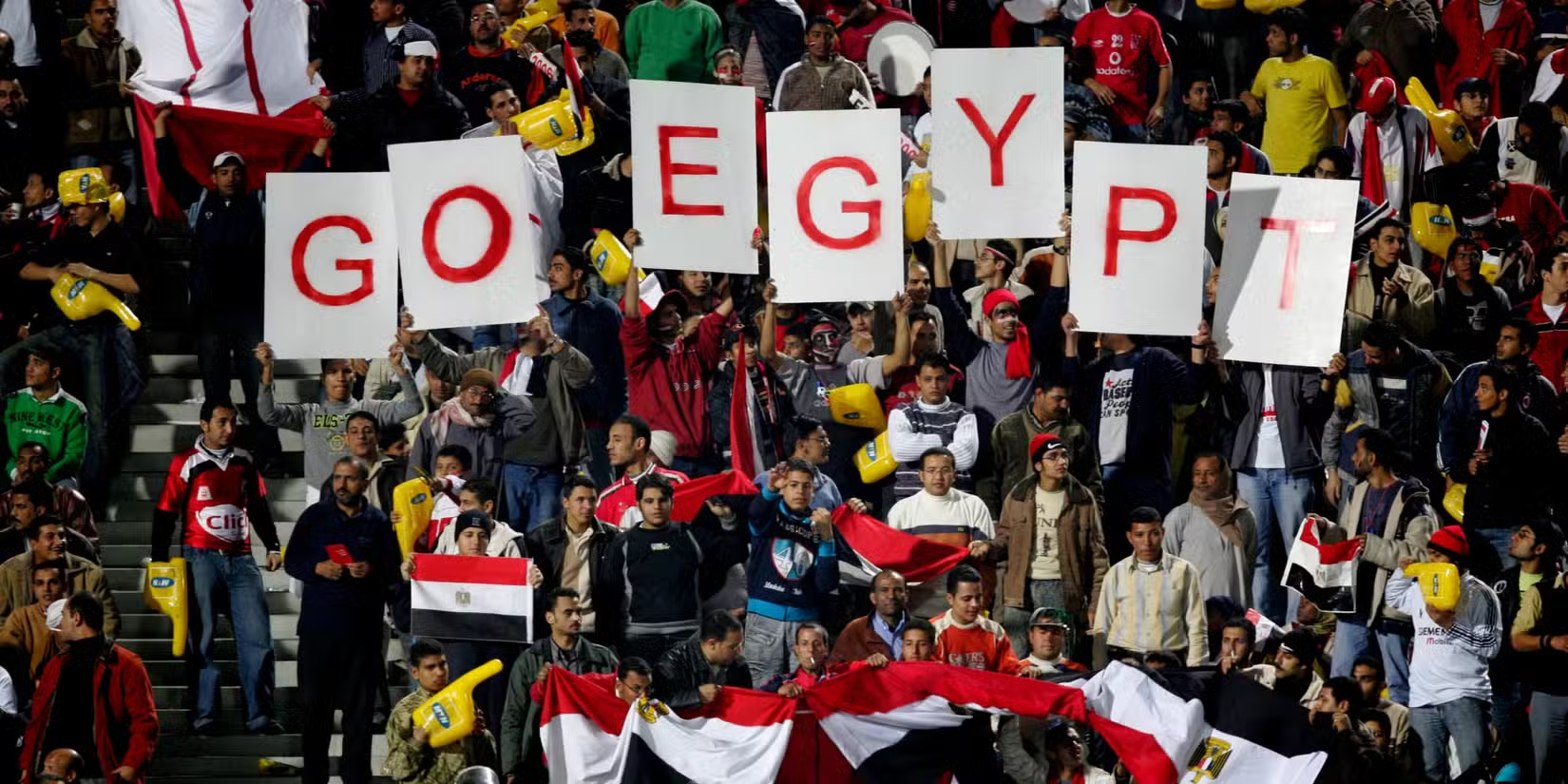
Grok stated: “Pharaohs’ ultras bring African heat; flares and drums at Cairo International (75,000 capacity) make AFCON qualifiers deafening.” Unwavering despite near misses; enthusiasm rivals club levels such as Al Ahly.”
Speaking of obsession, Egypt’s passion for Mohamed Salah is so strong that in the 2018 election, Liverpool’s “Egyptian King” finished second, despite not being on the ballot. This, paired with the fact that Egypt is Africa’s most successful national team and has one of football’s most decorated clubs, Al Ahly, gives them a strong contender for best supporters.
The Cairo Derby is also regarded as one of football’s most intense rivalries, reflecting a population that adores the sport.
xz