FIFA has been testing new purple and blue cards for the first time at the FIFA Under-20 World Cup, with a purple card being used in Morocco’s 2-0 victory against Spain this week. Yellow and red cards have long been part of football, but the sight of a purple card seemed strange to spectators everywhere.
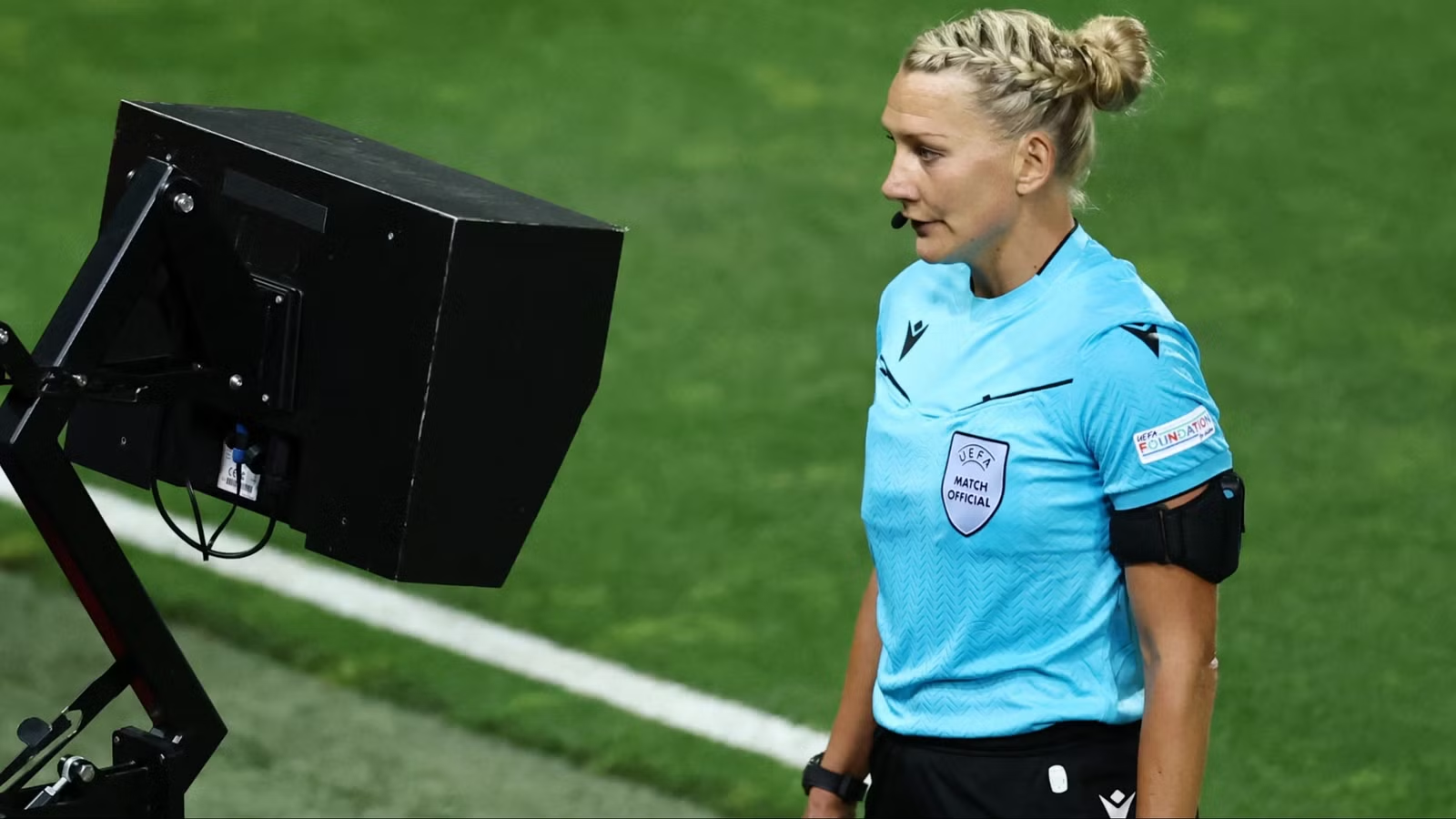
The fact that the card was prepared by someone other than an official added to the intrigue. In the 77th minute, when a Spanish player went down in the box, Morocco’s head coach Mohamed Ouahbi raised a purple card, leading the referee to go to the pitchside monitor and review the situation with VAR.
FIFA claims the approach is intended to increase impartiality and reduce refereeing problems. A similar breakthrough occurred in January 2023, when the first white card in football history was shown during a women’s match in Portugal, as part of the country’s FA campaign to promote fair play and “improve the ethical value of the sport.” But what does a purple or blue card represent?
What Are Purple and Blue Cards Used For in Football?
The idea behind the ‘green card’ (its official name, though different competitions use different colours, such as the Under-20 World Cup using purple or blue) is to give head coaches the opportunity to challenge refereeing decisions and request VAR reviews – or Football Video Support (FVS) reviews in some tournaments – with a limit of two appeals per match.
When a manager wants to contest a referee’s decision, he or she might show a green card, forcing the official to look at the pitchside monitor again. The challenge system is similar to circumstances seen in American football, basketball, cricket, and tennis, and it allows officials to review the occurrence again. Watch FIFA’s explanation of FVS below.
FVS has already been used in around 200 matches in Italy’s third tier, Serie C. Meanwhile, the method is being tested in Brazil, with testing taking place in the Copa Paulista (Sao Paulo state cup) and the Copa do Brasil Feminina. All of this indicates to the project’s early success.
“FVS is a tool that helps referees in competitions with limited resources and cameras. “It should not be considered VAR or a modified version of it because it does not include video match officials monitoring every incident,” stated Pierluigi Collina, chairman of the FIFA Referees Committee. “We’re very encouraged by the first results and look forward to helping our Member Associations benefit from this technology,”
Referees will still be urged to review the monitor for ‘clear and apparent’ errors including goals, penalties, and red cards, as they do now under VAR, but this new method aims to offer head coaches more control over decisions made during a game.
xz